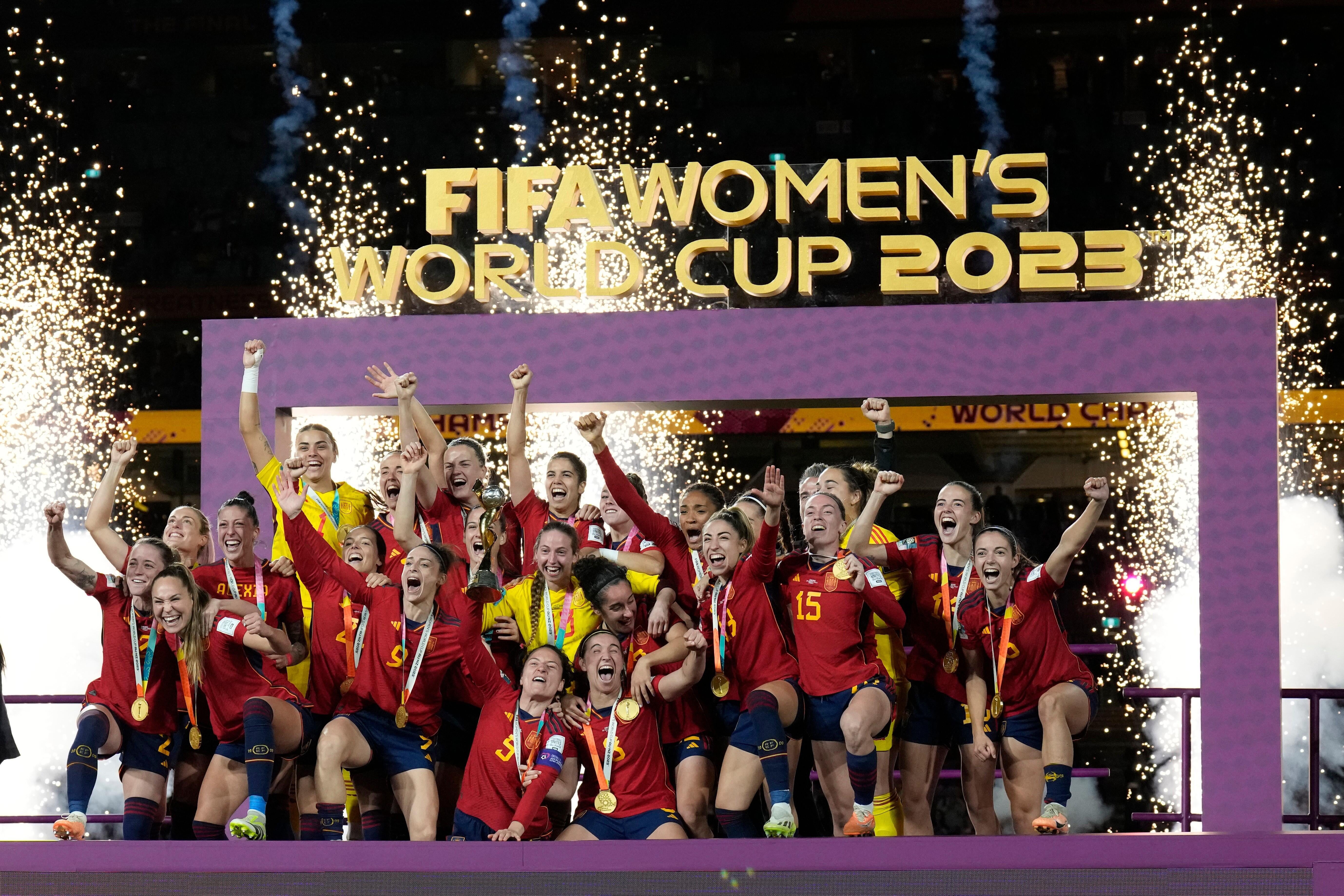
In a decisive move that underscores the growing commercial and cultural weight of women's football, FIFA has confirmed that the United States will serve as the host nation for the 2031 Women's World Cup. The announcement follows a rigorous bidding process and reflects the governing body's strategic intent to leverage the massive market potential of North America. By selecting the US for the 2031 cycle, FIFA is effectively doubling down on a market that has proven its ability to deliver record-breaking attendance figures and television viewership, as seen in recent continental tournaments.
Geographically, the decision positions the tournament to utilize the extensive network of modern stadiums and urban infrastructure across the United States. While specific host cities have not yet been detailed in the initial announcement, the scale of the US bid suggests a distributed model that will likely span multiple metropolitan areas. This approach aligns with the logistical frameworks established in recent years, allowing for broader domestic engagement and minimizing the travel burden on both teams and fans compared to single-city or regional models.
The confirmation of the 2031 host was accompanied by the selection of a UK-led project for the 2035 edition, with England taking the lead in that proposal. This dual award signals a deliberate strategy by FIFA to maintain a strong presence in both the Americas and Europe, ensuring that the sport remains accessible to its largest global fanbases. Stakeholders within the US soccer ecosystem have noted that this long-term commitment provides stability for planning, allowing for sustained investment in player development, grassroots programs, and high-performance facilities in anticipation of the global showcase.
In-Depth Analysis & Key Details
The decision to award the 2031 tournament to the United States is rooted in the historical trajectory of women's football, which has seen a dramatic shift in commercial viability over the past two decades. The sport has moved from a niche interest to a mainstream entertainment product, driven by increased media rights deals and corporate sponsorship. The US market, in particular, has become the primary driver of this growth, with domestic leagues and national team performances consistently drawing higher viewership numbers than in many traditional footballing nations. This structural shift has made the US an indispensable partner for FIFA in its efforts to maximize the economic return of the women's game.
From a regulatory and economic perspective, the selection of the US and the UK for consecutive major cycles highlights the tension between maintaining global diversity in hosting rights and pursuing maximum commercial yield. While FIFA has traditionally sought to rotate tournaments across different continents to foster global growth, the concentration of the 2031 and 2035 events in two major markets suggests a pragmatic approach to risk management. Industry analysts observe that this strategy reduces logistical complexities and leverages existing infrastructure, potentially leading to higher profit margins for the governing body. However, this focus also raises questions about the long-term development of women's football in other regions, which may struggle to compete for future hosting rights against such established markets.
The technical and operational implications of hosting the 2031 World Cup in the US are substantial. The scale of the tournament, with its expanded format and high-profile matches, will require a coordinated effort among federal, state, and local governments to ensure security, transportation, and accommodation. This level of complexity demands a high degree of institutional coordination and public-private partnership. Furthermore, the success of the 2031 tournament will likely set the precedent for future events, influencing how FIFA structures its bidding processes and evaluates the readiness of potential host nations. The emphasis on sustainability and social impact will be critical, as stakeholders increasingly demand that major sporting events deliver tangible benefits to local communities beyond the duration of the competition.
"The 2031 selection is not merely a hosting right; it is a validation of the United States' position as the commercial and cultural epicenter of modern women's football, setting a new standard for global tournament execution."
Why This Matters & What Lies Ahead
For everyday consumers and fans, the 2031 Women's World Cup in the United States represents a unique opportunity to witness the pinnacle of women's football in a domestic setting. The event is expected to drive significant economic activity, including tourism, hospitality, and retail, particularly in the host cities. For fans, the accessibility of the tournament means lower travel costs and greater convenience, potentially leading to higher attendance rates and a more vibrant match-day atmosphere. The event will also serve as a catalyst for increased media coverage and public interest in women's football, further normalizing the sport and inspiring the next generation of athletes and fans.
Looking ahead, key milestones to monitor include the finalization of host city selections, the announcement of stadium upgrade plans, and the release of the tournament schedule. Regulatory bodies and local governments will need to address issues related to infrastructure development, public safety, and environmental impact. Additionally, the success of the 2031 tournament will be closely watched as it could influence future bidding processes and the allocation of resources within the US soccer ecosystem. Stakeholders should also pay attention to the development of the 2035 UK bid, as the lessons learned from the 2031 event will likely shape the approach and expectations for the next major cycle.
Source: Reported by CBS News · Analyzed & Synthesized by DNB Newsroom