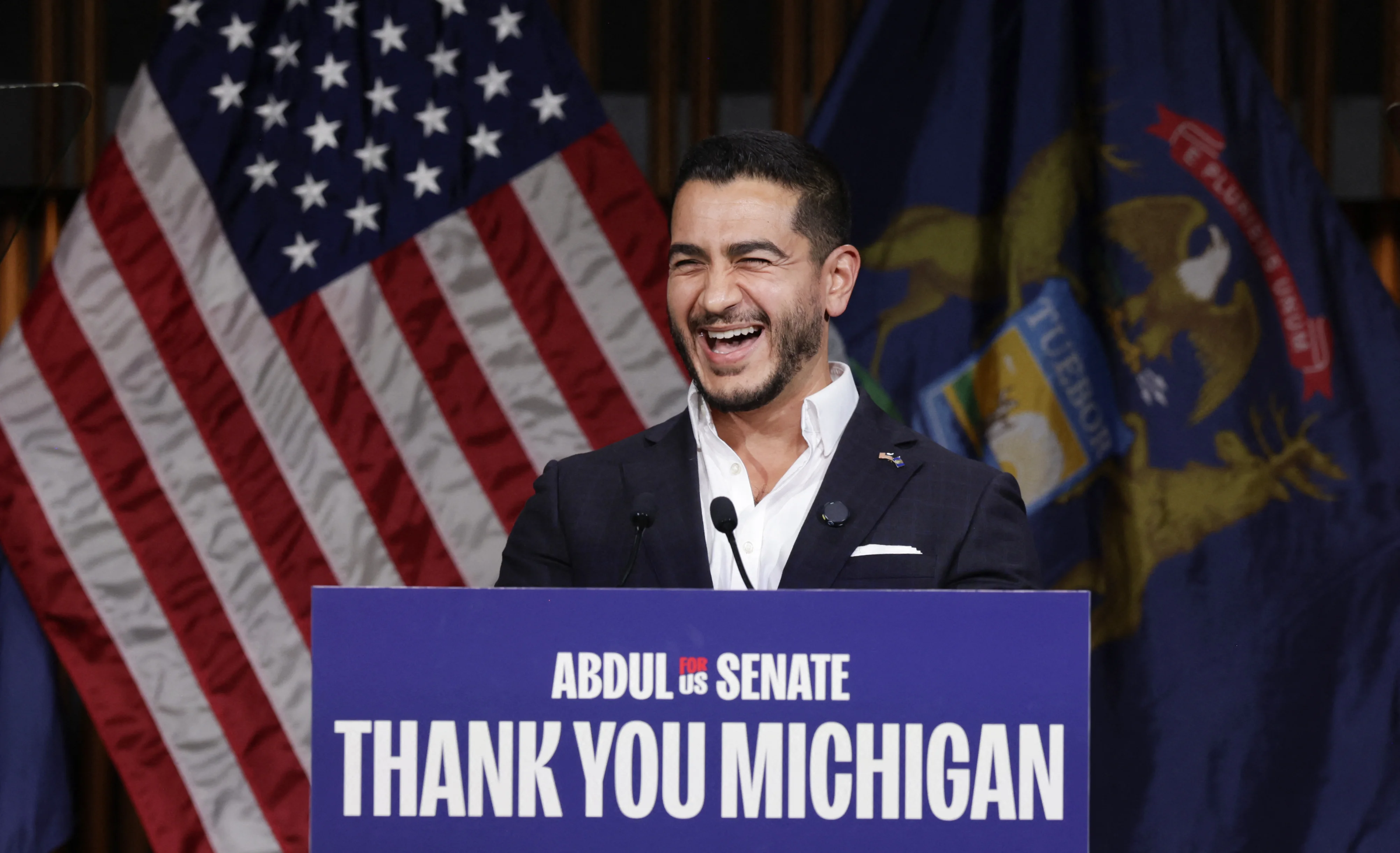
The Senate’s Democratic caucus entered the new session with a pronounced focus on health reform, as three first‑term senators from Michigan, Colorado and Virginia announced plans to draft a comprehensive Medicare‑for‑All bill. Their initiative follows a coordinated outreach effort by progressive advocacy groups that secured endorsements from more than 200 local health‑care coalitions across the country.
The legislative push is centered on Washington, D.C., but its ramifications stretch to state Medicaid programs and private insurers that collectively account for roughly 60 percent of national health‑care spending. Early drafts propose expanding the existing Medicare trust fund to cover all residents, eliminating most out‑of‑pocket costs, and negotiating drug prices at the federal level.
Senate Majority Leader Chuck Schumer, while not committing to a vote, acknowledged the growing pressure, stating that “the conversation about universal coverage is no longer a fringe idea but a central policy question for the party.” Health‑care trade unions and patient advocacy organizations have welcomed the development, whereas the American Hospital Association cautioned that abrupt financing changes could destabilize hospital cash flows.
In-Depth Analysis & Key Details
The current resurgence of Medicare‑for‑All must be viewed against a backdrop of two decades of incremental health‑care reform, from the 2010 Affordable Care Act to recent attempts to lower prescription‑drug costs. Historically, single‑payer proposals have stalled due to concerns over federal budget deficits and the entrenched influence of private insurers. However, the post‑pandemic fiscal environment, characterized by elevated federal borrowing capacity and heightened public awareness of health‑care gaps, creates a more conducive climate for bold proposals.
Policy analysts note that the Democratic Party’s internal calculus has shifted; the 2022 midterm losses underscored the electoral risk of ignoring health‑care affordability, prompting a strategic pivot toward universal coverage as a unifying platform. Meanwhile, Republican lawmakers continue to frame the plan as a tax hike, projecting an average increase of $2,500 per household, a claim contested by the Congressional Budget Office’s preliminary estimates that suggest a modest net fiscal impact when accounting for reduced administrative overhead.
Industry observers point out that the bill’s design will hinge on the mechanics of financing—whether through payroll taxes, income‑based contributions, or a combination thereof—and on the ability to negotiate drug prices without violating international trade agreements. The interplay between federal authority and state Medicaid expansions will also shape implementation pathways, as states that have already broadened eligibility may serve as testing grounds for the nationwide model.
"The Senate’s newfound willingness to entertain a single‑payer blueprint signals a watershed moment where political feasibility meets longstanding public demand for universal health coverage."
Why This Matters & What Lies Ahead
For ordinary Americans, the passage of a Medicare‑for‑All law could eliminate most premiums, deductibles and co‑pays, directly reducing out‑of‑pocket spending that currently consumes an average of $1,200 per household annually. Small‑business owners, who often shoulder the cost of employee health plans, could redirect funds toward wages or expansion, potentially stimulating local economies. Moreover, a unified purchasing power could drive down drug prices, lowering the national pharmaceutical spend that now exceeds $500 billion each year.
Legislators, regulators and industry stakeholders will be watching a series of upcoming milestones: the Senate HELP Committee is slated to hold its first hearing on the proposal in February, followed by a Finance Committee markup in March. The White House is expected to release an executive statement on health‑care reform by the end of the month, and the House of Representatives has signaled a possible bipartisan working group to assess fiscal implications. These events will shape the trajectory of the bill as it moves toward a potential floor vote before the August recess.
Source: Reported by NPR · Analyzed & Synthesized by DNB Newsroom