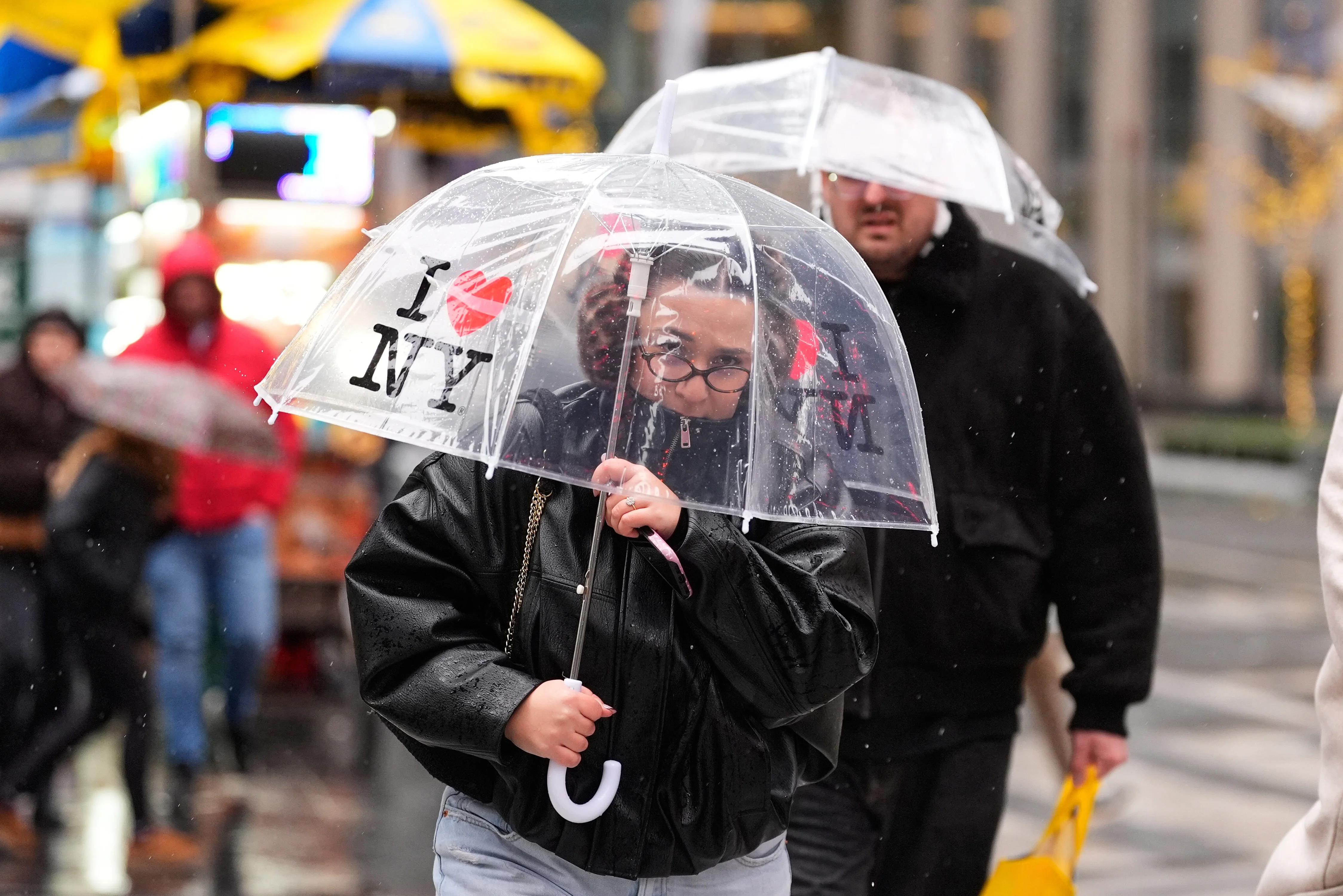
A powerful low‑pressure system is poised to strike the East Coast, threatening to derail Thanksgiving travel for millions of Americans. The National Weather Service has issued a coastal flooding warning for the New England and Mid‑Atlantic regions, citing rainfall totals that could exceed 6 inches in some areas.
Travel industry officials warn that the storm’s timing—coinciding with the busiest holiday travel window—could trigger a surge in flight and rail cancellations, straining infrastructure and causing significant economic losses for carriers and tourism boards.
In a separate legal battle, a federal judge in Washington, D.C., ruled that the FCC cannot punish ABC for a satirical segment that lampooned President Trump. The decision follows an FCC complaint alleging that the broadcast violated the agency’s content standards, a claim the network denied. ABC’s legal team celebrated the ruling as a victory for free speech, while the FCC is expected to appeal.
In-Depth Analysis & Key Details
The FCC’s attempt to regulate ABC’s satire reflects a broader trend of regulatory bodies grappling with the evolving landscape of broadcast media, where political commentary increasingly blurs the line between news and entertainment. Historically, the FCC has wielded broad authority to enforce decency standards, but recent court rulings have tightened the scope of permissible intervention.
The case pits the FCC’s mandate to uphold public interest against the First Amendment’s protection of expressive content. Industry analysts observe that the ruling may embolden broadcasters to push creative boundaries, but also raises questions about the agency’s future enforcement priorities. Regulatory filings indicate that the FCC has faced criticism for perceived political bias, prompting calls for clearer guidelines.
From a technical standpoint, the satirical segment’s format—combining scripted jokes with real‑time commentary—poses challenges for content classification. Aviation safety advocates note that while satire can influence public perception, it rarely impacts operational safety. Nonetheless, the FCC’s scrutiny of such content underscores the complex interplay between media freedom and regulatory oversight.
"The FCC’s actions risk chilling legitimate satire, undermining the First Amendment."
Why This Matters & What Lies Ahead
For everyday readers, the storm threatens to disrupt travel plans, potentially causing missed flights, delayed deliveries, and heightened safety risks along vulnerable coastlines. The economic ripple effect could reach the hospitality and retail sectors, with projected losses estimated in the hundreds of millions of dollars.
Looking ahead, the FCC’s appeal is scheduled for oral arguments in early December, while the weather system’s trajectory will be closely monitored by the National Oceanic and Atmospheric Administration. Travelers should stay informed through official advisories, and broadcasters must navigate the fine line between creative expression and regulatory compliance as the holiday season unfolds.
Source: Reported by NPR · Analyzed & Synthesized by DNB Newsroom