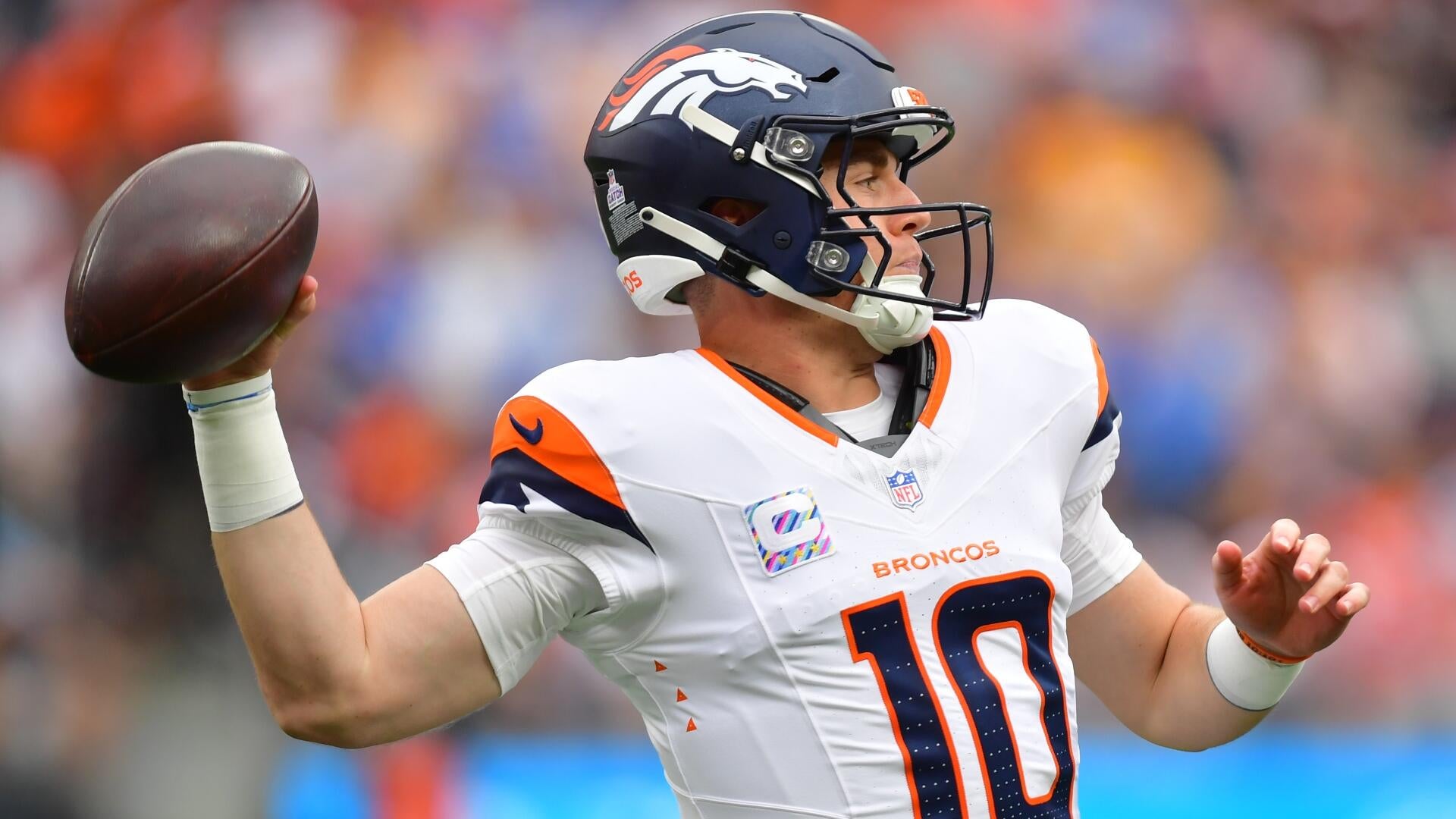
SportsLine’s latest predictive model has released its Black Friday 2026 pick, favoring the Denver Broncos over the Pittsburgh Steelers in the high‑stakes NFL matchup scheduled for the holiday weekend.
The decision follows Pittsburgh’s surprising roster move, releasing seasoned quarterback Aaron Rodgers and promoting rookie Mason Rudolph to the starting role. The shift is expected to alter the Steelers’ offensive dynamics, raising questions about the team’s competitiveness against a Broncos squad that has shown resilience in recent seasons.
In a statement released to the public, SportsLine’s data team emphasized that the model’s confidence is rooted in a combination of player performance metrics, historical matchup data, and real‑time injury reports. The organization noted that the Broncos’ offensive line and defensive prowess create a favorable environment for the projected outcome.
In-Depth Analysis & Key Details
The Steelers’ abrupt release of Aaron Rodgers—an NFL veteran who had led the franchise to multiple playoff appearances—marks a pivotal moment in the team’s history. By elevating Mason Rudolph, the Steelers signal a long‑term commitment to a younger, pass‑centric offense, a strategy that has been debated among analysts and fans alike.
From a regulatory standpoint, the rise of sports betting in the United States has intensified scrutiny on how predictive models influence wagering behavior. The NFL’s partnership with major sportsbooks and the recent expansion of legal betting markets underscore the economic stakes involved, as accurate predictions can drive significant revenue for both leagues and betting operators.
Industry observers note that SportsLine’s model relies on machine‑learning algorithms trained on thousands of games, incorporating variables such as player health, weather conditions, and coaching changes. While the model’s success rate has historically hovered around 60%, its application to a single high‑profile game like the Broncos vs. Steelers brings heightened visibility to the broader debate over data‑driven decision making in sports.
"The model’s confidence reflects a significant shift in the Steelers’ offensive dynamics following Rodgers’ release, underscoring the impact of roster changes on predictive accuracy."
Why This Matters & What Lies Ahead
For everyday sports fans and casual bettors, the prediction shapes expectations for the Black Friday game, influencing ticket sales, viewership, and the amount of money wagered on the outcome. A shift in the projected winner can also affect merchandise sales and local economies tied to game-day revenues.
Looking ahead, the Black Friday matchup on November 24, 2026, will serve as a litmus test for the model’s accuracy. Additionally, upcoming legislative hearings on expanding sports betting regulations in several states will be closely monitored, as they could redefine the legal framework within which predictive models operate and how sportsbooks manage risk.
Source: Reported by CBS Sports · Analyzed & Synthesized by DNB Newsroom


