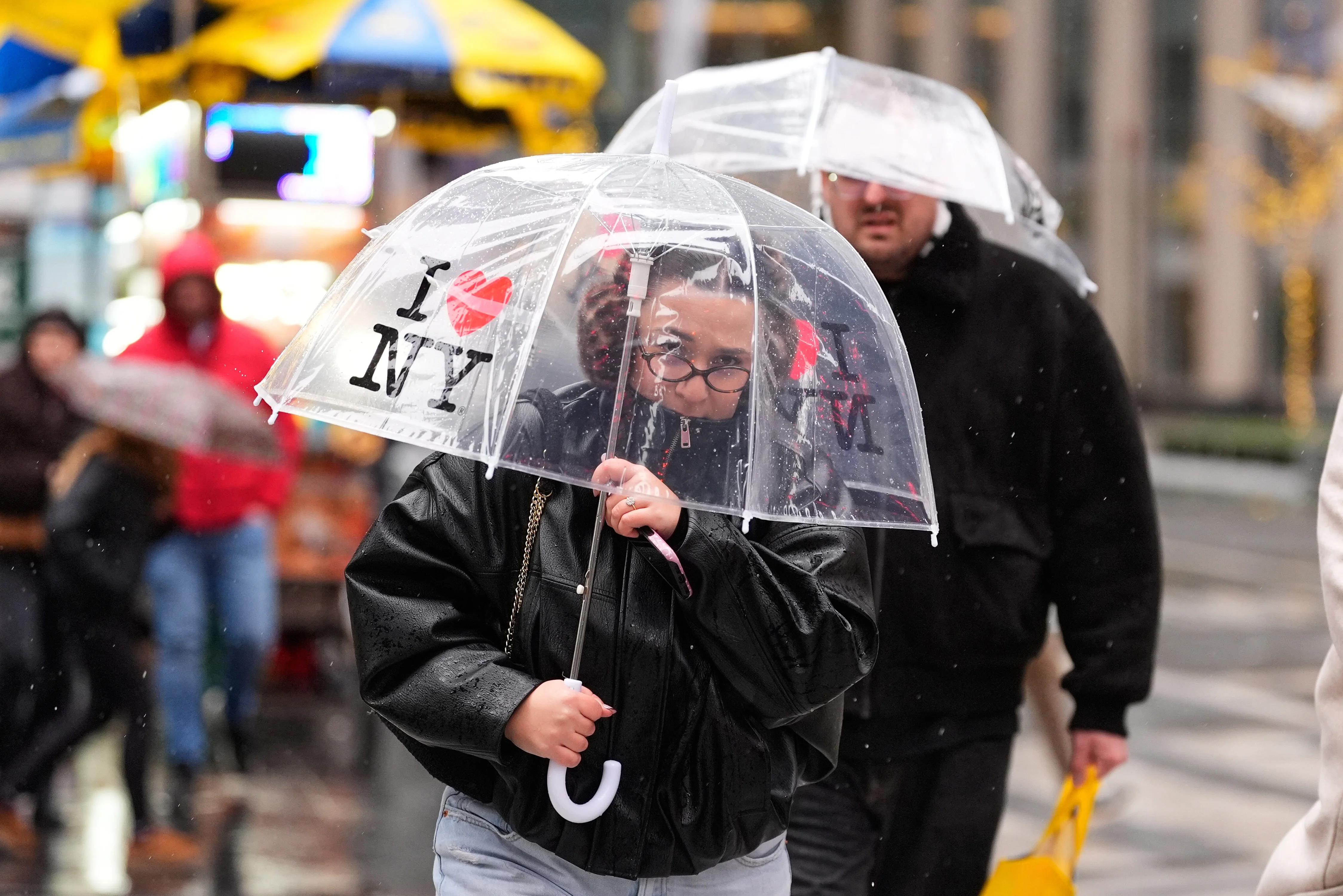
A fast‑moving low‑pressure system slammed the Eastern seaboard early Thursday, toppling trees, snapping power lines and leaving an estimated 970,000 homes and businesses in the dark, according to utility outage maps released by regional operators. The storm’s heavy snowfall and sleet produced rapid meltwater that inundated roadways in major metropolitan corridors, prompting city officials in Baltimore, Philadelphia and Boston to declare local emergencies and deploy National Guard units for sandbagging and debris removal.
Emergency management agencies reported that the power loss affected critical services, including hospitals and transit hubs, while crews from multiple utility firms worked around the clock to restore electricity, prioritizing hospitals, water treatment plants and emergency shelters. State governors issued coordinated alerts urging residents to limit non‑essential travel and to prepare for prolonged outages as repair crews navigated hazardous conditions.
Federal and state officials, including the Department of Energy’s Office of Electricity Delivery, emphasized that the outage response reflects ongoing challenges in modernizing the grid to withstand extreme weather. Retail associations, meanwhile, highlighted that early holiday shopping data shows consumers are still eager to spend, with major chains reporting a surge in online orders and in‑store traffic ahead of the traditional Black Friday rush.
In-Depth Analysis & Key Details
The current storm is part of a broader pattern of increasingly severe winter events linked to shifting climate dynamics, which have historically exposed vulnerabilities in the aging Northeastern power infrastructure. Decades of deferred investment in grid hardening have left many transmission lines exposed to wind‑induced damage, prompting calls from advocacy groups for accelerated modernization funded by recent federal infrastructure legislation.
Economists note that despite the Federal Reserve’s aggressive rate hikes aimed at curbing inflation, consumer confidence surveys indicate a willingness to maintain holiday spending, driven by pent‑up demand and aggressive promotional campaigns by retailers. This resilience is reflected in early sales metrics that suggest Black Friday could eclipse the $9 billion benchmark set in 2022, a trend that analysts attribute to strong wage growth in certain sectors and the proliferation of “buy‑now‑pay‑later” financing options.
Industry observers caution that the convergence of power disruptions and heightened consumer activity could strain logistics networks, especially as freight carriers grapple with delayed shipments and port congestion. Regulatory filings indicate that the Federal Energy Regulatory Commission is reviewing grid reliability standards, while the Federal Trade Commission monitors advertising practices to ensure that holiday discounts are not misleading in a market where supply constraints could limit product availability.
"The paradox of a crippled grid and a booming holiday market highlights both the fragility and the tenacity of the American economy."
Why This Matters & What Lies Ahead
For everyday shoppers, the storm threatens immediate inconveniences—lost power, delayed deliveries, and hazardous travel—yet the projected surge in Black Friday sales suggests that many will still prioritize holiday gifting, potentially inflating price competition and prompting retailers to offer deeper discounts. Simultaneously, the strain on the power grid raises questions about the reliability of essential services during peak consumption periods, influencing voter sentiment on infrastructure funding and regulatory reforms.
Legislators and regulators will be watching closely as utility companies submit restoration timelines and as the Federal Energy Regulatory Commission prepares to vote on new resilience standards later this year. Retail watchdogs are also poised to examine whether record‑setting sales are accompanied by supply shortages or deceptive pricing, setting the stage for congressional hearings on consumer protection and infrastructure investment ahead of the 2028 election cycle.
Source: Reported by NPR · Analyzed & Synthesized by DNB Newsroom