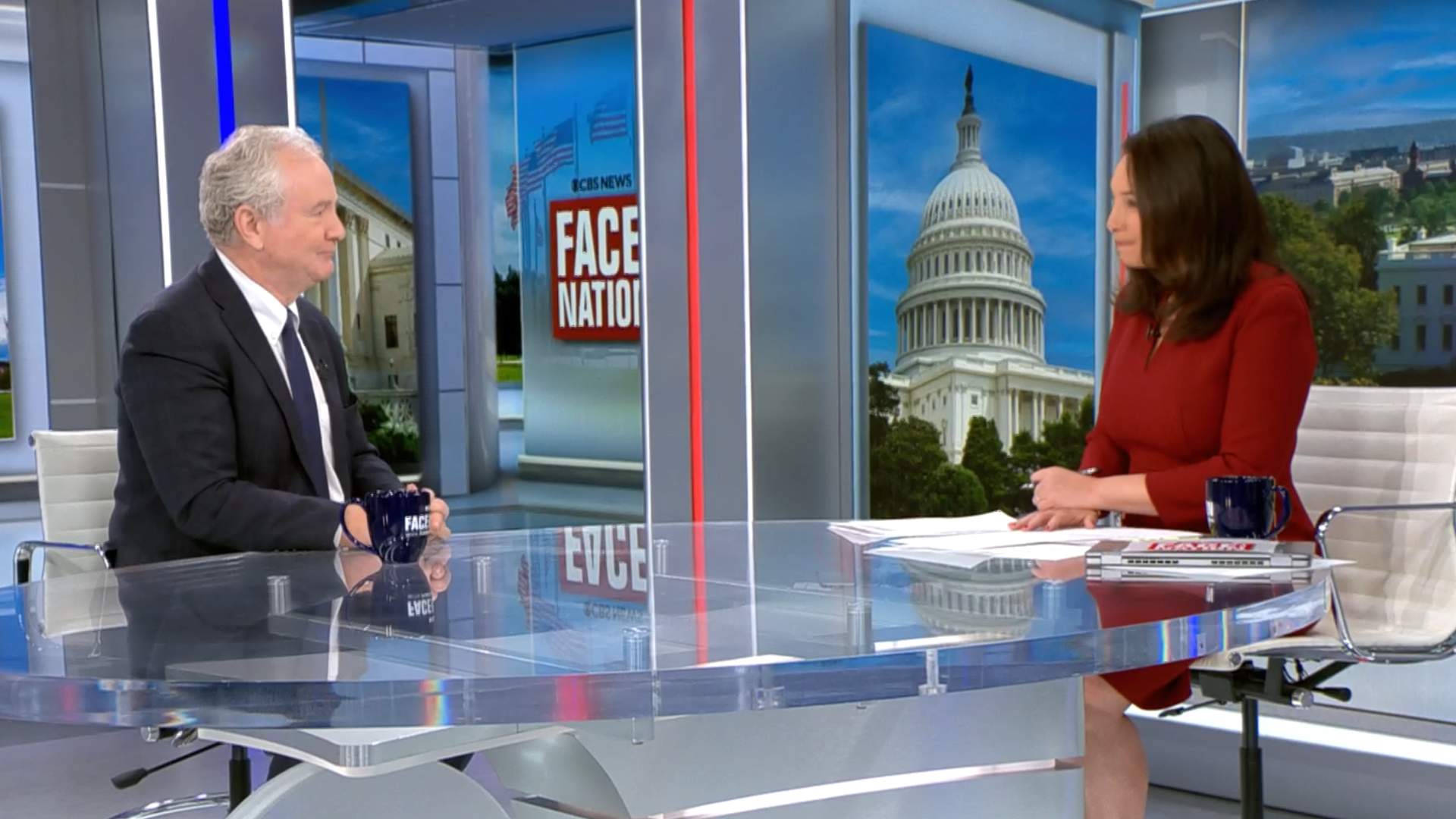
Senator Chris Van Hollen (D‑MD) and former Centers for Disease Control and Prevention director Mandy Cohen appeared together with CBS News host Nancy Cordes on the November 29 edition of Face the Nation. The trio used the primetime platform to outline a sweeping set of reforms aimed at strengthening America’s pandemic‑response architecture, a topic that has resurfaced amid a series of regional disease spikes and lingering supply‑chain disruptions.
During the interview, Van Hollen framed the discussion around a bipartisan consensus that the nation’s public‑health funding has not kept pace with the evolving threat landscape. He referenced recent congressional hearings that revealed a 27 % gap between current CDC resources and the levels needed to sustain continuous, nationwide pathogen surveillance. Cohen, who led the agency from 2021 to 2024, corroborated those findings, noting that many state health departments still rely on legacy reporting systems that impede rapid data sharing.
Both guests cited official CDC statements and internal modeling that project a potential 30‑40 % rise in mortality if a novel respiratory virus were to spread unchecked. Van Hollen announced that he will introduce a bipartisan amendment to the upcoming appropriations bill, while Cohen pledged to work with the agency’s new leadership to accelerate the rollout of a unified, real‑time data platform. Their remarks were met with cautious optimism from public‑health advocacy groups, which released statements applauding the “clear, data‑driven call to action.”
In-Depth Analysis & Key Details
The call for a pandemic‑readiness overhaul builds on a decade of post‑COVID‑19 reforms that have been unevenly implemented across federal and state lines. After the 2020 pandemic exposed chronic underinvestment in disease‑surveillance infrastructure, Congress passed the Pandemic Preparedness and Response Act of 2022, which allocated $10 billion for the CDC’s Emerging Infectious Diseases Program. However, subsequent budget cycles have trimmed those funds, leaving the agency vulnerable to emerging threats such as the recent H5N1 avian‑influenza cluster in the Midwest.
Regulatory experts observe that the current legislative environment is unusually favorable for public‑health funding, given the heightened public awareness and the bipartisan nature of the threat. Yet, competing priorities—particularly defense spending and infrastructure projects—create a fiscal tug‑of‑war that could dilute the impact of any new appropriations. Industry analysts also note that private‑sector partners, including biotech firms and data‑analytics companies, are lobbying for a greater role in the CDC’s data‑integration efforts, arguing that public‑private collaboration could accelerate the deployment of real‑time surveillance tools.
From a technical standpoint, the CDC’s existing data‑exchange architecture suffers from fragmented standards, which hampers the rapid aggregation of case counts, genomic sequencing results, and hospital capacity metrics. Public‑health officials stress that a unified platform, built on interoperable APIs and cloud‑based analytics, would enable faster identification of outbreak hotspots and more precise allocation of medical countermeasures. The proposed $15 billion infusion would fund not only software upgrades but also the recruitment of additional epidemiologists and data scientists, addressing a staffing shortfall that has persisted since the pandemic’s peak.
""If we wait for the next crisis to expose our vulnerabilities, the human and economic toll will be far greater than any budget line we can afford to protect," Van Hollen warned during the interview."
Why This Matters & What Lies Ahead
For everyday Americans, the stakes are immediate: a more robust surveillance system could mean earlier warnings about local outbreaks, faster distribution of vaccines, and reduced strain on hospital resources. Consumers stand to benefit from clearer guidance on protective measures and from a health‑care system better equipped to handle surges without resorting to rationed care. Moreover, businesses would gain stability as supply‑chain disruptions linked to health emergencies become less frequent, preserving jobs and economic growth.
Legislatively, the next few weeks will be pivotal. Van Hollen’s amendment is slated for debate on the Senate Appropriations Committee in early December, with a full Senate vote expected before the year‑end budget deadline. Simultaneously, the CDC’s new director is set to release a strategic plan for the data‑integration platform by March 2027, a timeline that will be closely monitored by oversight bodies. Court challenges to recent CDC travel‑restriction rulings also loom, potentially influencing how quickly new public‑health measures can be enacted. Stakeholders from state health agencies to private‑sector partners will be watching these developments to gauge the trajectory of U.S. pandemic preparedness.
Source: Reported by CBS News · Analyzed & Synthesized by DNB Newsroom