Millions of Americans are set to leave the Thanksgiving table and head for airports, highways, and train stations, only to encounter a swath of low‑pressure systems moving eastward across the continent. The National Weather Service has issued winter storm warnings for the Northeast Corridor, the Great Lakes region, and portions of the Midwest, bringing snow, sleet, and gusty winds that could cripple both air and ground travel.
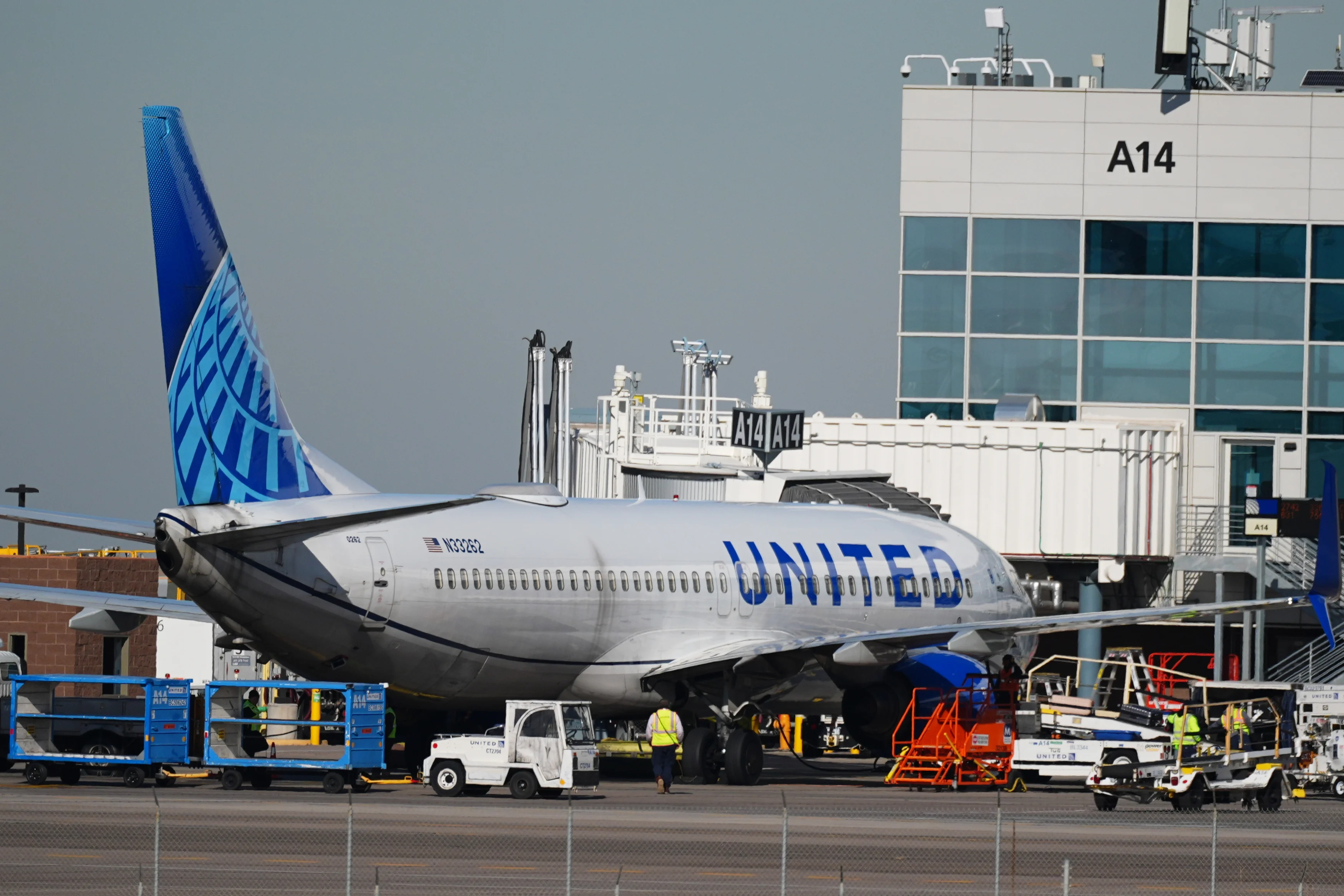
The Transportation Security Administration, tasked with safeguarding the nation’s air travel, announced it will screen an estimated three million passengers on Sunday, a volume that eclipses typical holiday peaks. Airlines such as Delta, United, and American have already announced schedule adjustments, while major carriers on the West Coast are holding a small pool of aircraft in reserve to accommodate potential diversions.
Federal officials emphasized that safety remains the top priority. TSA Administrator David Pekoske, speaking at a press briefing, urged travelers to arrive early, allow extra time for security lines, and stay informed through airline apps and local weather feeds. Consumer advocacy groups warned that prolonged congestion could strain airport amenities and increase the risk of missed connections, prompting calls for clearer communication from carriers.
In-Depth Analysis & Key Details
The convergence of severe weather with the nation’s most congested travel window is not unprecedented, but the scale of this season’s storms is amplified by a backlog of delayed flights from earlier in the week. Historically, the post‑Thanksgiving period has seen a 12‑15 percent increase in passenger volume compared with the previous weekend, a trend that strains staffing levels at security checkpoints and runway capacity at major hubs.
Regulatory frameworks give the TSA authority to mobilize additional screeners and deploy mobile screening units, yet budget constraints and staffing shortages have limited the agency’s flexibility in past events. Industry analysts note that airlines have been reluctant to over‑book flights in anticipation of weather disruptions, a shift from the aggressive revenue‑management tactics of the early 2010s, reflecting a more cautious approach to risk.
Aviation safety advocates point out that winter storms increase the likelihood of runway incursions and aircraft de‑icing delays, which can cascade into broader network disruptions. The Federal Aviation Administration’s recent guidance on snow‑removal priorities underscores the delicate balance between maintaining flight schedules and ensuring runway safety, especially when visibility drops below minimum thresholds.
"When a storm collides with the holiday travel surge, the system’s margins shrink dramatically, turning routine delays into a logistical cascade that tests every layer of the transportation network."
Why This Matters & What Lies Ahead
For the average traveler, the immediate consequence is longer wait times at security checkpoints, potential flight cancellations, and hazardous road conditions that could extend journeys by several hours. Retailers relying on timely holiday shipments may face inventory shortfalls, while businesses that depend on face‑to‑face meetings risk postponements that could affect quarterly earnings.
Looking ahead, lawmakers are expected to scrutinize the TSA’s staffing model during the upcoming congressional transportation subcommittee hearing in early December. Simultaneously, the Department of Transportation plans to release an updated winter‑weather contingency framework by late January, aiming to improve coordination between airlines, airports, and state highway agencies for future peak‑season storms.
Source: Reported by NPR · Analyzed & Synthesized by DNB Newsroom