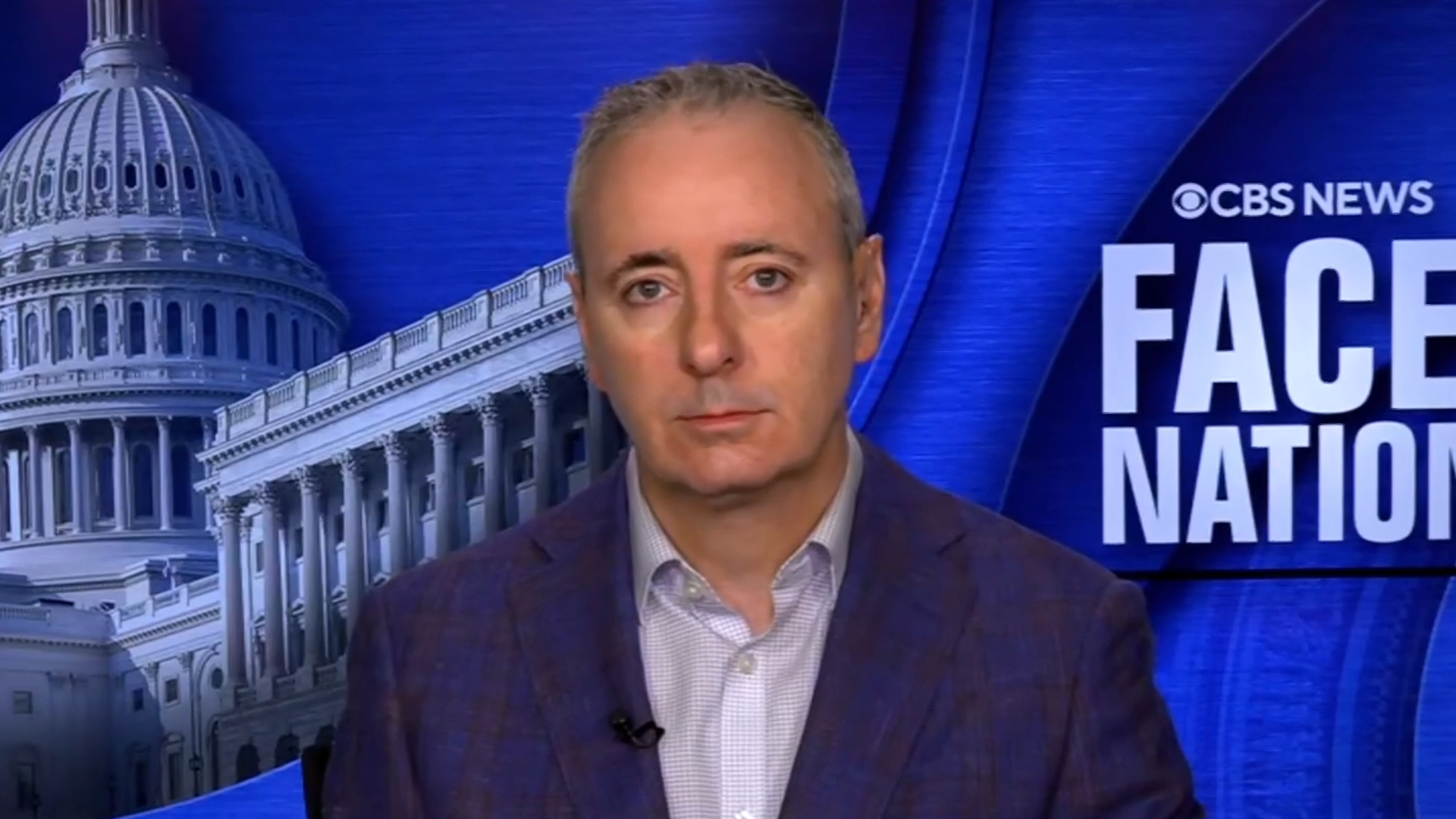
Republican Congressman Brian Fitzpatrick of Pennsylvania sounded an alarm on Capitol Hill, stating that the United States is heading toward a "dangerous place" if artificial‑intelligence technologies evolve without coordinated international guardrails. In a floor speech on Tuesday, Fitzpatrick cited recent cyber‑attack reports and deep‑fake proliferations as evidence that current U.S. policy is insufficient to manage the technology’s rapid diffusion.
The warning came as the House Committee on Energy and Commerce prepared to review a draft bill that would task the administration with convening an international summit on AI safety. Fitzpatrick emphasized that the United States cannot act in isolation, urging allies in Europe, Asia, and the Pacific to adopt common standards for algorithmic transparency, data provenance, and liability.
Following the remarks, several tech‑industry groups issued cautious endorsements, while civil‑rights organizations called for stronger privacy protections. The administration’s Office of Science and Technology Policy indicated it would provide technical expertise to the proposed summit, signaling tentative executive support for the congressional initiative.
In-Depth Analysis & Key Details
The call for global AI guardrails echoes earlier legislative attempts to regulate emerging technologies, such as the 2018 GDPR‑style data privacy framework that the European Union successfully imposed on multinational corporations. Historical precedent suggests that coordinated standards can both mitigate risk and create market certainty, yet the U.S. has traditionally favored a more fragmented, innovation‑centric approach.
Regulatory debates now pivot on whether a binding treaty would stifle domestic AI development or provide a necessary check against misuse. Industry analysts observe that countries like China are advancing AI capabilities under a state‑directed model, while the European Union is moving toward stringent oversight, leaving the United States in a strategic middle ground. Economic consequences could be significant: a lack of alignment may force companies to maintain separate compliance regimes, inflating operational costs and potentially slowing the rollout of AI‑enhanced products.
Domain experts note that technical challenges—such as establishing verifiable model provenance, auditing training data for bias, and creating real‑time monitoring mechanisms—require collaborative research infrastructures. Without shared standards, nations risk a “race to the bottom” where the lowest regulatory bar becomes the de facto global norm, undermining safety and ethical considerations.
"Without a unified set of rules, the AI arms race could outpace our ability to protect citizens, economies, and democratic processes alike."
Why This Matters & What Lies Ahead
For everyday Americans, unchecked AI could translate into more pervasive surveillance, manipulated political content, and job displacement driven by opaque automation. Consumers may also face higher prices for digital services as companies grapple with divergent compliance regimes across borders.
Legislators and regulators will be watching the upcoming International AI Safety Summit slated for early next year, where the United States hopes to broker a multilateral agreement. Subsequent congressional hearings, slated for the summer, will examine the draft resolution’s language, while the Federal Trade Commission is expected to release new guidance on AI‑related consumer protection within the next quarter.
Source: Reported by CBS News · Analyzed & Synthesized by DNB Newsroom