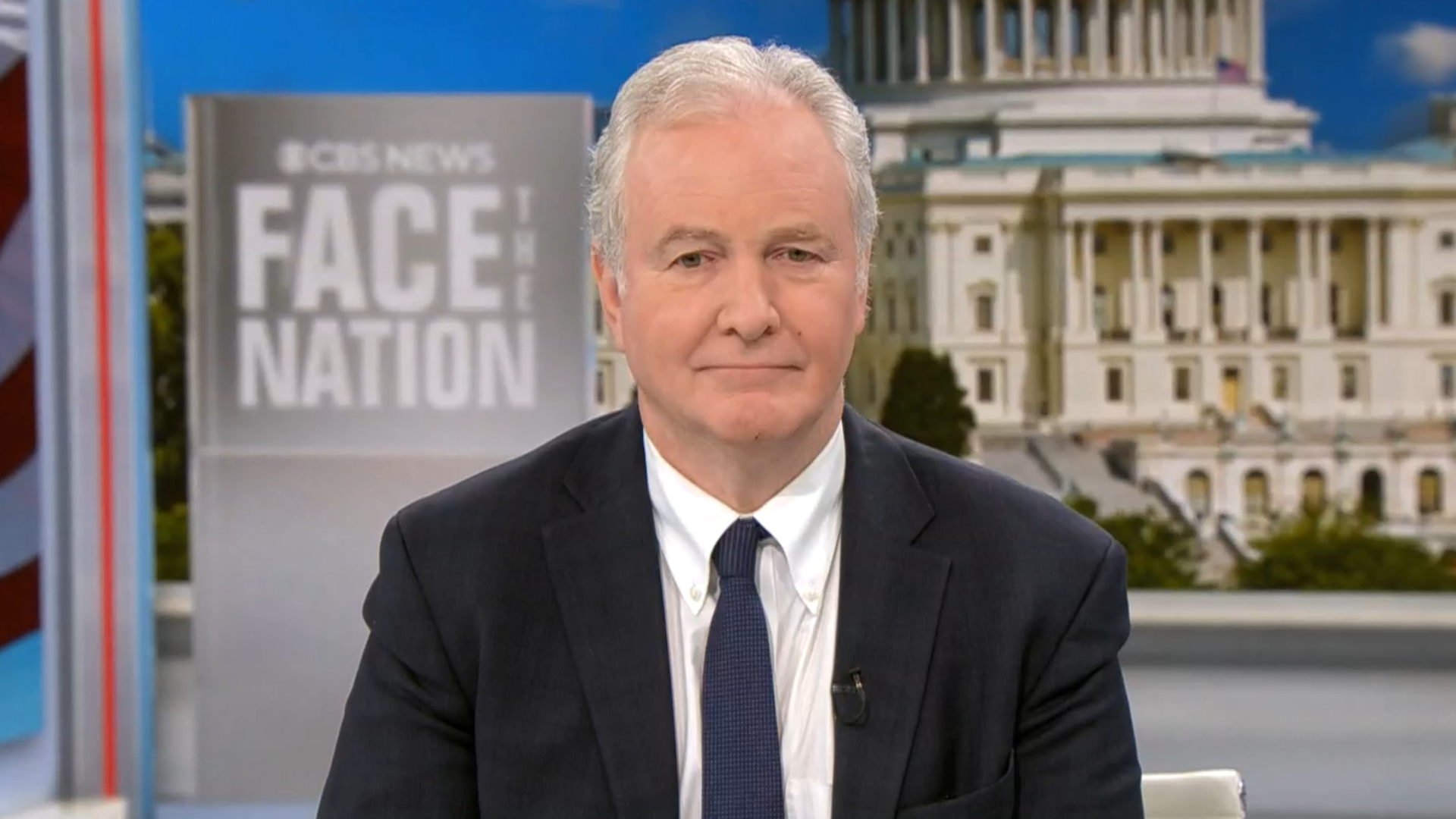
Senator Chris Van Hollen, a Maryland Democrat and vocal contender for Senate Democratic leadership, told a press briefing on Capitol Hill that the party’s top‑down agenda will move forward without significant friction for the first 100 days under Majority Leader Chuck Schumer. He framed the early phase as a “window of consensus” that will allow the Senate to address priority bills on infrastructure, broadband expansion, and pandemic relief without internal derailment.
The comment came as the Senate prepared to convene for its opening session on Jan. 3, with Schumer’s caucus outlining a legislative calendar that includes a $1 trillion bipartisan infrastructure package and a series of measures aimed at strengthening election security. Van Hollen’s remarks were delivered in the context of an ongoing leadership contest, where several senior Democrats have signaled interest in succeeding Schumer, who announced his intention to step down after the 2024 elections.
In response, Schumer’s office issued a brief statement praising the “shared commitment to get work done for the American people” and underscored the need for “steady, collaborative leadership” as the Senate faces a divided House and looming budget deadlines. Democratic staffers noted that the party’s internal polling shows a high approval rating for the current leadership team, but they also acknowledged that policy disputes could intensify as the agenda moves into more polarizing territory.
In-Depth Analysis & Key Details
The apparent harmony in the opening weeks reflects a historical pattern in which Senate majority leaders secure a short‑term pact with their caucus to push through high‑visibility legislation before internal factions assert themselves. Since the 1990s, Democratic leaders have routinely used the first 90‑day window to cement a legislative brand, leveraging public pressure to sideline dissent. Van Hollen’s reference to a “631‑day horizon” signals an awareness that the party’s broader ideological spectrum—ranging from progressive climate advocates to moderate centrists—will inevitably test that early unity.
Regulatory and geopolitical forces also shape the timeline. The Senate’s upcoming deliberations on a new climate‑resilience funding bill, as well as negotiations with the White House on a revised tax code, are likely to expose divergent priorities among Democrats representing swing districts versus those from solidly blue constituencies. Economic analysts note that market participants monitor intra‑party cohesion because it influences the predictability of fiscal policy, especially ahead of the 2024 midterms where control of the House could shift.
Political scientists observe that leadership contests often surface when a party’s agenda moves from “low‑stakes” infrastructure projects to “high‑stakes” reforms such as voting rights and health‑care expansion. Van Hollen’s projection of a multi‑year disagreement window aligns with scholarly models that predict conflict peaks after the initial legislative honeymoon, as legislators begin to weigh constituency pressures against party directives.
"Van Hollen’s warning that the real test of Democratic unity will come after the first 100 days underscores how leadership battles can reshape the Senate’s policy trajectory."
Why This Matters & What Lies Ahead
For everyday Americans, the early consensus means that tangible benefits—like faster broadband rollouts in rural areas and accelerated bridge repairs—are likely to materialize before the holiday season. However, the looming policy rifts could stall more transformative reforms, such as expanding Medicare or enacting stricter climate standards, leaving voters uncertain about the Senate’s capacity to deliver on promises made during the campaign.
Legislators, advocacy groups, and investors will be watching the Senate’s internal dynamics closely as the 2024 election cycle intensifies. Upcoming hearings on the federal budget, scheduled for the spring, and a potential vote on a comprehensive voting‑rights bill later in the year will serve as litmus tests for whether the party can maintain its early‑stage cohesion or succumb to the projected 631‑day discord. The outcomes will shape not only the legislative record but also the political fortunes of any challenger to Schumer’s leadership.
Source: Reported by CBS News · Analyzed & Synthesized by DNB Newsroom