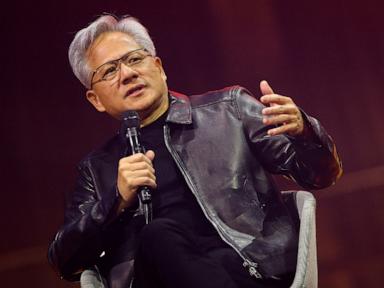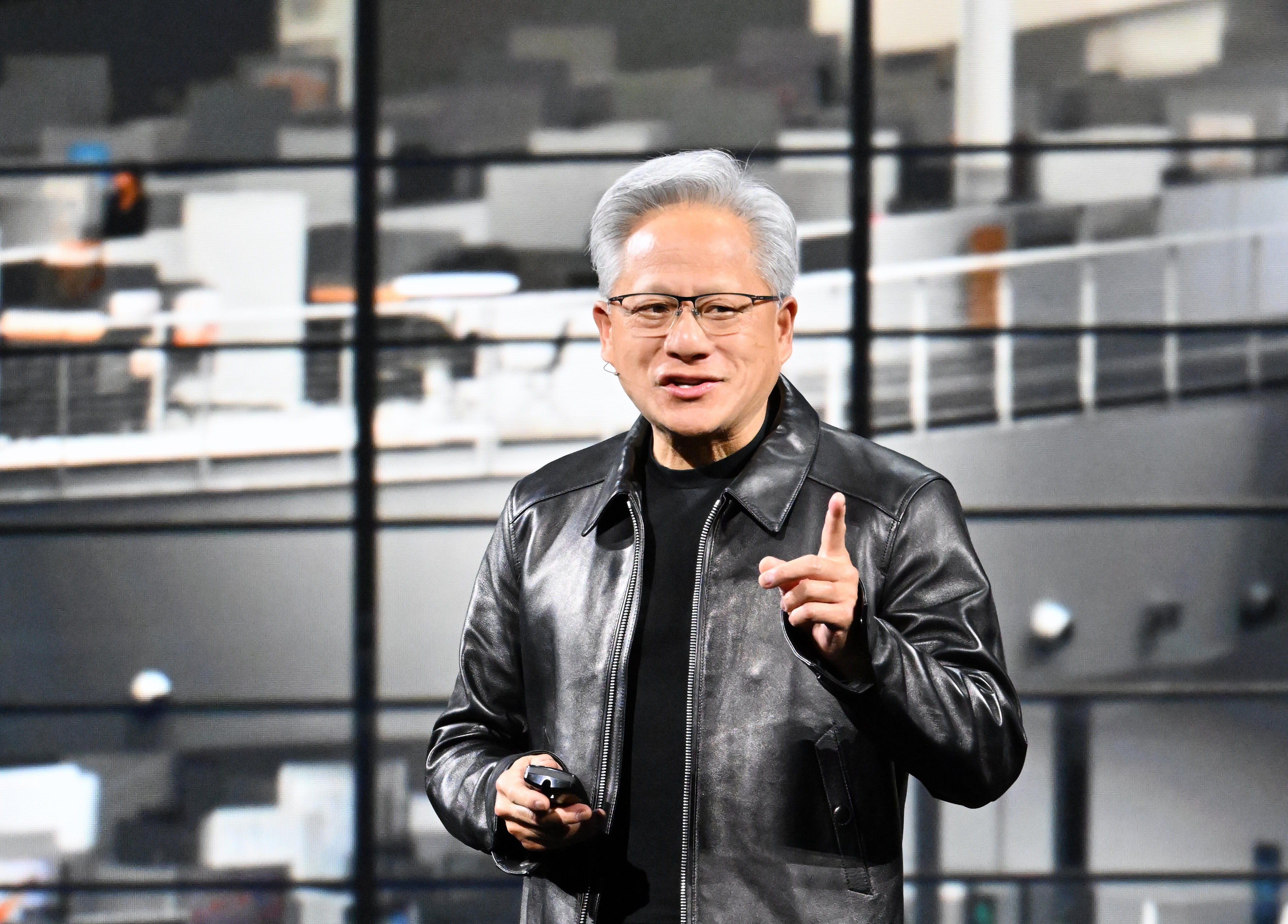
The semiconductor industry witnessed a seismic shift in market dynamics as Nvidia’s stock value skyrocketed by $1 trillion following the confirmation of Jensen Huang’s return as Chief Executive Officer. This immediate financial reaction reflects the profound reliance of global markets on Nvidia’s leadership in artificial intelligence hardware. The reinstatement was met with swift and vocal approval from high-level political and corporate figures, who viewed the decision as a strategic imperative for maintaining American technological edge.
The operational context of this move is deeply intertwined with the global race to secure advanced chip manufacturing capabilities. As demand for AI processors reaches unprecedented levels, the stability of Nvidia’s executive leadership has become a key indicator of the company’s ability to meet supply commitments. The geographical and economic stakes are high, with the company’s performance directly influencing the trajectory of data center expansions across North America and Asia.
Official remarks from the White House and major investment firms highlighted the significance of Huang’s leadership. President Trump commended the decision, aligning it with broader national security objectives related to technological independence. Simultaneously, prominent investors emphasized that Huang’s return provides the necessary continuity to navigate complex regulatory landscapes and sustain the rapid innovation cycle required in the AI sector.
In-Depth Analysis & Key Details
Historically, Nvidia’s rise to dominance in the GPU market has been driven by a combination of technical innovation and strategic positioning in the AI boom. The recent leadership transition and subsequent reversal highlight the volatility inherent in high-growth technology firms and the sensitivity of institutional investors to executive stability. This episode serves as a case study in how leadership continuity can influence market perception and capital allocation in the tech sector.
Competing perspectives on this development reveal a divide between those who prioritize short-term market stabilization and those who advocate for broader structural reforms in the semiconductor supply chain. Regulatory debates surrounding export controls and foreign investment in critical technology continue to shape the operating environment for companies like Nvidia. The economic consequences of these tensions are evident in the premium placed on companies that can guarantee domestic production capabilities and secure access to cutting-edge manufacturing equipment.
Industry analysts observe that the technical intricacies of next-generation AI chips require not only engineering excellence but also robust institutional frameworks. The ability to scale production while adhering to evolving international trade regulations remains a critical challenge. This domain context suggests that future leadership decisions at Nvidia will be scrutinized not just for financial performance but for their alignment with national strategic interests and global regulatory compliance.
"The return of Jensen Huang to the helm of Nvidia is not merely a corporate personnel decision; it is a strategic declaration of intent in the global contest for artificial intelligence supremacy."
Why This Matters & What Lies Ahead
For everyday citizens and consumers, the stability of Nvidia’s leadership has direct implications for the availability and cost of AI-driven technologies, from healthcare diagnostics to autonomous vehicles. The surge in market value also signals a broader confidence in the U.S. tech sector, which can influence employment trends and investment opportunities in related industries. Public policy makers are watching this development closely as they craft legislation aimed at securing the domestic semiconductor supply chain and reducing dependence on foreign manufacturing.
Upcoming milestones to monitor include potential legislative hearings on semiconductor export controls and the results of ongoing regulatory reviews concerning foreign investment in critical technology. Investors should also keep an eye on Nvidia’s next earnings report, which will provide insights into how the leadership transition has impacted operational efficiency and product roadmaps. These factors will collectively determine the long-term sustainability of the company’s market position and its contribution to the broader digital economy.
Source: Reported by CBS News · Analyzed & Synthesized by DNB Newsroom