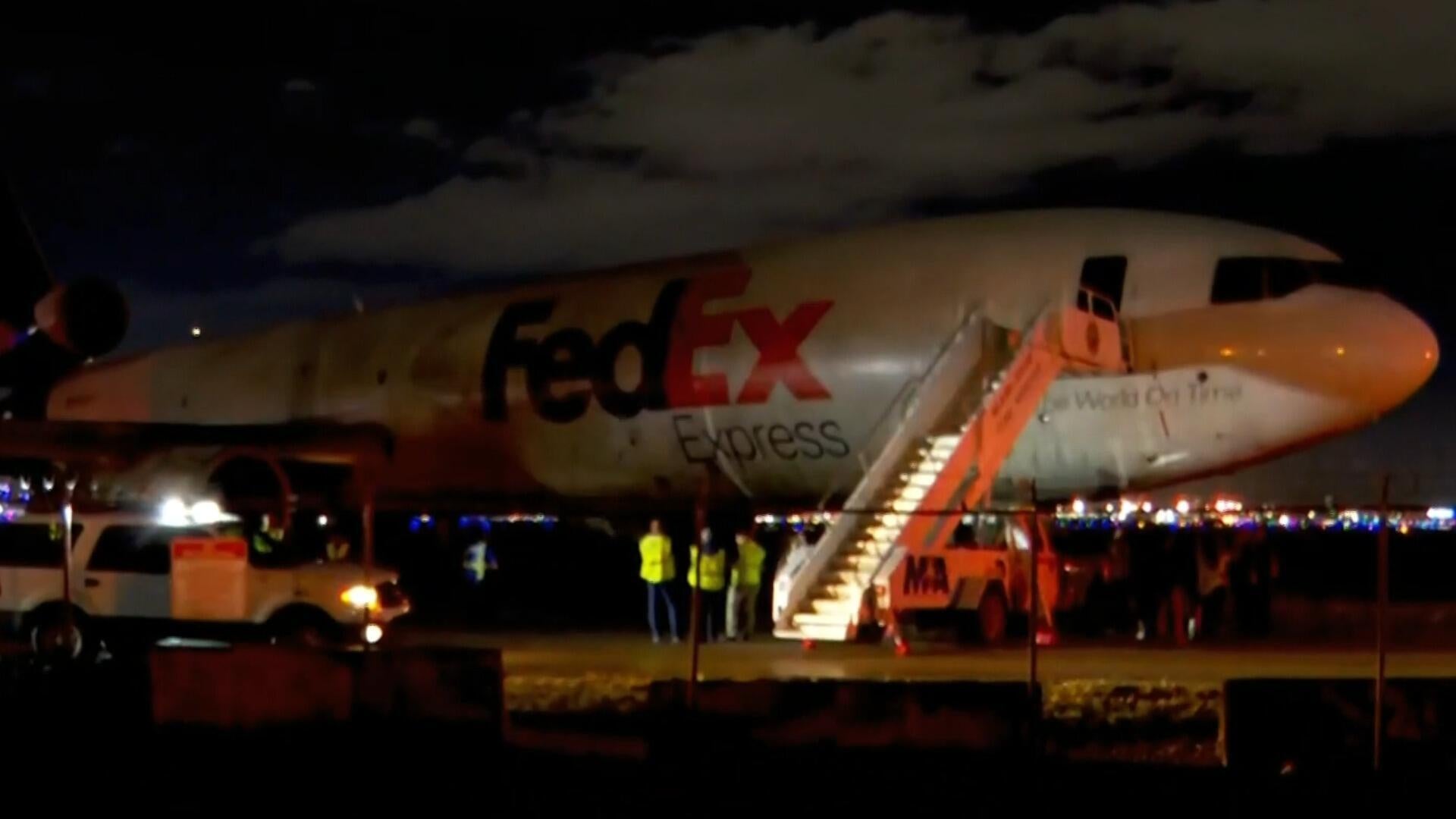
A FedEx cargo aircraft departed the paved surface of runway 9L at Miami International Airport on Wednesday afternoon as a thunderstorm intensified, leaving the aircraft partially on the grass shoulder and triggering an immediate airport-wide ground halt. The Boeing 767‑300F, carrying a mixed load of parcels and freight, was attempting a routine landing when gusty winds and a sudden downpour reduced braking effectiveness, according to the Federal Aviation Administration’s preliminary report.
Airport controllers confirmed that the runway closure lasted approximately ninety minutes while emergency crews secured the aircraft, inspected the runway for debris, and cleared the surrounding area. During that window, more than 200 commercial and cargo flights were either held on the tarmac or diverted to alternate airports, amplifying congestion across the southeastern United States. The incident occurred at a time when Miami International serves as a critical gateway for time‑sensitive shipments destined for Latin America and the Caribbean.
FedEx issued a brief statement through its public‑relations office, noting that the crew “executed emergency procedures safely” and that “no one was injured.” The airline also pledged full cooperation with the FAA and the National Transportation Safety Board. FAA spokespersons indicated that investigators are reviewing weather data, aircraft performance logs, and runway surface conditions to determine the precise cause and to recommend any necessary corrective actions.
In-Depth Analysis & Key Details
Historically, Miami International Airport has been a flashpoint for weather‑related disruptions, given its proximity to the Atlantic hurricane corridor. Past incidents involving runway excursions have prompted incremental upgrades to drainage systems and the adoption of advanced runway‑end safety areas (RESAs). The current event underscores lingering vulnerabilities when high‑capacity cargo jets encounter sudden microbursts, a phenomenon that can dramatically alter lift and drag within seconds.
Regulatory bodies, including the FAA and the International Civil Aviation Organization, have long debated the adequacy of existing wind‑shear detection equipment at major cargo hubs. Industry analysts observe that while passenger airlines often receive priority for runway upgrades, cargo operators like FedEx may face longer wait times for infrastructure enhancements, creating a disparity that can affect supply‑chain resilience. Moreover, the incident arrives amid broader scrutiny of cargo‑plane operating limits under adverse weather, a topic that has resurfaced after several high‑profile delays during the 2023 Atlantic storm season.
Aviation safety advocates note that the convergence of heavier freight loads, tighter scheduling, and increasingly volatile weather patterns demands a reassessment of standard operating procedures. They point to emerging technologies such as predictive wind‑shear modeling and automated braking systems, which could mitigate the risk of runway excursions if integrated into airline fleets and airport control protocols.
"When a storm turns a routine landing into a high‑risk maneuver, the margin for error shrinks dramatically—highlighting the need for faster, data‑driven decision‑making on the tarmac and in the cockpit."
Why This Matters & What Lies Ahead
For everyday consumers, a disruption at Miami International reverberates through the supply chain, potentially delaying the delivery of perishable goods, medical supplies, and e‑commerce orders that rely on FedEx’s expedited network. The temporary shutdown also strained airline passengers, who faced extended wait times and rebooking hassles, illustrating how cargo incidents can spill over into broader travel experiences.
Looking ahead, the FAA is slated to convene a stakeholder briefing next month to discuss potential revisions to runway‑use protocols during severe weather. Simultaneously, FedEx’s internal safety review is expected to be completed within the quarter, with findings likely to inform industry‑wide best practices. Stakeholders, including congressional transportation committees, will monitor these developments closely, as any regulatory shift could reshape operational costs and scheduling flexibility for cargo carriers across the United States.
Source: Reported by CBS News · Analyzed & Synthesized by DNB Newsroom