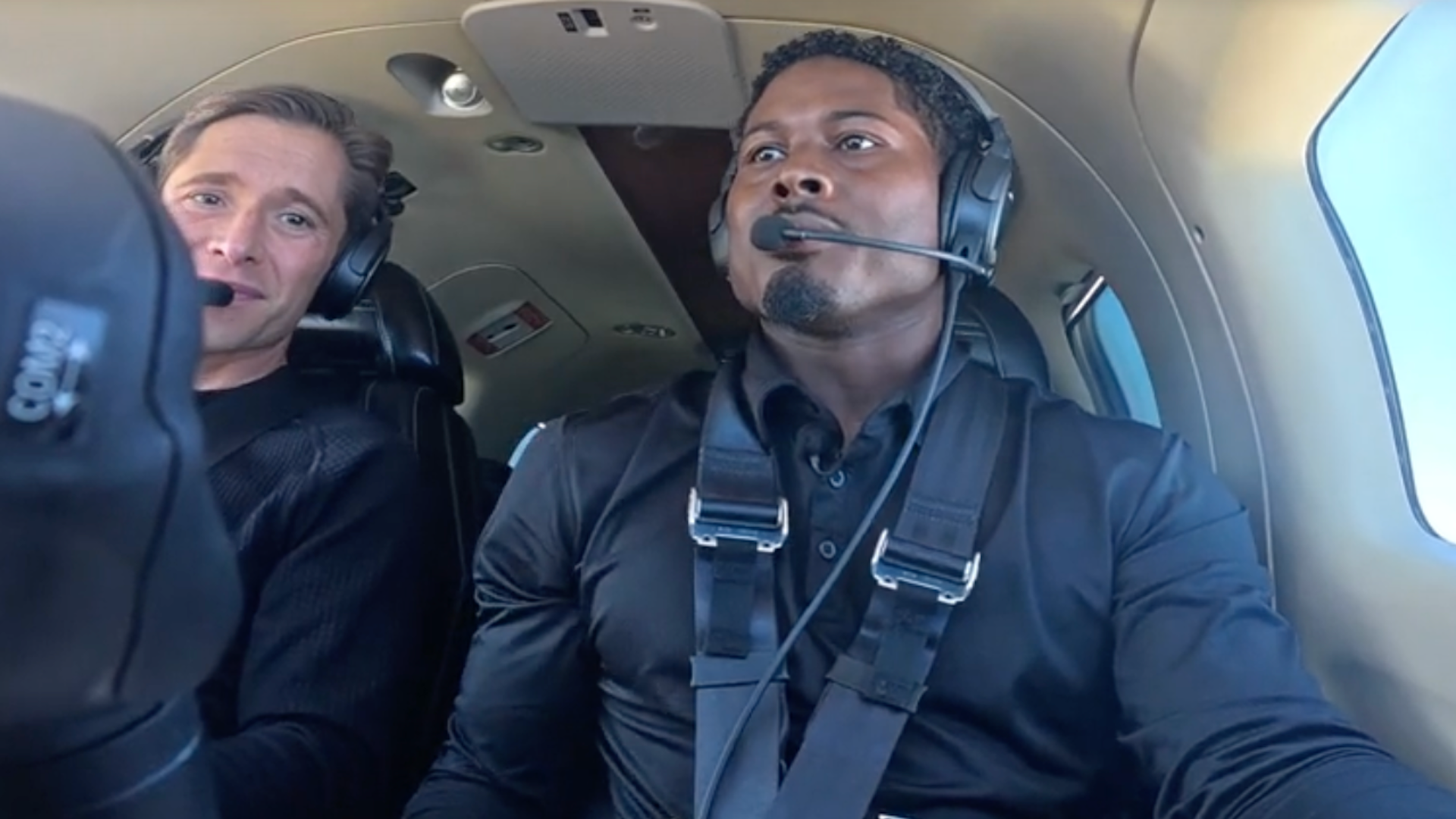
On a crisp November morning, Jonathan Jones piloted a small aircraft to his contract signing in front of a packed stadium, capturing millions of eyes on social media. The stunt, which went viral within hours, was more than a publicity stunt; it was a prelude to a larger mission that Jones has been cultivating for the past year. He explained to CBS’s Kris Van Cleave that the experience cemented his resolve to use aviation to help children with serious health conditions reach critical medical appointments.
The charity, named “Flight for Hope,” will operate out of the Philadelphia International Airport and partner with local hospitals such as the Children's Hospital of Philadelphia. Jones plans to use a fleet of two certified helicopters and a single fixed‑wing aircraft, each equipped with medical support staff, to transport patients from their homes to treatment centers and back. The program will focus on families who lack reliable transportation and cannot afford the cost of medical travel.
During the interview, Jones emphasized that the initiative is built on partnerships rather than personal branding. “I’m not doing this for the spotlight,” he said. “I’m doing it because the kids deserve a chance to get the care they need without the added stress of travel.” The Eagles’ front office released a statement confirming the organization’s support, noting that the team will provide logistical assistance and will seek corporate sponsors to sustain the program long term.
In-Depth Analysis & Key Details
Jones’ transition from viral stunt to charitable entrepreneur reflects a broader trend of athletes leveraging personal passions to address community needs. Historically, professional sports figures have engaged in philanthropy, but few have combined a personal hobby—such as aviation—with a tangible service. The initiative aligns with the NFL’s 2021 community‑service mandate, which encourages teams to support local causes that improve quality of life.
Regulatory considerations are significant. The Federal Aviation Administration (FAA) requires that any medical transport operation meet strict safety and certification standards, including pilot licensing, aircraft maintenance, and medical crew qualifications. Jones’ organization has already secured FAA approvals for the helicopter fleet and has contracted experienced flight attendants with medical training. The program also navigates complex insurance and liability frameworks, ensuring both patient safety and compliance with state health regulations.
Industry analysts observe that the program could influence the emerging market for medical air transport, a sector projected to grow at a 7.5% CAGR over the next decade. By demonstrating a cost‑effective model that reduces ground‑transport delays, “Flight for Hope” may attract attention from health insurers and government agencies seeking to improve access to care for underserved populations.
"By turning a personal passion into a lifeline for sick children, Jones shows how athletes can lift more than just their own spirits."
Why This Matters & What Lies Ahead
For families in the Philadelphia region, the charity offers a lifeline that eliminates travel barriers to essential medical care, potentially reducing missed appointments and improving health outcomes. The initiative also highlights the role of sports figures in driving social change, offering a blueprint for other athletes to follow.
The program’s first operational flight is scheduled for early December, with a formal launch event planned for the Eagles’ home opener. Stakeholders—including the NFL, the FAA, and local health authorities—will monitor the initiative’s impact over the next year, with a mid‑term review slated for March 2025. These milestones will inform future policy discussions on integrating community service into professional sports frameworks.
Source: Reported by CBS News · Analyzed & Synthesized by DNB Newsroom