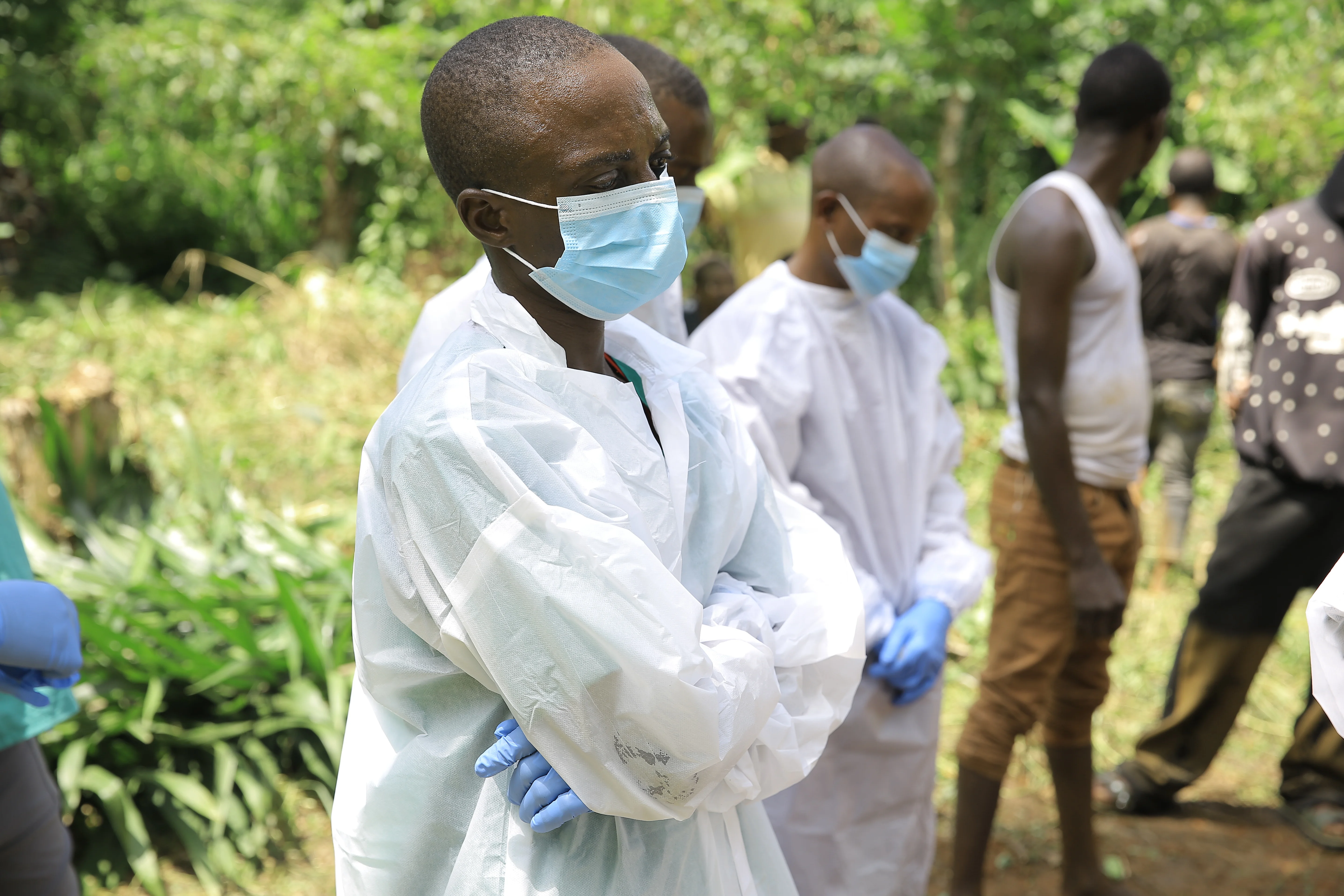
The Democratic Republic of Congo’s eastern provinces have recorded more than 12,000 Ebola cases, a figure that has alarmed health officials and international observers alike. The surge coincides with a resurgence of hostilities between the national army and the Allied Democratic Forces, a rebel group that has seized several towns in North Kivu and Ituri.
In the past week, the fighting has forced health teams to abandon quarantine centers in Goma and Masisi, leaving patients untreated and community members exposed. The army’s attempts to secure supply routes have been met with ambushes, resulting in the evacuation of several international medical volunteers and the temporary closure of key transport corridors.
The World Health Organization issued a statement urging the Congolese government to prioritize a ceasefire and to reopen access to affected communities. Meanwhile, the United Nations Mission in the DRC (MONUSCO) has pledged additional resources to support surveillance and contact tracing efforts, though logistical challenges remain.
In-Depth Analysis & Key Details
Ebola’s history in the DRC is marked by repeated outbreaks, often linked to dense forested areas where human–animal interactions facilitate spillover. The current crisis is compounded by decades of political instability, weak health infrastructure, and limited vaccine coverage, creating a fertile ground for rapid disease transmission.
The clash between rebel groups and the national army reflects broader tensions over resource control and governance in the eastern provinces. While the government claims that military operations are essential to restoring order, critics argue that the heavy-handed approach exacerbates displacement and undermines public health measures. International regulators, such as the International Health Regulations, emphasize the need for transparent reporting and coordinated response, yet the ongoing conflict hampers data collection.
Experts in infectious disease control note that the interruption of routine vaccination campaigns, particularly the use of the rVSV-ZEBOV vaccine, has left large swaths of the population vulnerable. Additionally, the lack of reliable laboratory testing in conflict zones delays case confirmation, allowing the virus to spread unchecked. The situation underscores the delicate balance between security operations and humanitarian access in epidemic contexts.
"When war disrupts health systems, diseases like Ebola gain the upper hand, turning a medical emergency into a humanitarian catastrophe."
Why This Matters & What Lies Ahead
For ordinary citizens, the dual threat of armed conflict and a deadly virus means daily life is fraught with danger, from shortages of clean water to the risk of infection in overcrowded displacement camps. Economically, the outbreak threatens to derail regional trade, as border closures and travel restrictions impact supply chains that rely on the eastern DRC’s mineral resources.
Key developments to watch include the upcoming United Nations Security Council meeting on November 28, where member states will debate increased funding for Ebola response teams, and the scheduled ceasefire talks between the Congolese army and rebel leaders slated for December 5. The outcomes of these negotiations could determine whether the international community can secure the stability needed to halt the epidemic.
Source: Reported by NPR · Analyzed & Synthesized by DNB Newsroom