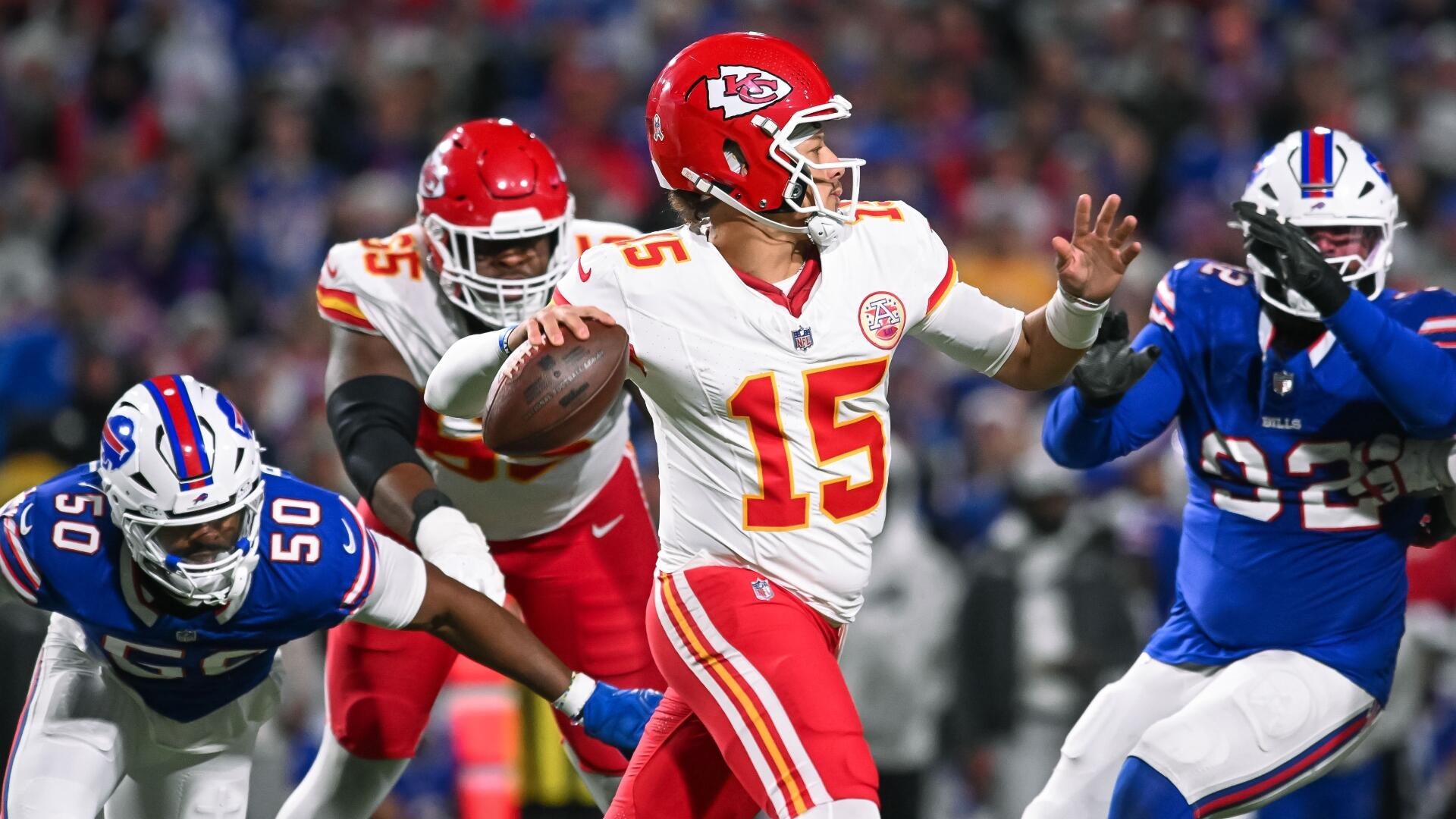
As the NFL calendar advances to Week 12, the sports betting industry has locked in the odds, spreads, and totals for the upcoming slate of sixteen games. This week’s schedule is particularly notable for its inclusion of the traditional Thanksgiving Day matchups, which have become the de facto highlight of the mid-season broadcast calendar. The primary focus for bettors and analysts alike is on the Detroit Lions versus the Chicago Bears and the Dallas Cowboys versus the Philadelphia Eagles, two contests that carry significant weight for the NFC’s competitive hierarchy.
The operational context of this week’s games is defined by the convergence of high-stakes divisional play and the unique atmospheric conditions of Thanksgiving football. The Lions-Bears game, played in Detroit, pits two teams with divergent recent trajectories against each other, while the Cowboys-Eagles rivalry in Dallas offers a classic NFC East showdown. These matches are not merely sporting events but pivotal moments that can dictate the momentum of the latter half of the season, influencing both on-field strategy and off-field financial markets.
Industry data indicates that the odds for these games have been adjusted to reflect the most recent performance statistics and injury reports. The betting lines serve as a quantitative snapshot of the perceived probability of outcomes, with the totals and spreads designed to balance the books for sportsbooks while offering value to informed bettors. The finalization of these numbers marks the transition from speculative pre-game estimates to concrete market positions that will be tested on the field.
In-Depth Analysis & Key Details
The structural forces behind Week 12 odds are rooted in the NFL’s unique mid-season dynamics, where teams have accumulated enough data points for models to accurately assess true talent levels. Historically, the Thanksgiving games have been known for their unpredictability, often serving as a litmus test for teams’ ability to perform under high-pressure, high-visibility conditions. The betting markets reflect this historical volatility by setting lines that account for the potential for upsets, particularly in the Lions-Bears matchup where recent form may not fully align with historical head-to-head records.
Competing perspectives within the betting community focus on the reliability of current form versus long-term team strength. Some analysts argue that the odds for the Cowboys-Eagles game underestimate the Eagles’ defensive capabilities, while others point to the Cowboys’ home-field advantage as a stabilizing factor. This debate highlights the tension between statistical models that prioritize recent performance and qualitative assessments that consider intangible factors like coaching adjustments and player morale. The economic consequences of these perceptions are significant, as large discrepancies between public betting trends and professional line-setting can lead to sharp movements in the odds.
Expert domain context suggests that the final stretch of the regular season is characterized by increased variance in betting outcomes. Teams with playoff implications may alter their playing styles, leading to unexpected results that defy pre-game projections. The betting markets are currently calibrated to account for this potential shift, with lines that reflect a cautious optimism regarding the stability of current team rankings. This period of the season requires bettors to remain agile, adjusting their strategies in response to evolving on-field developments and late-breaking injury news.
"The Week 12 odds are not just numbers; they are a quantified narrative of a league in flux, where every point spread carries the weight of a season’s destiny."
Why This Matters & What Lies Ahead
For everyday readers and fans, the Week 12 odds provide a tangible framework for understanding the competitive landscape of the NFL. These numbers influence not only the betting experience but also the broader cultural conversation surrounding the league, as fans engage with the statistical underpinnings of their favorite teams’ prospects. The financial markets associated with sports betting are also affected, with the finalization of these lines signaling a shift in risk assessment that can impact the liquidity and volume of wagers placed on the Thanksgiving slate.
Upcoming milestones to watch include the actual game outcomes, which will serve as a benchmark for the accuracy of the pre-game odds. Additionally, any significant injury reports or strategic changes announced in the days leading up to the games could lead to further adjustments in the betting lines. Regulatory bodies overseeing sports betting will also monitor the volume and patterns of wagers during this high-profile week, ensuring compliance with state-specific laws and maintaining the integrity of the betting markets. The results of these games will also have implications for the NFL’s playoff picture, potentially altering the trajectories of teams vying for divisional titles and wild-card berths.
Source: Reported by CBS Sports · Analyzed & Synthesized by DNB Newsroom


