dailynewsnblog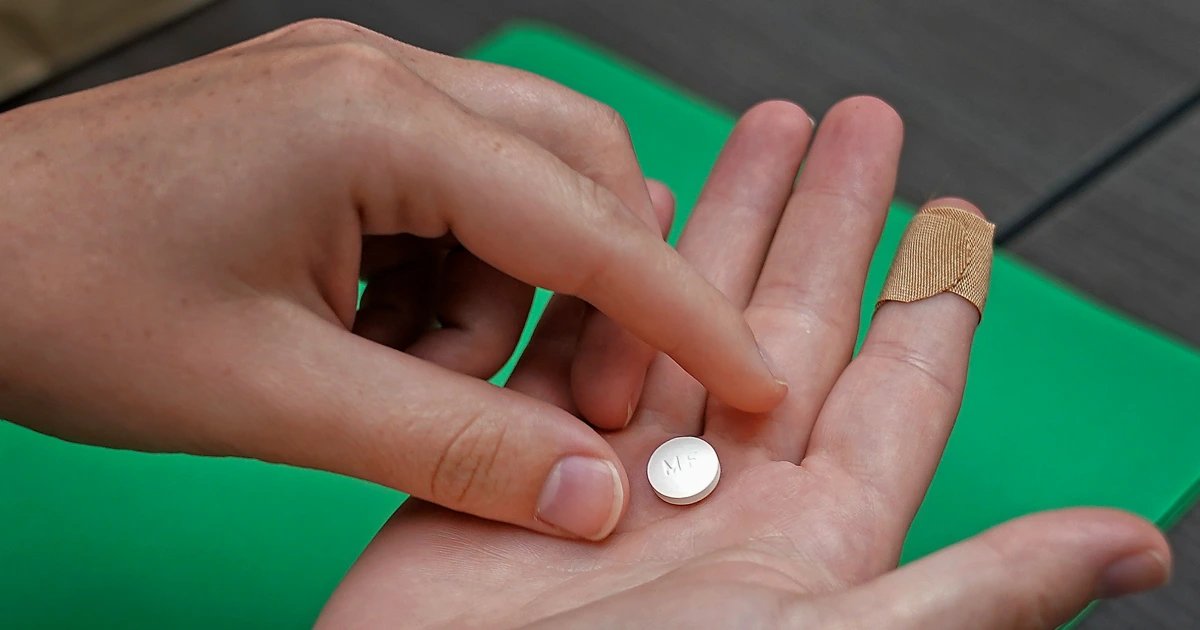
A federal appeals court on Friday granted the state of Louisiana’s request to reinstate a nationwide requirement that abortion pills be dispensed in person. The ruling represents a victory for opponents of abortion rights, since it limits access by blocking people’s ability to obtain mifepristone — one of the two pills used in medication abortions — through telehealth and by mail.
Subscribe to read this story ad-free
Get unlimited access to ad-free articles and exclusive content.

Telehealth prescriptions have been key to maintaining abortion access in states that outlawed or restricted the practice after the Supreme Court overturned Roe v. Wade in 2022.
“Anti-abortion politicians have just made it much harder for people everywhere in the country to get a medication that abortion and miscarriage patients have been safely using for more than 25 years,” Julia Kaye, senior staff attorney for the Reproductive Freedom Project of the ACLU, said Friday in a press release.
During the Covid pandemic, the Food and Drug Administration temporarily eliminated a requirement for mifepristone to be dispensed only in clinics, medical offices and hospitals. The change was then made permanent in 2023.
Louisiana challenged that FDA regulation in federal court last year, alleging that the data to support it was flawed or nonexistent. Multiple studies have shown that mifepristone is safe and effective when taken at home after a consultation with a clinician.
Medication abortion accounts for more than half of all abortions in the U.S.
In January, the FDA requested in court that Louisiana’s lawsuit be paused until the Trump administration finished conducting its own safety review of mifepristone. A district court judge granted that request last month, and also denied a request from the state of Louisiana to reinstate the in-person dispensing requirements while the case plays out.
Louisiana appealed the decision to the Fifth Circuit, which ruled Friday in its favor.
“The district court agreed that Louisiana was likely to win its challenge to the mifepristone regulation and was suffering irreparable harm from it,” Circuit Judge Stuart Kyle Duncan wrote in the panel’s opinion. “Nonetheless, the court declined to stay the regulation based on its balancing of the equities and the public interest. Louisiana appealed to our court and sought a stay pending appeal. We grant the stay.”
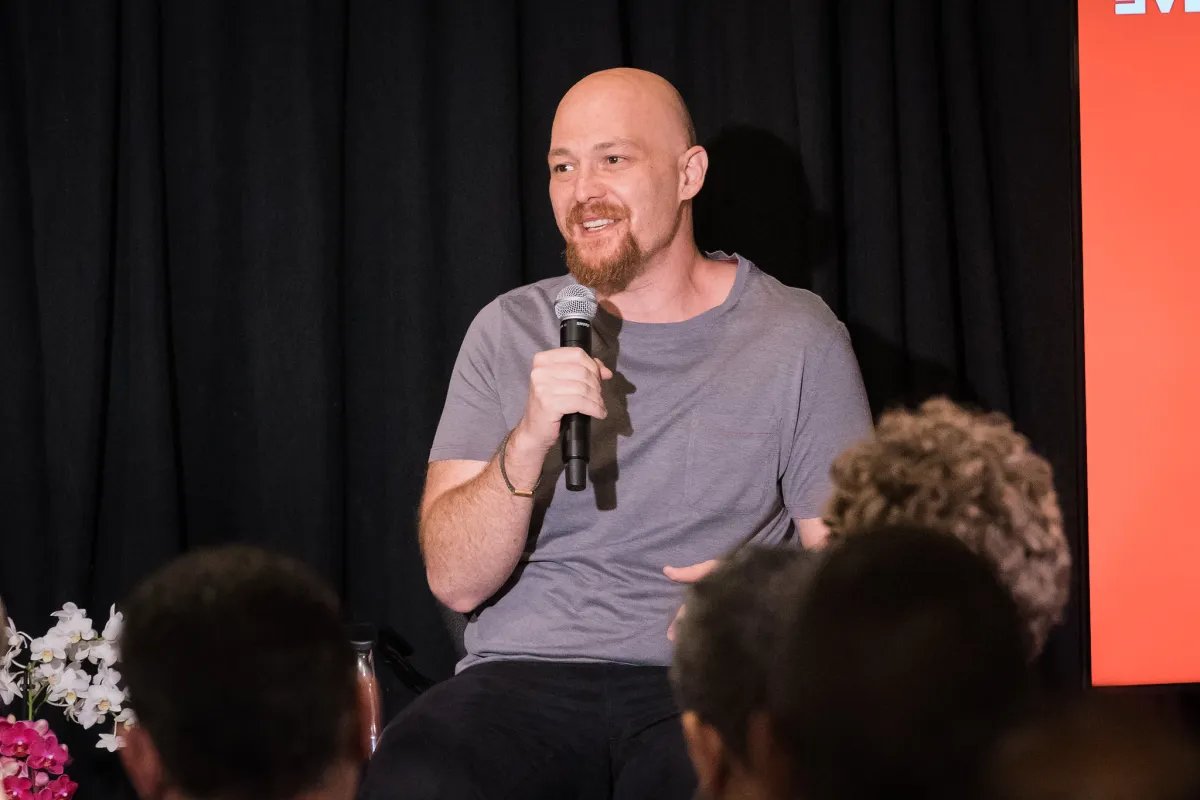
Evan Masingill, CEO of GenBioPro — a pharmaceutical company that manufactures a generic form of mifepristone — said the company is committed to making mifepristone available and accessible to as many people as possible.
“We are alarmed by this court’s decision to ignore the FDA’s rigorous science and decades of safe use of mifepristone in a case pursued by extremist abortion opponents. We are reviewing the court’s order in detail,” Masingill said in a statement.
Alexis McGill Johnson, CEO of Planned Parenthood Action Fund, also said in a statement that the organization’s health centers “remain committed to providing abortion care where legal.”