dailynewsnblog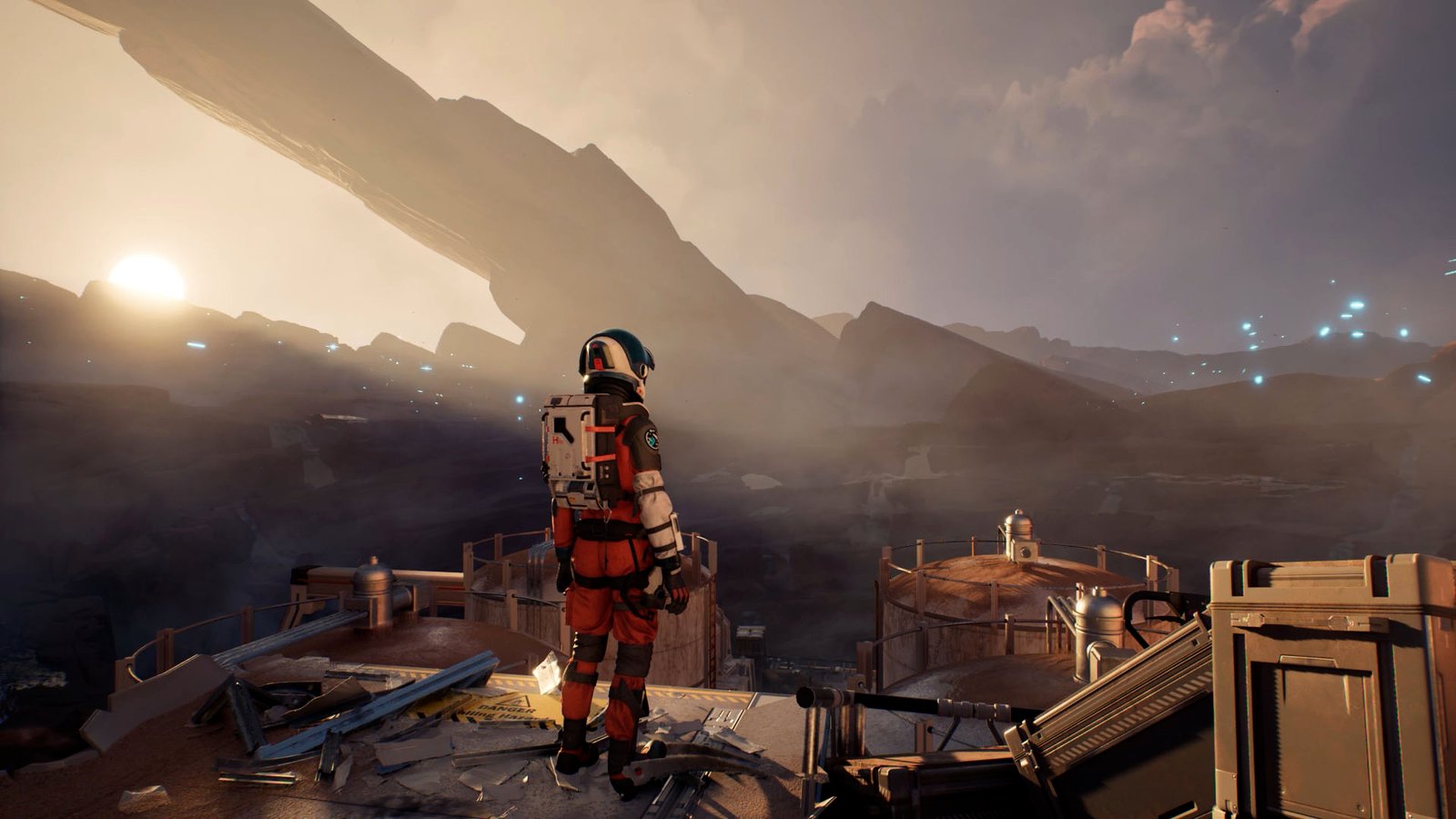
Aphelion is out tomorrow, and my colleagues (Kevin England, Sound Designer, and Mathieu Fiorentini, Senior Sound Designer) and I wanted to talk about one of the highlights of the game: music and sound design.
Music and Emotion
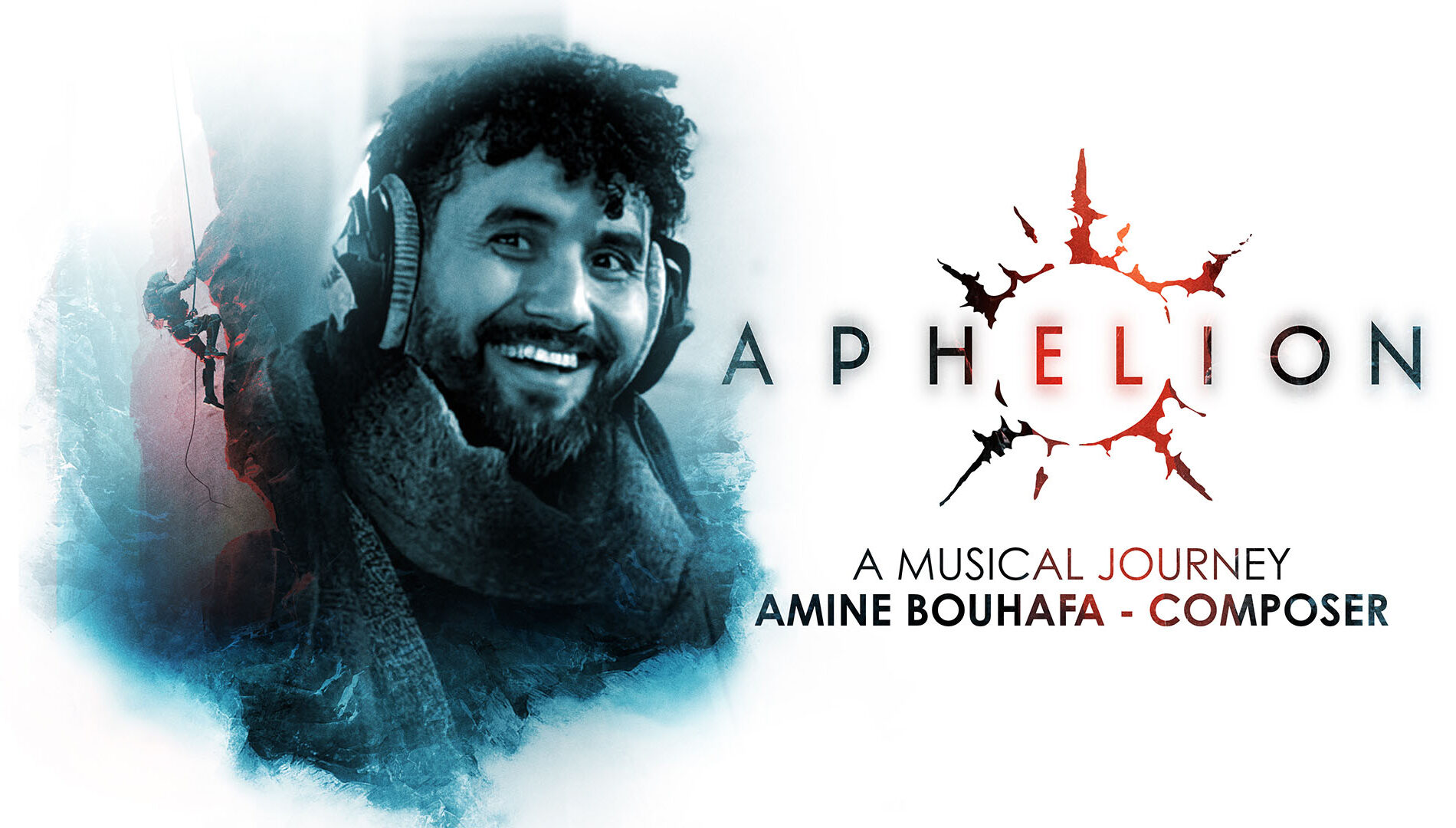
For the music, we chose Amine Bouhafa as the composer for the game’s original score. He was our top choice due to the richness of his musicality and because we specifically wanted a composer from outside of the video game industry.
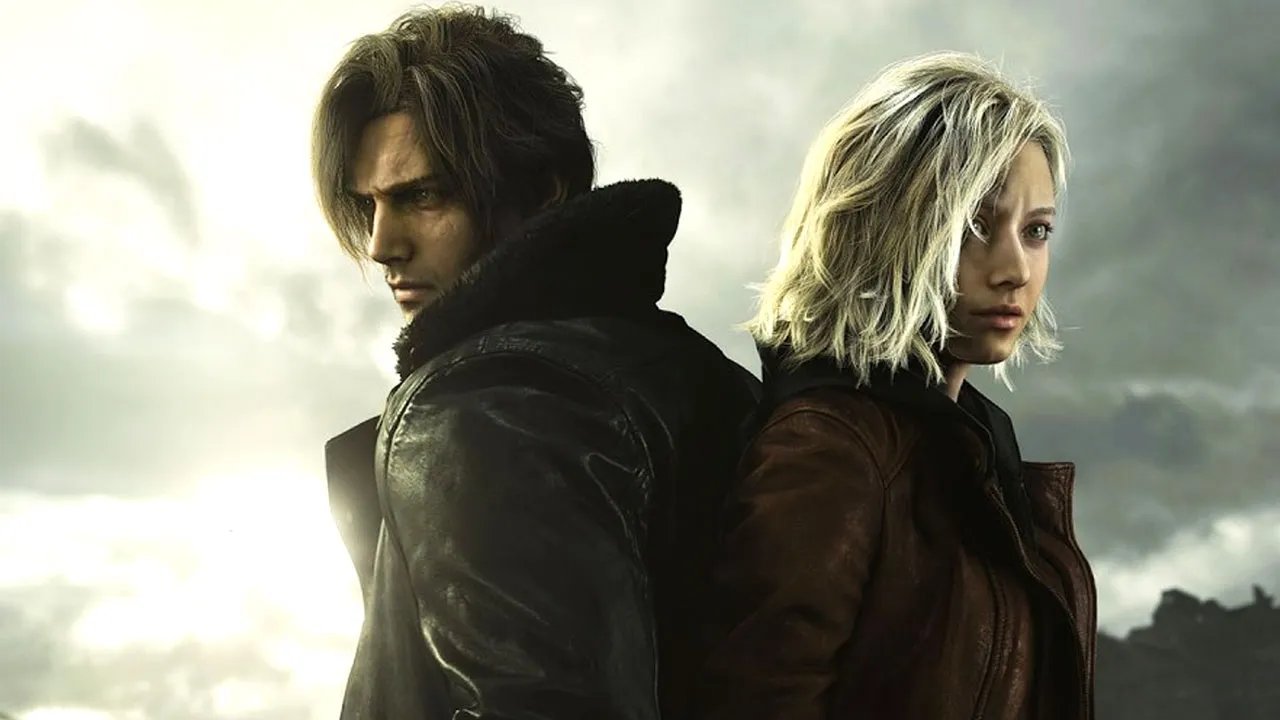
In most games, music is often used as a form of gameplay feedback – for instance, to convey a particular game state. For Aphelion, however, our intention was to have a more narrative and emotion-driven approach to music. Its primary role was to carry and express these emotions consistently throughout the game, through its themes and compositional language, while also highlighting the relationship between the two characters, Ariane and Thomas. Amine brought a personal and distinctive perspective to the project, rather than focusing on a single feature or theme.
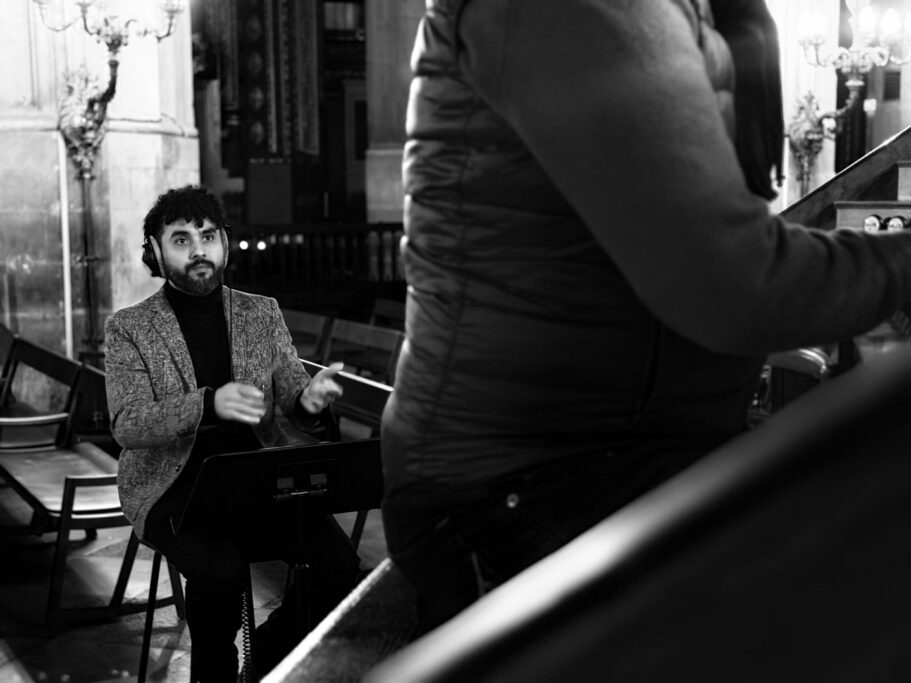
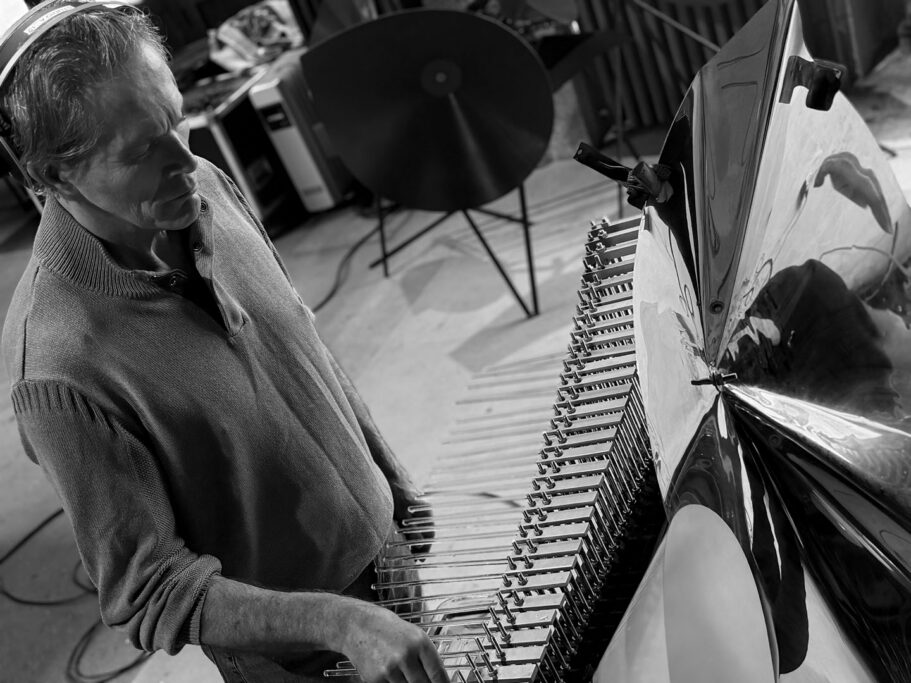
He also succeeded brilliantly in one of the game’s major challenges: composing music for gameplay sequences. Unlike cinematic scenes – where the process closely resembles film scoring – writing music for gameplay requires balancing musical composition, narrative, and gameplay rhythm simultaneously. This is significantly more complex during gameplay: once the music begins, both the narrative elements (dialogue, environmental storytelling, etc.) and the musical structure evolve independently as the player progresses.
On one hand, the music must be sufficiently developed to convey emotion; on the other, it must avoid becoming repetitive or monotonous for the player. And the more one seeks to tightly control how music evolves alongside player actions, the more it must be broken down into smaller, reactive loops. While effective from a systemic standpoint, this approach often constrains musical expression and can weaken its emotional resonance.
For Aphelion, we made the deliberate choice to preserve the integrity of the musical writing, allowing it to unfold more naturally – even during gameplay. Rather than synchronizing music to specific events, as in cinematic sequences, the score accompanies the player’s journey in a more organic way, subtly shaping the emotional tone of the experience. For example, there’s a specific moment in Chapter 9 when Ariane triggers dialogue about Thomas as she walks down into the Quarry. We decided to trigger a very long music composition, which keeps playing no matter what the player does.
This approach brought a new level of depth to several sequences, some of which had previously felt overly extended before the integration of music.
The Sound of Loneliness
When it comes to sound design, we defined several audio pillars during conception. They served as our reference and compass throughout the production of the game.
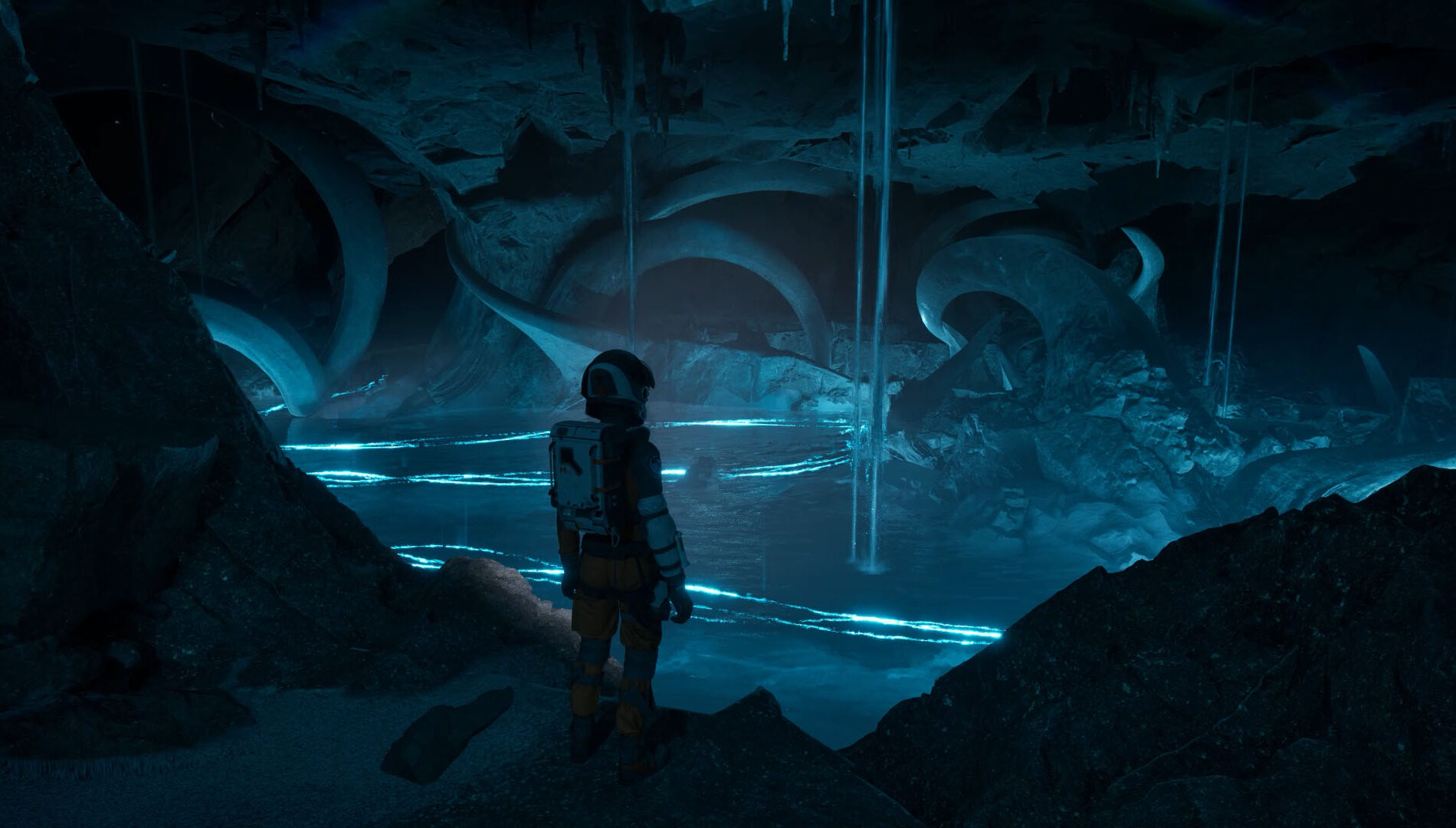
First, we wanted to shape the game audio experience to bring a feeling of loneliness and isolation, since Ariane and Thomas are separated by the crash and must navigate their own paths to survival on this planet at the edge of the solar system. Silence is a very simple but powerful way to emphasize this. Music integration is another powerful way to emphasize loneliness. As an emotional guide, the music brings context and feedback to the player somehow. On the contrary, facing the unknown without any music will bring emptiness.
We also gathered a lot of movie and game references during the conception. “Arrival” (Denis Villeneuve, 2016) has always been one of the strongest references for the audio of Aphelion, especially for the sci-fi sound design vision. We wanted to get away from the traditional audio direction for sci-fi (equipment, electronic noises, etc.) and build the most natural soundtrack as possible, as Aphelion is a narrative character-driven game. This choice relegates the technological aspect and highlights what is most important in Aphelion: the characters, the story, and the emotions.
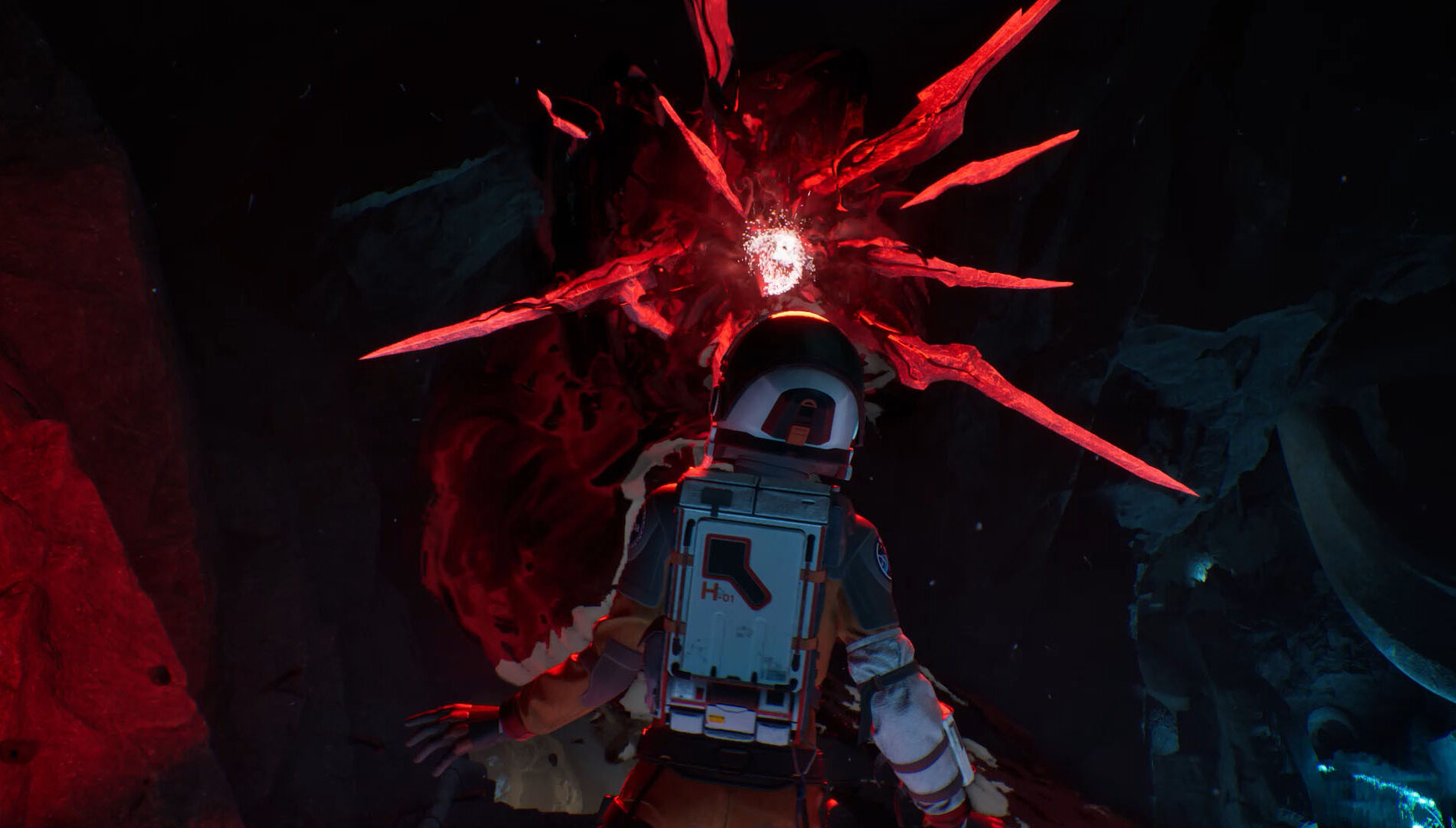
Again, “Arrival” was an important reference for one of the biggest sound design challenges of the game: the Nemesis. This hostile and unknown lifeform required special attention, as it is blind and relies heavily on sound to navigate its environment. Initially, all we knew was that it needed to feel both threatening and unsettling. The goal was to create something eerie and alien, while still maintaining a grounded sense of realism. To achieve this, we combined heavily processed synthetic sounds with more organic textures, such as squeaking glass, cracking vegetables, and animal recordings like dolphin and sea lion calls. Another key aspect of the creature’s vocal range is its use of echolocation. By using rhythmic and syncopated patterns, we were able to clearly communicate its behavior, and whether it is roaming, searching, or attacking.
We all hope that you will feel the tension facing the Nemesis and enjoy exploring Planet 9th with your ear as well as your gamepad!
Aphelion is available on April 28 on Xbox Series X|S, Xbox on PC, and Xbox Cloud. It is an Xbox Play Anywhere title and is available on Game Pass right now. We really hope you enjoy your journey on Persephone! For more Aphelion content, follow Don’t Nod on X, Instagram, and TikTok.
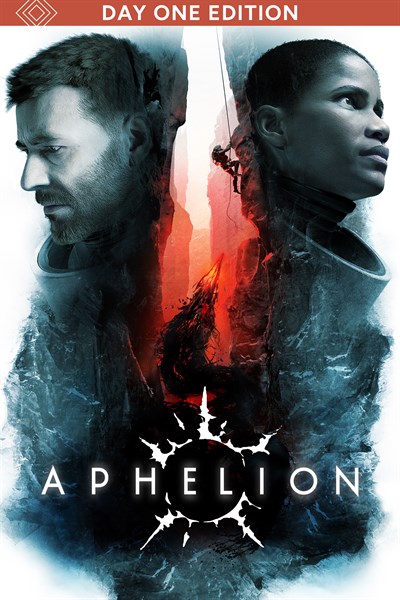

Aphelion DAY ONE Edition
DON’T NOD
$34.99
$31.49
Aphelion Day One Edition includes the full game and exclusive cosmetics:
. Backpack sticker: Lost Records: Bloom & Rage – Eyeball
. Backpack sticker: ESA – Friends in High Places
. Backpack sticker: Jusant – Climber
. Backpack keychain: Lost Records: Bloom & Rage – Three-eyed Cat
. Backpack keychain: ESA – Hope-01
. Backpack keychain: Jusant-Ballast
. Space Pioneer – ESA alternative suit
. Space Hero – a suit worthy of a space opera
You can select your cosmetics through the main menu at the start of the game.