dailynewsnblog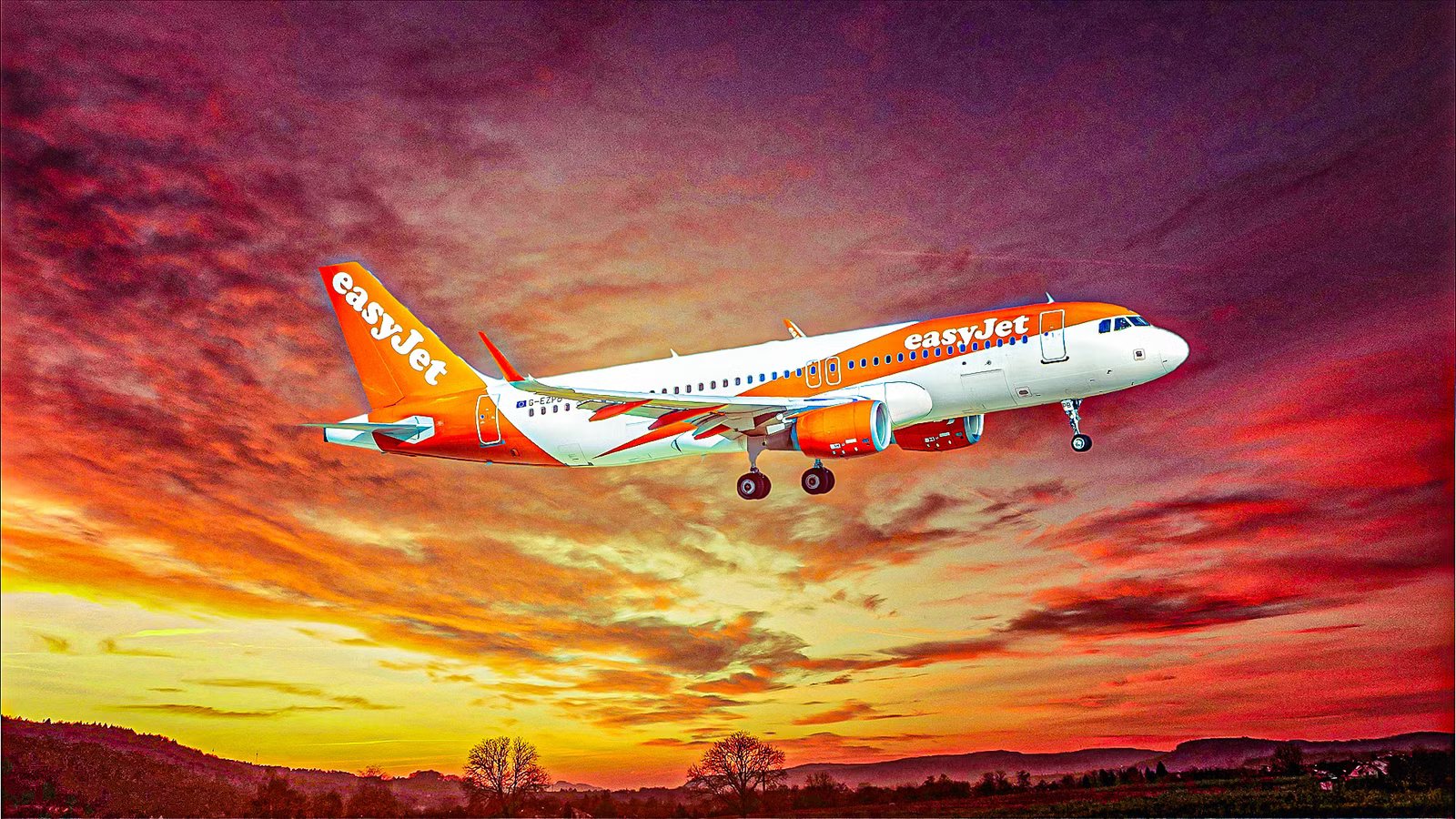
This summer, easyJetannounced it was cutting between 600,000 and 700,000 seats from its winter schedule. Now, it has revealed a cut of an additional 700,000 seats. This is a substantial hit to the roughly 50 million seats usually offered by easyJet during the winter season, which runs from October to the end of March. The 700,000 seats are the equivalent of two full days of flying.
Like many other airlines around the world, easyJet will have felt forced to make the cuts due to the ongoing crisis in the Middle East, which has sent jet fuel prices roaring upwards. However, these costs shouldn’t have come as a surprise to easyJet. The International Air Transport Association (IATA) warned that airlines will spend an additional $100 billion on fuel in 2026, as reported by The Independent.
The Cuts Will Reduce The Use Of More Expensive Fuel

Every airline has a combination of hedged and unhedged fuel supplies. Hedged jet fuel supplies are purchased according to longstanding contracts, with costs being far less volatile depending on price fluctuations. Carriers top up this supply with unhedged fuel, which is more closely tied to oil prices.
EasyJet’s CEO Kenton Jarvis spoke with the Financial Times, suggesting that considerations of this dynamic led to the cuts. He said that easyJet will now be able to “reduce its use of more expensive fuel” across the winter. However, while easyJet saves money, its customers will have fewer flights to choose from. A spokesperson for easyJet told Simple Flying:
“Like all airlines, we review our schedule on an ongoing basis and sometimes make some changes. The changes to our winter flying represent a tiny proportion of our flying programme. We make any changes in advance and typically choose multi-daily frequency flights so customers can easily move to an alternative flight.”
EasyJet Has Also Been Cutting Entire Routes From Its Portfolio

Over the past 20 months, easyJet has been pulling back on some of the routes it offers, perhaps suggesting something more is at play than a short-term capacity cut. The table below shows the full list of the six airports cut since January 2025. It makes use of data collected by Simple Flying’s James Pearson.
End Month | Destination | Served Since When? | Total Number Of easyJet Routes (with at least four departures) |
|---|---|---|---|
January 2025 | Milan Bergamo Airport (BGY) | 2021 | 6 |
November 2025 | Stockholm Arlanda Airport (ARN) | 2008 | 12 |
March 2026 | Istanbul Airport (IST) | 2023 | 2 |
September 2026 | Harstad/Narvik Airport, Evenes (EVE) | 2025 | 2 |
October 2026 | Oslo Airport, Gardermoen (OSL) | 2018 | 7 |
January 2027 | Leeds Bradford Airport (LBA) | 2010-2017 and then from 2021 | 6 |
However, it has also been noted that the capacity previously used for these airports had been redeployed elsewhere. Initial flight plans for 2026 showed a record number of seats available on easyJet flights at 105 million.
Other European Budget Carriers Are Responding In Kind

EasyJet is far from the only carrier that has needed to reduce its capacity to maintain profitability during the current fuel price crisis. Ryanairhas announced plans to cut its target traffic for FY27 by two million passengers amid reports of jet fuel trading at $140 per barrel. The new traffic level for the year up to March 31, 2027, will be 214 million customers. Ryanair claims that the decision will cut its winter losses by up to $81 million (€70 million) to $116 million (€100 million).
These cuts are another case of reducing reliance on unhedged fuel supplies by prioritizing the highest yield flights. The airline has 80% of its fuel supplies hedged at $67 per barrel, with a further 15% at $85 per barrel. Moves like these are helping Ryanair to keep up with its profit targets. The airline expects FY27 to be another profitable year, although it is unlikely to reach the record of $2.52 billion (€2.17 billion).