dailynewsnblog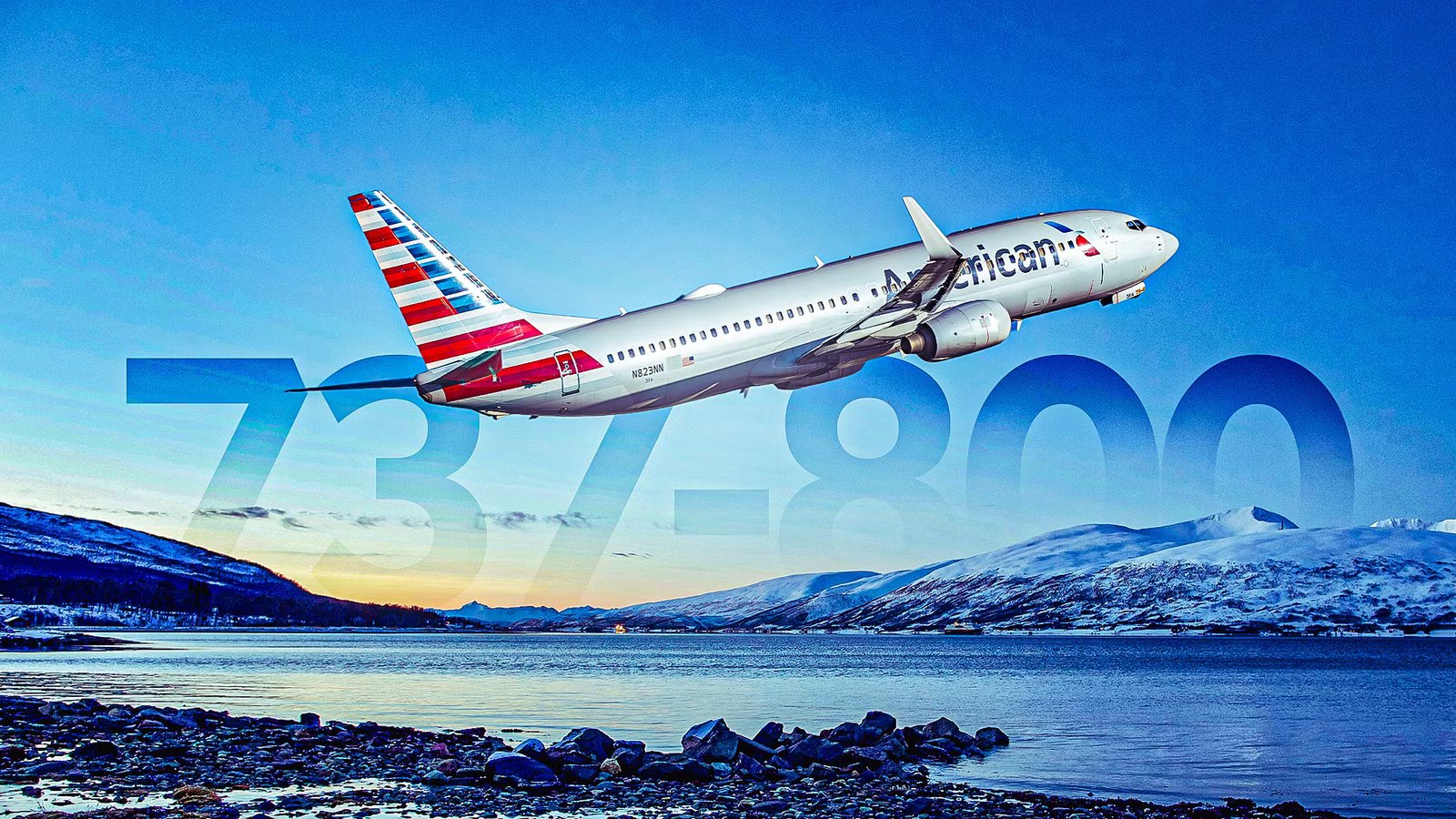
 American Airlines flight 392 failed to take off while it was moving at approximately 140 mph down the runway at
  LaGuardia Airport(LGA) on Thursday morning. The crew believed that they had experienced a bird strike during the takeoff roll, but upon inspection after returning to the terminal, there was no sign of impact.
The Federal Aviation Administration had a brief ground stop following the apparent bird strike for the general safety of flight of all traffic around LGA. According to ABC 7 News, it was determined that the abundance of caution was ultimately a false alarm and operations resumed with the Boeing 737-800. As shown on Flightradar24, tail number N942AN later returned to service as well.
Post-Abort: A Tough Day For Tail N942AN

AA392 eventually departed from LaGuardia after a brief delay and safely arrived at its destination in Chicago O’Hare International Airport (ORD). However, that was only after the maintenance technicians performed a thorough inspection of the airplane to confirm that there was no damage that could potentially pose a risk to the next flight. Of course, the first step is visual inspection, but when there’s no apparent damage to the jet’s skin, technicians begin inspecting other vital areas.
The engine is one of the most important places on an airliner that is subjected to intense scrutiny following any suspected bird strike. Every single fan blade is given a thorough inspection of the leading and trailing edges for any deformity. If there is any doubt at all, a borescope is used to peer inside the engine core. Using this camera, maintenance can see the internal compressor blades, combustion chamber, and other internal components to confirm their condition.
The crew will investigate for any signs of harm to the landing gear and its hydraulic lines, as well as check the tires and brakes. In a case like AA392, this is also an important phase of post-abort checkups as the brakes are subjected to intense pressure after bringing the jet to a stop at such a high speed. The tires and thermal fuse plugs are inspected to ensure that they have not lost their integrity, in case they may explode on the next sortie, while thermal imaging guns are used to evaluate the temperature of the entire assembly.
Making The Tough Call On The Flight Deck Of AA392

Another notable hazard of the incident on Thursday morning was the speed at which the pilots were forced to abort their takeoff. Canceling take-off at 140 mph is very risky in and of itself because slowing the plane down from ‘decision speed’ can also cause an accident.
A fully loaded 737-800 can weigh up to 174,000 pounds (79,000 kg). That is an immense amount of mass to bring to a stop after it has already reached a speed that is almost fast enough to get it into the air.
Standard aviation training dictates that once an aircraft passes V1, or decision speed, pilots should only abort for severe emergencies like an engine fire. Yet, the danger of a bird strike in the terminal area is very severe, so for the safety of the plane and all the souls on board, it is still best to remain on the ground if at all possible.
The Greater Danger In The Air: Flight 1760

A recent case that illustrates the increased hazard of a bird strike while airborne was American’s own flight 1760 in August out of Myrtle Beach Airport (MYR). Another 737-800, the jet, had just rotated to go airborne when it hit a flock of birds. Forced to lift off from Runway 18, it immediately began to experience surging engine power.
The left engine caught fire almost instantly, forcing the crew to declare a mayday. Following emergency protocols for single-engine operations, the pilots stabilized the 737. The crew executed a wide loop over the coast, and brought the aircraft back down at Myrtle Beach after 36 minutes.
Emergency fire trucks put the plane on the runway as a precaution, but the plane was able to safely taxi to the gate under its own power with zero injuries reported. Thankfully, both recent flights ended safely, but each case illustrates why pilots constantly train to be prepared for every possible emergency to keep flyers safe.