dailynewsnblog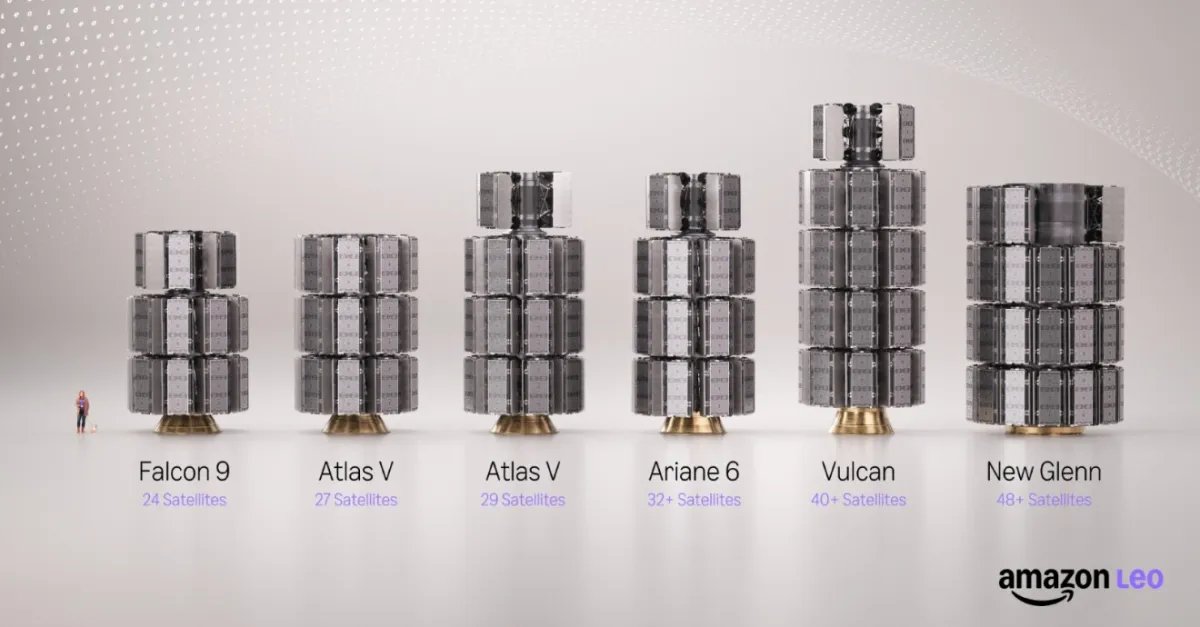
Amazon says it now has enough satellites operating in low-Earth orbit to light up its Starlink internet competitor. With last night’s launch, Amazon Leo has 396 satellites deployed, which is “enough to support continuous service across initial latitudes,” according to Chris Weber, VP heading up business and product for Amazon Leo. That puts the company on track to meet its “mid-2026” target for commercial availability. Just don’t expect miracles on day one.
SpaceX went live with its “Better than nothing beta” back in 2020 when it had almost 900 satellites operating in low-Earth orbit. It initially served a narrow band of users in the upper US and Canada, who complained about frequent service interruptions and high sensitivity to obstructions, with speeds between 50Mbps and 150Mbps, and latency from 20ms to 40ms. By 2022, the service and coverage areas had already dramatically improved.
Early adopters of Amazon’s Leo service can expect the same initially, with future satellite launches helping to improve performance, increase capacity, and expand global coverage.
SpaceX currently has over 10,000 Starlink satellites in operation, providing robust internet connectivity on land, sea, and air in over 160 countries. Performance varies by the dish, service level paid for, time of day, and location of the user, but we’re now talking 200Mbps median download speeds, 10Mbps to 40Mbps uploads, and latency hovering around 25ms.
It’ll be years before Amazon can boast similar performance numbers as it continues to launch a planned 3,232 Leo satellites. Right now it’s well behind schedule, in part due to Jeff Bezos’ struggle to get Blue Origin’s reusable New Glenn launch vehicle into regular operation.