dailynewsnblog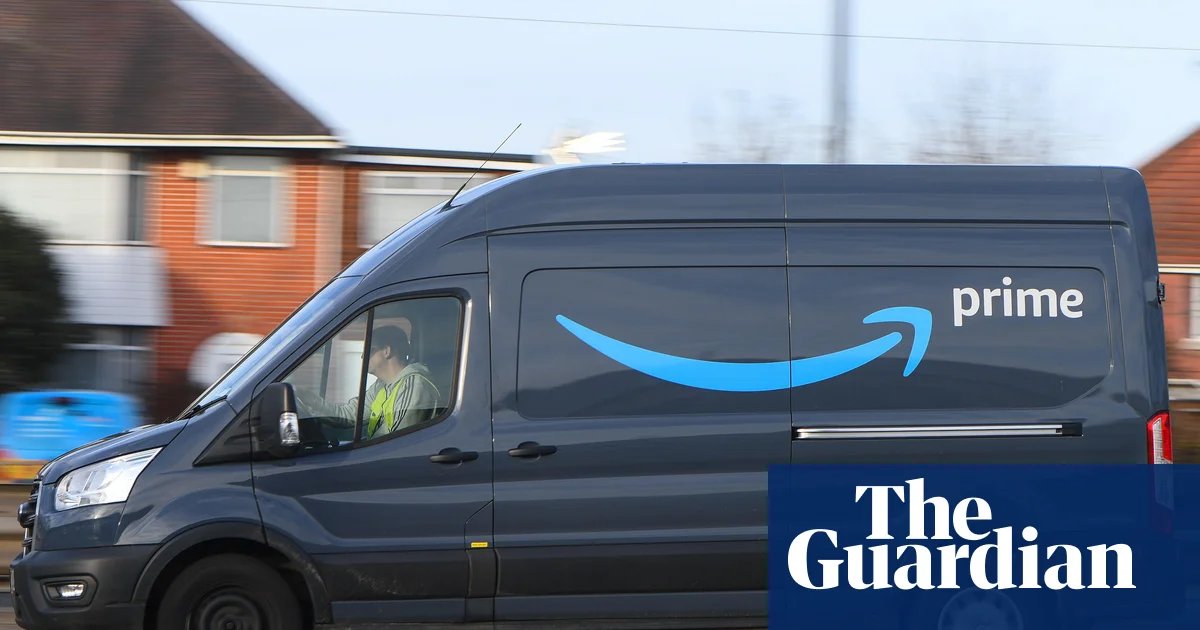
Amazon is expanding fast-track deliveries in the UK, including adding fresh fruit and vegetables to same-day services, after closing its standalone grocery stores.
The firm said it would expand Amazon Now, its ultra-fast delivery service that already delivers goods in less than 30 minutes to parts of London, to also serve Manchester and Birmingham this year.
It will also extend same-day delivery services to Ipswich and Coventry and enable shoppers in London to add fresh groceries to same-day deliveries, a service that has been trialled in the US.
Shoppers will be able to add fruit and vegetables, meat, poultry, seafood, dairy, bread, eggs and frozen foods to the same basket as other groceries in tins and packets as well as multiple other products from fashion to DIY kit.
The service will be available in parts of central and east London initially, with plans to expand to additional postcodes and more areas across the country in the coming months.
John Boumphrey, the UK country manager for Amazon, said: “We’re focused on making grocery shopping easier and faster for customers, with low prices on millions of items.”
He told the Guardian that the new home-delivery services would enable Amazon to “scale more broadly and faster” than the standalone stores, with grocery still “a category we want to play in”. Five of the 19 former Amazon Fresh stores are being turned into new Whole Foods outlets.
“Not everything we do works but we are always going to learn from it,” he said.
The same-day grocery service will be an additional free option for those signed up to the Amazon Prime subscription service, who get free same-day delivery on orders worth more than £20. Those without a Prime membership pay a £5.99 delivery fee regardless of basket size.
Amazon, which last year booked sales of about £32bn in the UK, about 10% up from £29bn in 2024, has said it will invest £40bn in the UK over three years from 2025.
It is overhauling its approach to the grocery market in the UK, with a stronger focus on its Whole Foods business, after closing its Amazon Fresh hi-tech “just walk out” stores last year.
Despite its scale, Amazon has found it tough to compete with major players such as Tesco, Sainsbury’s and the online grocery specialist Ocado’s joint venture with Marks & Spencer.
Amazon announced last autumn that it planned to double the number of Prime subscription members in the UK with access to at least three of its grocery options, through partnerships with Morrisons, Iceland, Co-op and Gopuff, and would sell more fresh groceries via its site.
It is increasing use of robotics in its warehouses, including machines that can be guided using AI-empowered voice controls, to help enable the fast-track deliveries.
Amazon’s Darlington fulfilment centre has begun trialling drone flights, as the town becomes the first location in the UK to trial its Prime Air delivery service.
Boumphrey said AI and robots were “not taking jobs but changing the nature of work”, with more demand for engineering skills to maintain the equipment, design robot routes around warehouses and oversee safety, for example.
He said Amazon continued to take on about 1,000 apprentices a year in the UK but that it was clear there was a “national crisis” around the number of young people not in education, training or employment, and that industry and government needed to work together to change that.
“I am not sure the education system we have today is producing young people ready for the world of work,” Boumphrey said, suggesting employers needed more skills in communication and problem-solving. He suggested more work experience would be helpful in preparing young people for work and that the government should consider making it mandatory.