dailynewsnblog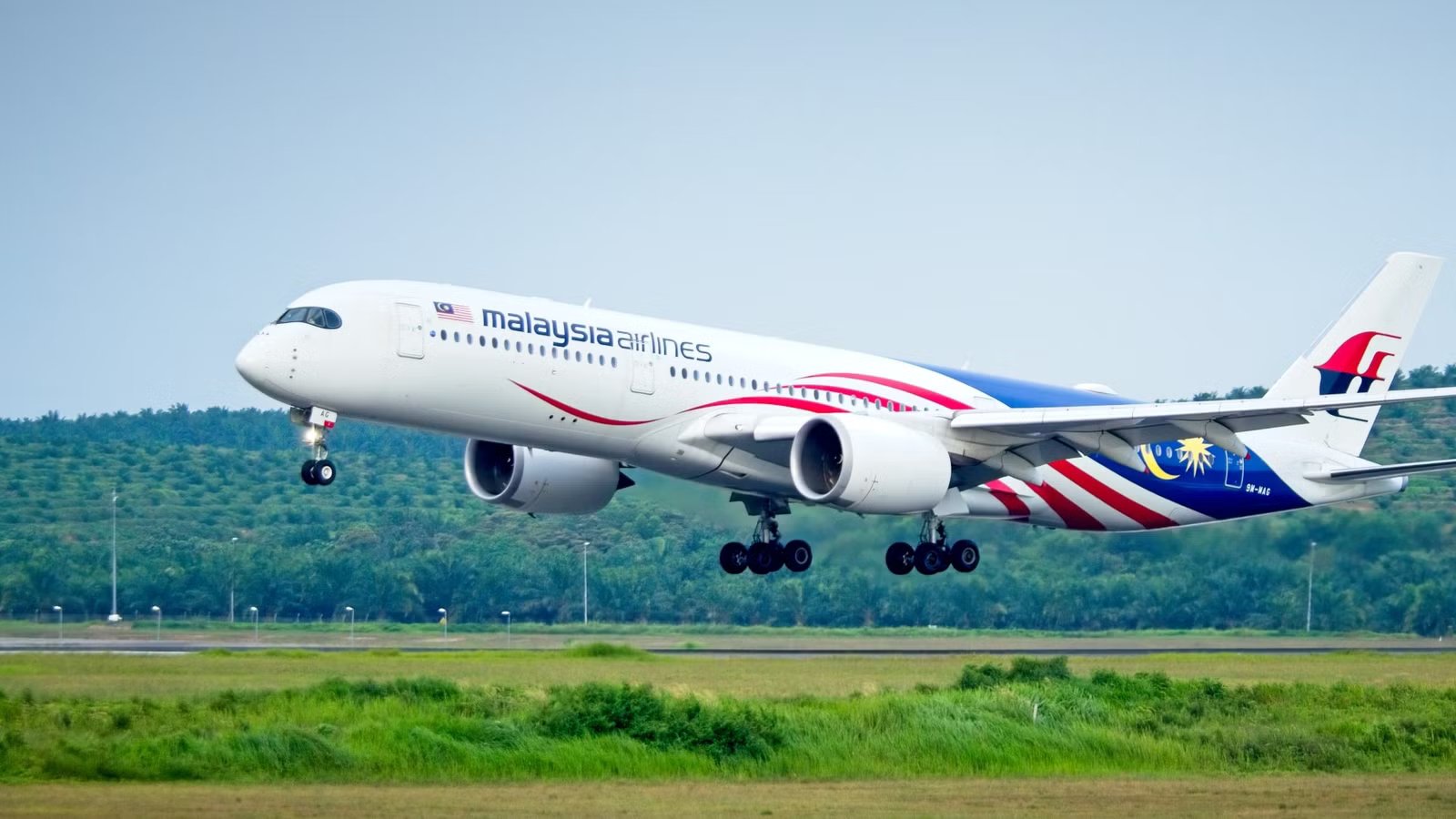
A Malaysia Airlines pilot was recently arrested in Indonesia after they were found to be smuggling drugs into the country. With the event having serious safety and reputational ramifications for not just the airline but, indeed, the commercial aviation sector in Malaysia as a whole, authorities are working hard to ensure that the incident is not repeated. Most recently, mandatory drug testing is being rolled out.
As part of this initiative, airlines based in Malaysia have 30 days to conduct drug tests on all of their pilots and cabin crew, based on programs approved by the Civil Aviation Authority of Malaysia. This will also allow airlines to review the current testing programs and feed back to the authorities on their effectiveness. Malaysian carriers will also carry out more random drug tests going forward as a result.
A Quick Turnaround

As noted by the New Straits Times, Malaysian aviation authorities have given the country’s airlines 30 days to conduct drug tests on every single member of their active flight and cabin crew teams. Norazman Mahmud, the Chief Executive Officer of the Civil Aviation Authority of Malaysia, explained that these carriers “have also been instructed to revise their testing methodologies and protocols where necessary.”
These policies are being rolled out as part of a wider program in the aftermath of the recent scandal whereby a Malaysia Airlines pilot was arrested in Indonesia for drug smuggling. Mahmud said that “airlines must submit a declaration of compliance to CAAM detailing the results of the comprehensive drug testing programme, summaries of random testing conducted, [and] corrective actions taken.” He added:
“As part of the immediate measures, every Malaysian Air Operator Certificate holder must conduct drug testing on 100% of active flight crew and cabin crew under their CAAM-approved ADTP.”
The News Follows A Major Smuggling Scandal

The commercial aviation sector in Malaysia was rocked at the end of last month by the news that a 39-year-old Malaysia Airlines pilot had been arrested in Indonesia for drug smuggling. According to reporting on the matter by Channel News Asia, the pilot was arrested on July 28 after 26 kg (57.32 lbs) of ecstasy/MDMA was found in his luggage. He was also found to have a small amount of methamphetamine.
The incident took place at  Jakarta Soekarno Hatta International Airport (CGK), to which Malaysia Airlines flies from its main hub at Kuala Lumpur International Airport (KUL) in Sepang, Malaysia. Compounding the already serious situation was the fact that, at the time of his arrest, a urine sample conducted on the pilot also found that he was under the influence of methamphetamine, MDMA, and cocaine.
While the aviation authorities in Malaysia have given the country’s carriers 30 days to complete their drug testing programs, Malaysia Airlines itself is expecting to complete this process quicker. Indeed, in a statement released last week, it said that its pilot testing was expected to be completed by August 15, with pilots who have not been tested by then being unable to operate further flights until cleared.
Random Tests Will Also Increase Going Forward

While the 30-day mandatory test deadline will be a good way of establishing if there are wider drug-related problems in the commercial aviation sector in Malaysia in the shorter term, long-term action is also required. With this in mind, the Civil Aviation Authority of Malaysia has also instructed its airlines to “increase unannounced random alcohol and drug testing” going forward, to retain standards.
This, Mahmud says, will play a particularly important role “during night operations, extended duty periods, public holidays and other higher-risk operational environments identified through their safety risk assessments.” He adds that “reasonable-suspicion testing whenever behavioural, physical or operational indicators suggest possible impairment” will also be encouraged to a greater degree going forward.