dailynewsnblog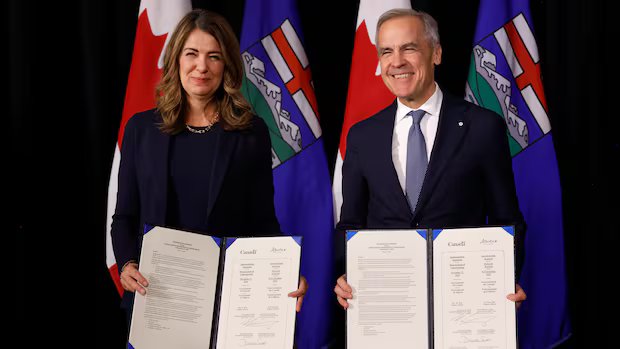

Listen to this article
Estimated 4 minutes
The audio version of this article is generated by AI-based technology. Mispronunciations can occur. We are working with our partners to continually review and improve the results.
The targeted timeline the Alberta government set out for construction to begin on a potential new West Coast oil pipeline is ambitious, with many obstacles yet to clear, analysts at CIBC World Markets wrote in a recent report.
The province aims to submit a proposal to the federal major projects office by July 1, have it designated a project of national interest by Oct. 1 and get shovels in the ground as early as Sept. 1, 2027.
Oil could begin to flow around 2033 or 2034, a provincial official told a media background briefing last week.
“While we are encouraged by the continued sense of urgency, we would characterize these timelines as optimistic and reflective of a best-case scenario,” analysts Robert Catellier and Rogan Anantharajah wrote in a Monday industry update.
The Alberta government laid out those targets Friday after it and Ottawa finalized one of the last outstanding elements of the energy accord they signed late last year: an agreement on how the market price on carbon is to gradually increase to $130 a tonne by 2040.
The last remaining side-agreement to sew up is between the province, federal government and a consortium of industry players represented by the Oil Sands Alliance on funding the multibillion-dollar Pathways carbon capture project. Under the federal-provincial memorandum of understanding, Pathways is a precondition for the pipeline and vice versa.
The Alberta government is spearheading the pipeline application, as so far no private-sector player has emerged to shoulder the risk and cost.
Top pipeline executives are, however, advising the province on the technical aspects of its proposal, including routing options. A national-interest designation would mean a speedy approval process via the federal major projects office established last year.

“While some pipeline companies remain open-minded to participating in the related pipeline project, several conditions remain outstanding to provide the necessary conditions to support the enormous investment in production, [carbon capture and storage] and the pipeline, but this is certainly incremental progress,” the CIBC analysts said of the carbon price deal.
The goal of the pipeline is to ship up to one million barrels per day of oilsands crude to the West Coast, more than doubling the volumes currently able to reach Asian markets through the existing Trans Mountain pipeline to the Vancouver area.
The Alberta government has expressed a preference for a northern port option, given the shorter shipping distance to Asia.
In addition to the Pathways question still dangling, also outstanding are negotiations with British Columbia, consultations with Indigenous peoples and clarity around the ban on oil tanker loading on the northern B.C. coast.
On Friday, B.C. Premier David Eby, a coalition of coastal First Nations and several environmental groups reiterated their staunch objection to a potential lifting or easing of the tanker ban covering a large section of ecologically sensitive coastline.
ATB Financial chief economist Mark Parsons wrote in a note Friday that the added clarity around the pipeline construction timelines sends a positive signal and “should add pressure” to get it done.
ATB estimates that Pathways and additional pipeline capacity — planned expansions to Trans Mountain and a whole new West Coast pipeline — could together add an average of 1.1 per cent to Canada’s real GDP and 5.1 per cent to Alberta’s real GDP between 2027 and 2035.
“If executed, this is by far the largest upside to our Alberta forecast, and a material upside to our Canadian outlook,” Parsons wrote.