dailynewsnblog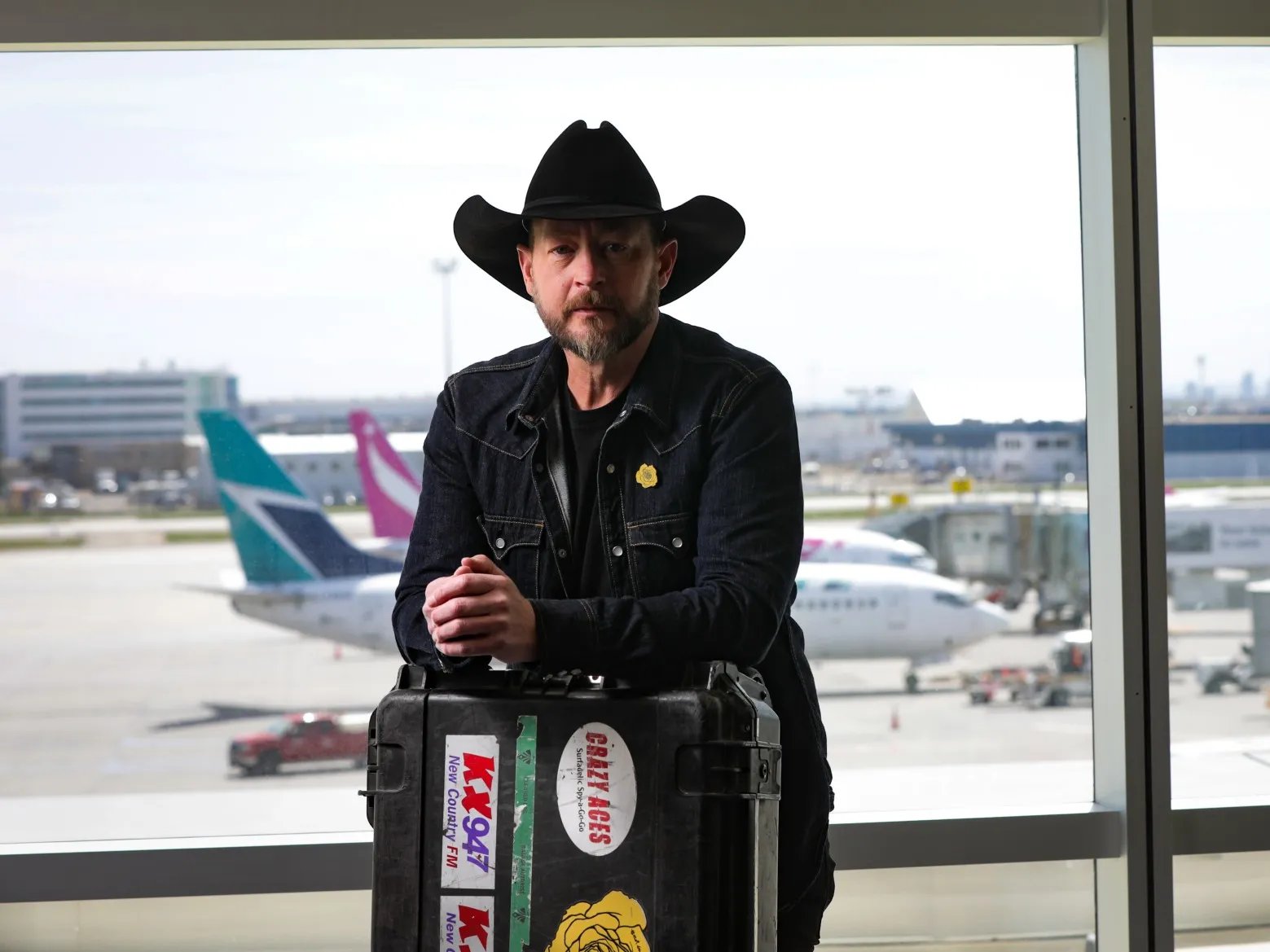
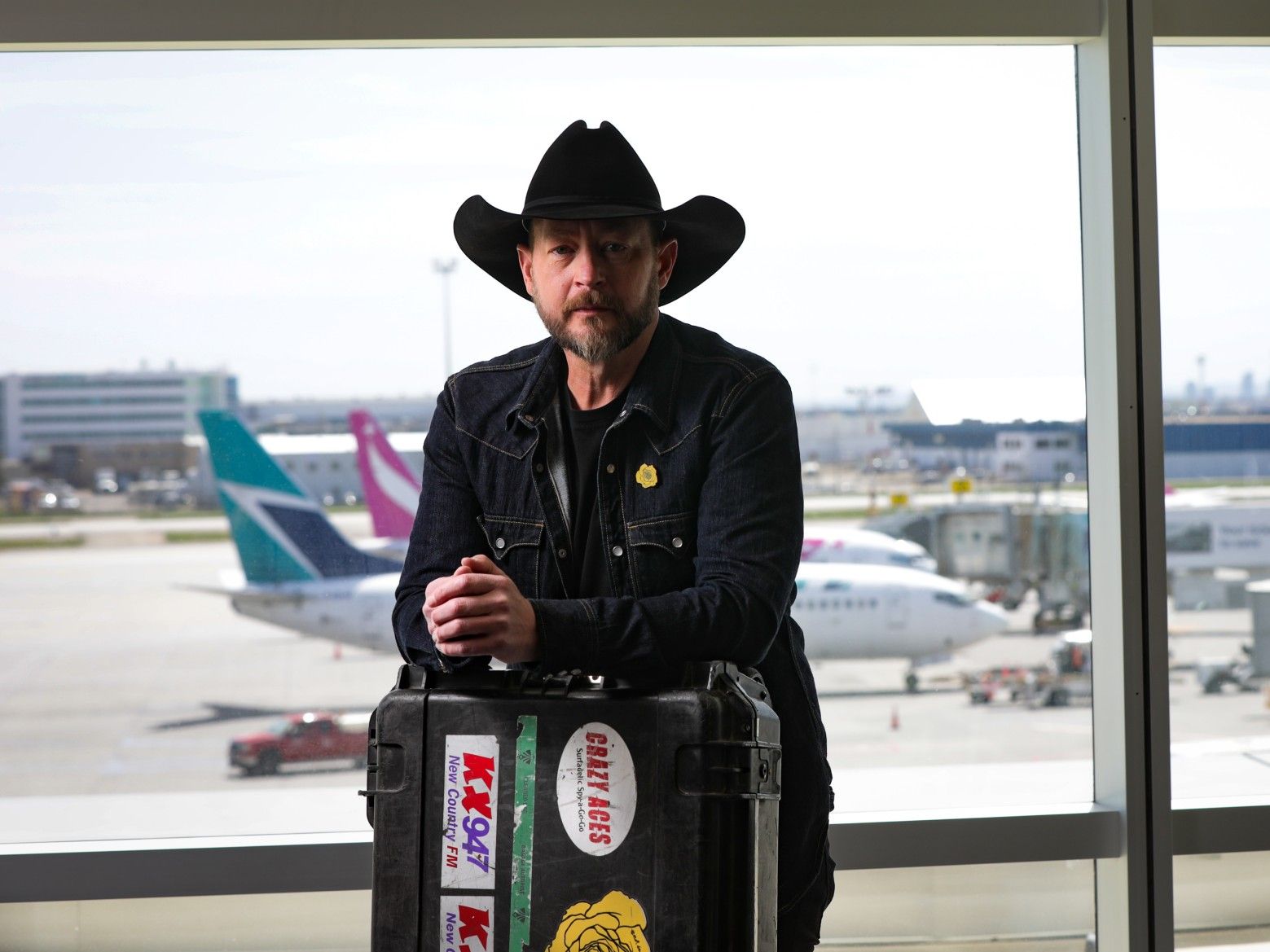
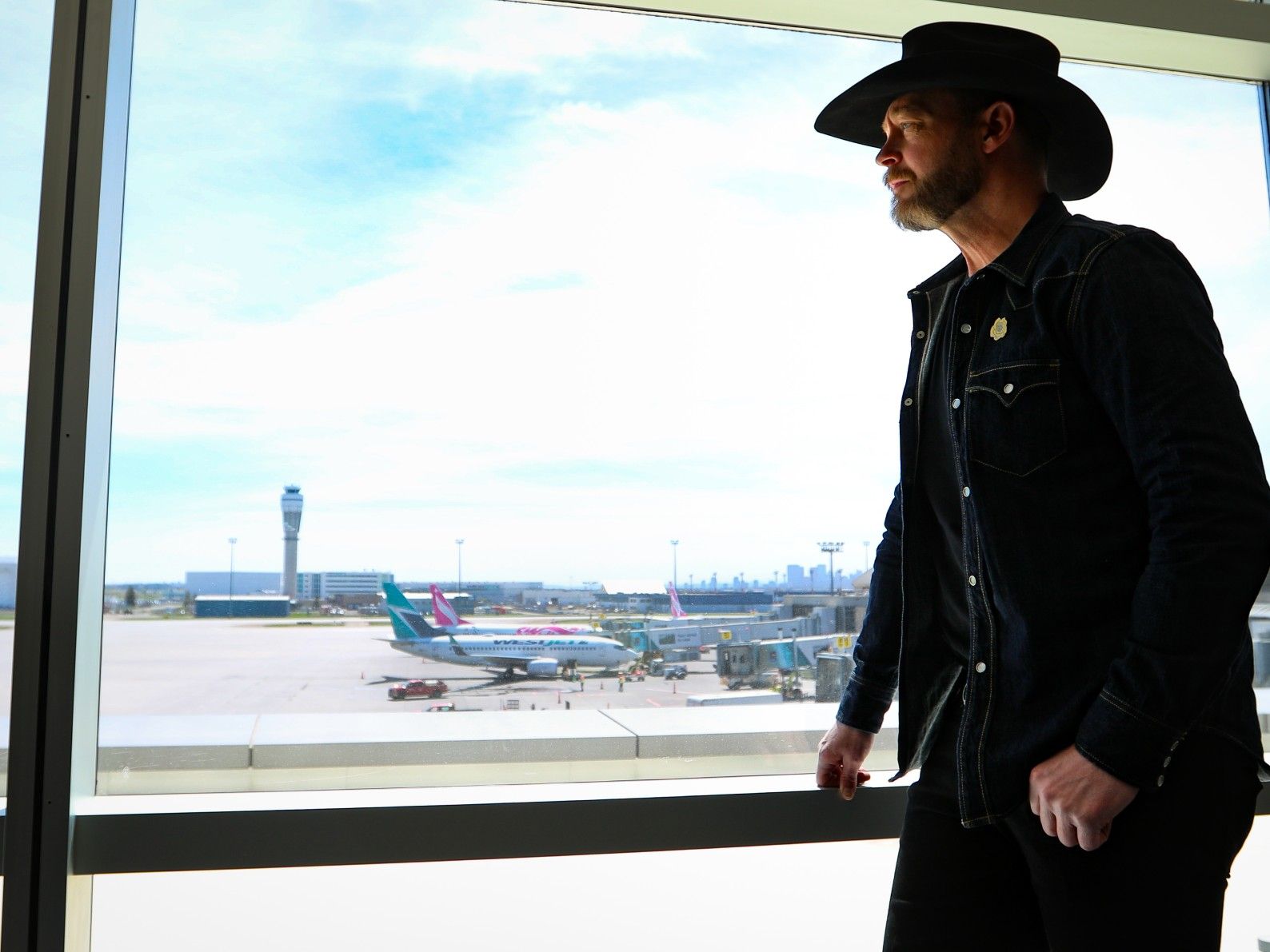
CALGARY — In his signature Smithbilt hat, buckle and boots, Alberta country and western music star Paul Brandt strolls into a boardroom at Calgary International Airport, $12,000 guitar in tow.
While he certainly looks the part of a multi-platinum recording artist, he’s not here to talk about his latest album, upcoming tour or anything to do with his music.
The one thing on his mind is how, he says, Canada is failing its most vulnerable with lax enforcement against child sexual abuse and exploitation.
The Supreme Court of Canada’s decision last fall to strike down mandatory one-year sentences for accessing child sexual abuse material, and the lack of a swift response from the federal government, has been consuming him.
He sees the decision as an affront to everything Canada should stand for.
“If there’s ever a time for us to come together as Canadians, it’s by standing up for protecting kids. And, right now, we’re dropping the ball,” says Brandt, frustration slipping through his familiar baritone voice.
Brandt says the decision, coupled with a general lack of consequences for high-risk sex offenders, sends a signal to child sexual predators around the world that Canada is open for business.
“Child sexual abuse materials are the marketing department of human trafficking,” says Brandt. “So, if you wanted to advertise to pedophiles that there’s a great place where you can go, Canada’s looking pretty good right now.”
He’s not embellishing. In July, Quebec’s top appeals court struck down mandatory one-year sentences for distributing child sexual abuse material, citing the Supreme Court decision as precedent.
After the top court’s decision, Brandt appealed unsuccessfully to Ottawa to use the notwithstanding clause to restore the mandatory sentences.
Brandt, the most awarded male Canadian country artist of all time, and a 2017 inductee into the Canadian Country Music Hall of Fame, isn’t your typical celebrity on a soapbox. He’s spent two decades advocating against human trafficking, logging countless hours with survivors, law enforcement officials and experts on the issue.
It’s a passion that has grown, over time, into a busy second job. Brandt was appointed in 2020 to lead Alberta’s first human trafficking task force and now serves as co-chair of the Alberta Centre to End Trafficking in Persons . He balances these duties with running his own anti-trafficking charity, Not In My City , alongside his wife Liz.
And it’s a cause that has also led to some unwelcome attention, including his first experience, earlier this year, with being cancelled.
“Independence in my veins”
It was a Jan. 24 social media post that thrust Brandt into the middle of an emotional debate over Alberta’s future in Canada.
The post showed Brandt walking across a crosswalk with lyrics from his 2005 single Alberta Bound in the foreground. A highlighted line in the middle of the frame reads, “Yeah, I’ve got independence in my veins.”
The song had previously been tied to the early 2022 anti-COVID measures protests at the Coutts-Sweet Grass border crossing in southern Alberta. One line in the song references crossing the border at the “Sweet Grass sign”.
But Brandt’s January social media post, coming amidst a drive for an independence referendum, fuelled speculation that he was sending a coded message of support to the separatist side.
Brandt dodged questions about the post’s subtext but said in a follow-up post that he wished “that people cared as much about the fight against child exploitation in (Canada) as they do about a song lyric that was written in 2004.”
Two weeks later, Brandt was conspicuously removed as a speaker at an Edmonton teachers’ convention. He says he was originally invited to the Alberta Teachers’ Association-sponsored event to discuss a human trafficking awareness and prevention course he runs through Not In My City.
Organizers declined to say why Brandt was taken off the speakers’ list, but the timing of the move drew suspicion — and condemnation.
Alberta Premier Danielle Smith, who four months earlier had used the notwithstanding clause to put down a teachers’ strike led by the union, was quick to call out the snub.
Smith said in a social media post that she was “immensely disappointed” with Brandt’s dis-inviting, accusing the union of politicizing his non-partisan work of “standing up for the victims of sex trafficking.”
Brandt says the blowback to the social media post came as a “total surprise” to him. Now, having had months to reflect on the blowup, he admits that Alberta separatism is a much “hotter discussion point” than he’d understood at the time.
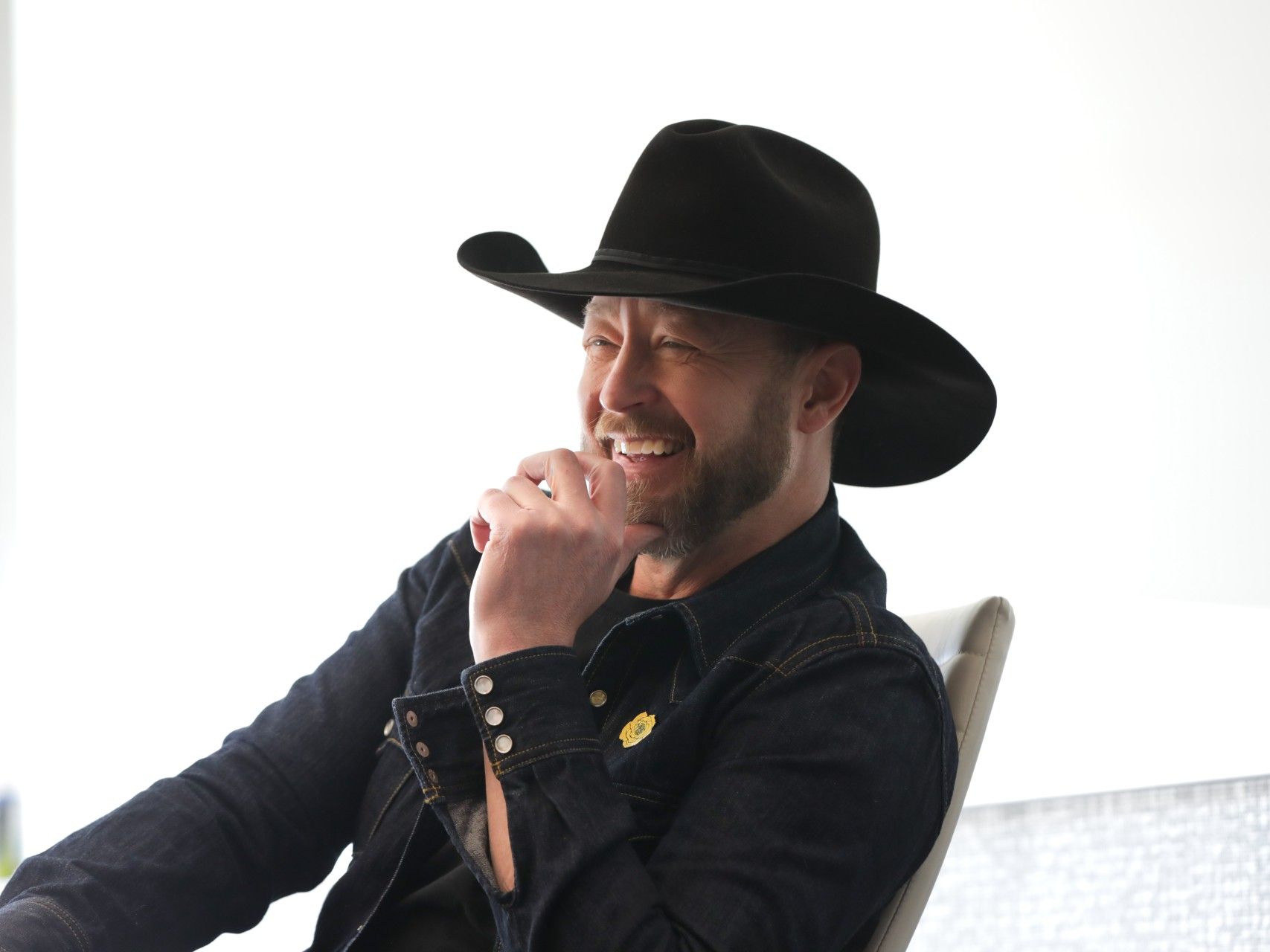
Edmonton talk show host Ryan Jespersen, who interviewed Brandt at the height of the controversy, says that he was visibly uneasy with the media scrutiny.
“I asked him, when he came by the studio, if he was uncomfortable to see his name in the headlines like this, and he sort of chuckled and laughed and said any attention is good attention,” recalls Jespersen. “But it sort of felt like he didn’t really believe what he said at that time. Like it clearly did make him uncomfortable.”
Jespersen said that being swept up in a debate over Alberta’s future in Canada clashed with Brandt’s longstanding “nice guy” image.
“For everything (Brandt’s) been, or people see him as, he’s never been seen as, like, a jerk, or someone who uses his platform to divide people. So, I think it came as a shock for him to be at the heart of such a polarized and partisan thing,” said Jespersen.
On the matter of national unity, Brandt says that his activism is ultimately an expression of his Canadian patriotism.
“You know, I love this country. I love it deeply. And I want to see it unite in a way that is impacting and protecting children in a way that they need to be protected,” says Brandt.
Brandt takes on Ottawa
Brandt got far less media coverage last November, when he met with federal Justice Minister Sean Fraser to voice his concerns about what he saw as weak deterrence and insufficient criminal penalties for sexual predators who target children.
The 45-minute virtual meeting took place just days after the Supreme Court issued a controversial 5-4 decision striking down mandatory minimum one-year prison terms for accessing child sexual abuse material.
In her majority opinion , Justice Mary Moreau relied on a hypothetical scenario: an 18-year-old being forwarded a single “sext” originally sent by his friend’s 17-year-old girlfriend. This example overlooked the far more serious facts of the two actual cases before the Court, both involving abuses of children under the age of 10.
Brandt hoped to persuade Fraser to use the notwithstanding clause to reinstate the mandatory sentences but says the justice minister was unreceptive to the idea. In fact, he recalls not seeing eye-to-eye with Fraser at all during the call.
“There’s nothing that (Fraser) said to me where I went ‘yea, that makes sense,’” says Brandt. “I think that we are completely opposed on the direction we need to be taking.”
Brandt still believes that the notwithstanding clause, which allows legislatures to temporarily override parts of the Charter for up to five years, should have been used right away to protect children while new legislation was being drafted.
The federal government has never used the notwithstanding clause, although several provinces have.
A senior Liberal source, who did not want to be named, said that it would look awkward for Fraser to invoke the notwithstanding clause to restore penalties for child sexual abuse material while leading a court challenge of Quebec’s use of the clause in its secularism law.
The Liberal government’s Bill C-16, which partially restores the one-year minimums while giving individual judges a “safety valve” to hand down lesser sentences, was passed into law in mid-June.
However, it could be months or longer before the new law is applied to sentencing, as courts will need to be trained on how to use it.
Justice Canada spokesperson Katelyn Moores said that the partially restored mandatory minimum penalties will apply to all offences committed after August 18, but didn’t give an estimate of when it would be used in sentencing.
Peter Copeland, acting director of domestic policy at the Macdonald-Laurier Institute, said it’s hard to know how the new law will ultimately impact sentencing.
“It could be that there are very few instances where (the safety valve) is applied or it could be relied upon often to lower sentences,” said Copeland.
“There is reason to think that it may be the latter, as courts have shown themselves willing to use race, sex, migration status and other factors to lessen sentencing outcomes,” he added.
Brandt once again returned to Ottawa virtually in April to speak before a Senate committee studying Liberal bail and sentencing reform , Bill C-14. He called it a “half-measure” that doesn’t do enough to keep children safe.
He choked back tears partway through his opening statement when referencing the case of Skye Atoa, an accused Lethbridge, Alta., child sex trafficker who was caught breaking the terms of his release less than 30 minutes after making bail in mid-January.
Atoa, then 50, was supposed to report to a halfway house, but police found him in the perfume aisle of a nearby store, in close proximity to a young female shopper.
Atoa had been originally charged with drugging, sexually assaulting and trafficking a 14-year-old girl and confining two other girls — aged 15 and 16 — in his apartment.
He was also charged in connection with a separate incident where a 24-year-old vulnerable female was sexually assaulted at his residence.
Brandt told the Senate committee that fixing Canada’s broken bail system is necessary for the “health and safety of Canadian society as a whole.”
He recommended that Parliament strengthen the bill by expanding the onus on those seeking bail to demonstrate they aren’t a threat to children and codifying all forms of human trafficking and child sexual exploitation as violent crimes for the purpose of sentencing.
His recommendations didn’t make it into the final draft of Bill C-14, also passed in mid-June.
With both Liberal crime bills now in the books, Brandt says he’s baffled that politicians and courts struggle to grasp what most Canadians understand intuitively. “If there was ever an opportunity to unify Canada, it’s by abandoning the half-measure approach these bills represent. Listening to victims, survivors and the public, and demanding restorative accountability is key.”
For proof the current approach isn’t working, Brandt points to the 204 per cent increase in police-reported human trafficking incidents over the past decade. Online child sexual exploitation has gone up by 347 per cent over the same period.
Line in the Cambodian sand
It was a visit to Cambodia in late 2004 that first opened Brandt’s eyes to the brutal realities of human trafficking and organized child sexual exploitation.
He and wife Liz had been invited to take a tour of the Southeast Asian country by a humanitarian organization. What they saw there changed both of their lives forever.
Brandt vividly remembers an encounter he had with a five-year-old girl who’d been sold into sexual slavery.
“She was being sold six to eight times a night to adult men,” recalls Brandt. “And when I met her, (human trafficking) went from this issue making a dent in my life to there now being a sense of personal responsibility.”
Liz, who’d been sexually assaulted at the age of seven, suffered a breakdown and episode of PTSD while in Cambodia. She needed to be medicated to fly back to North America.
Upon returning home, Brandt set out to educate himself about the prevalence of sex trafficking and child exploitation in Canada, and how to support survivors and potential victims.
“The cowboy hat gets me into a lot of rooms, so I started meeting politicians, thought leaders and changemakers in this space,” Brandt says.
But seeing how normalized child sexual exploitation was in Cambodia gave Brandt “a bit of a premonition” of the direction things go when people turn a blind eye to such heinous activities.
He and Liz both vowed to speak up if they ever saw Canada sliding down the same path.
“Our line, I think, was drawn in the Cambodian sand, when we saw a culture where routine child sexual abuse had become normalized almost to the point of invisibility,” said Brandt.
In an interview over the phone, Liz says that as a survivor of child sexual assault, she felt “personally insulted” when the Supreme Court struck down mandatory minimum penalties for accessing child sexual abuse materials.
“Decades after I was assaulted, I was still dealing with some of the after-effects of trauma. And for judges to think that a year is too harsh a penalty for the criminals who drive the demand for children to be victimized and revictimized? It’s just insulting.”
Not In My City
The Brandts launched anti-human trafficking organization Not In My City in July 2017. The group’s name grew out of brainstorming sessions Paul had with students at his alma mater, Mount Royal University, during a two-year stint as its storyteller-in-residence.
The Calgary-born Brandt had previously studied nursing at Mount Royal and spent two years in the early 1990s as a pediatric nurse at Alberta Children’s Hospital in Calgary.
“It was interesting, because as people awakened to the issue (of human trafficking) and realized that it actually was happening, they determined that it wouldn’t happen in their city,” said Brandt. “They used that phrase, ‘not in my city,’ and a movement was born.”
Starting as a community initiative in Calgary, the group is now a major resource hub serving the entire country. Notably, it offers a free online course on disrupting sexual exploitation and sex trafficking in Canada.
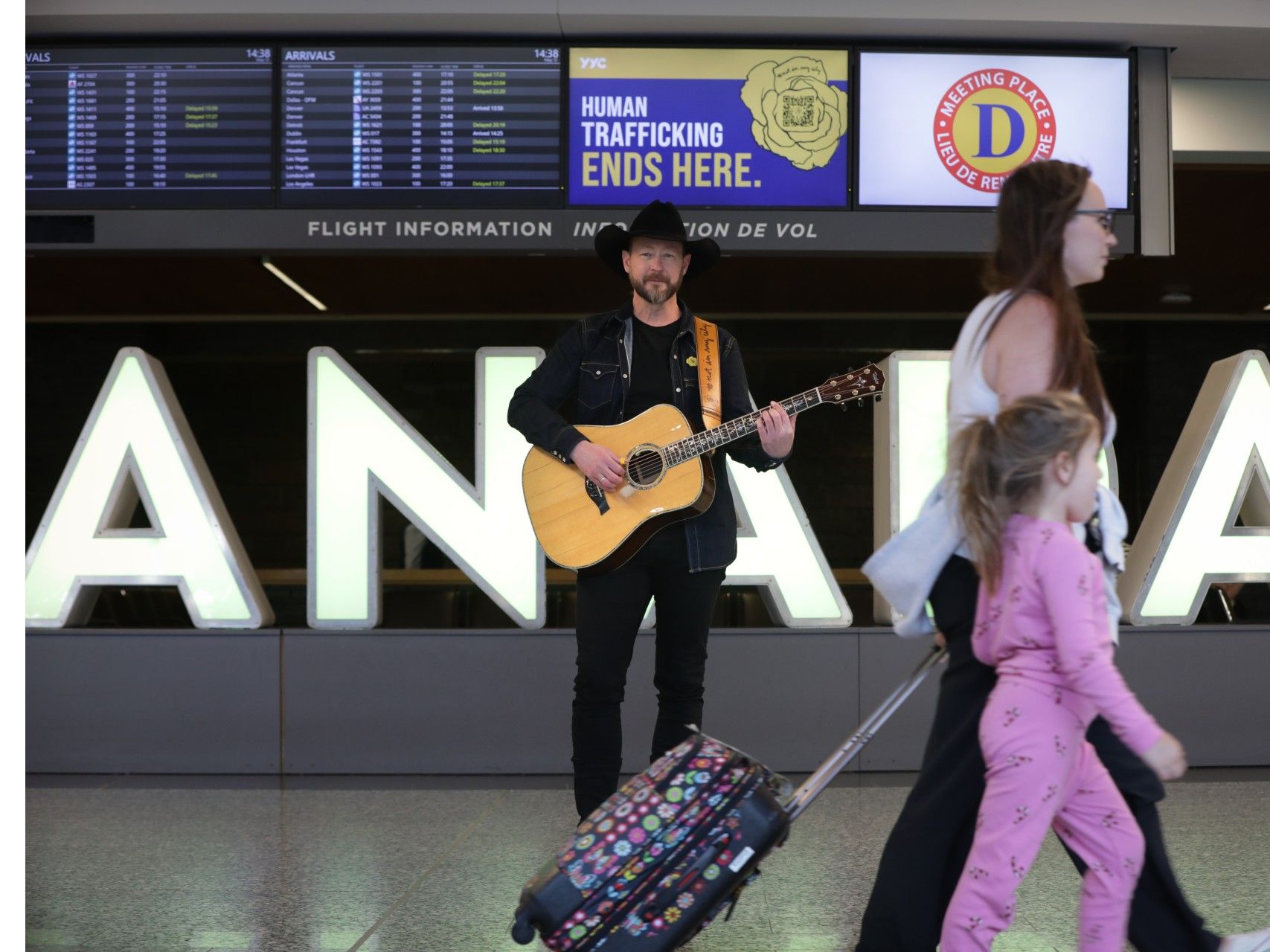
Calgary International Airport, the site of our interview, is one of more than 40 Canadian airports that have partnered with Not In My City to raise awareness of human trafficking and support workplace anti-trafficking training. Last year, more than 10,000 airport workers across Canada took the organization’s e-learning course.
Brandt tells me the story of a stopover at the nearby Fort McMurray, Alta. airport, where a screening officer ushering him through airport security recognized the charity’s yellow rose logo pinned to his lapel.
“She was literally rifling through my bag when she looked up and saw my yellow pin. And it just stopped her dead in her tracks,” he recalls.
“She told me that she’d taken our training a month ago and, two weeks ago, she’d spotted a (human trafficking) victim and knew what to do next.”
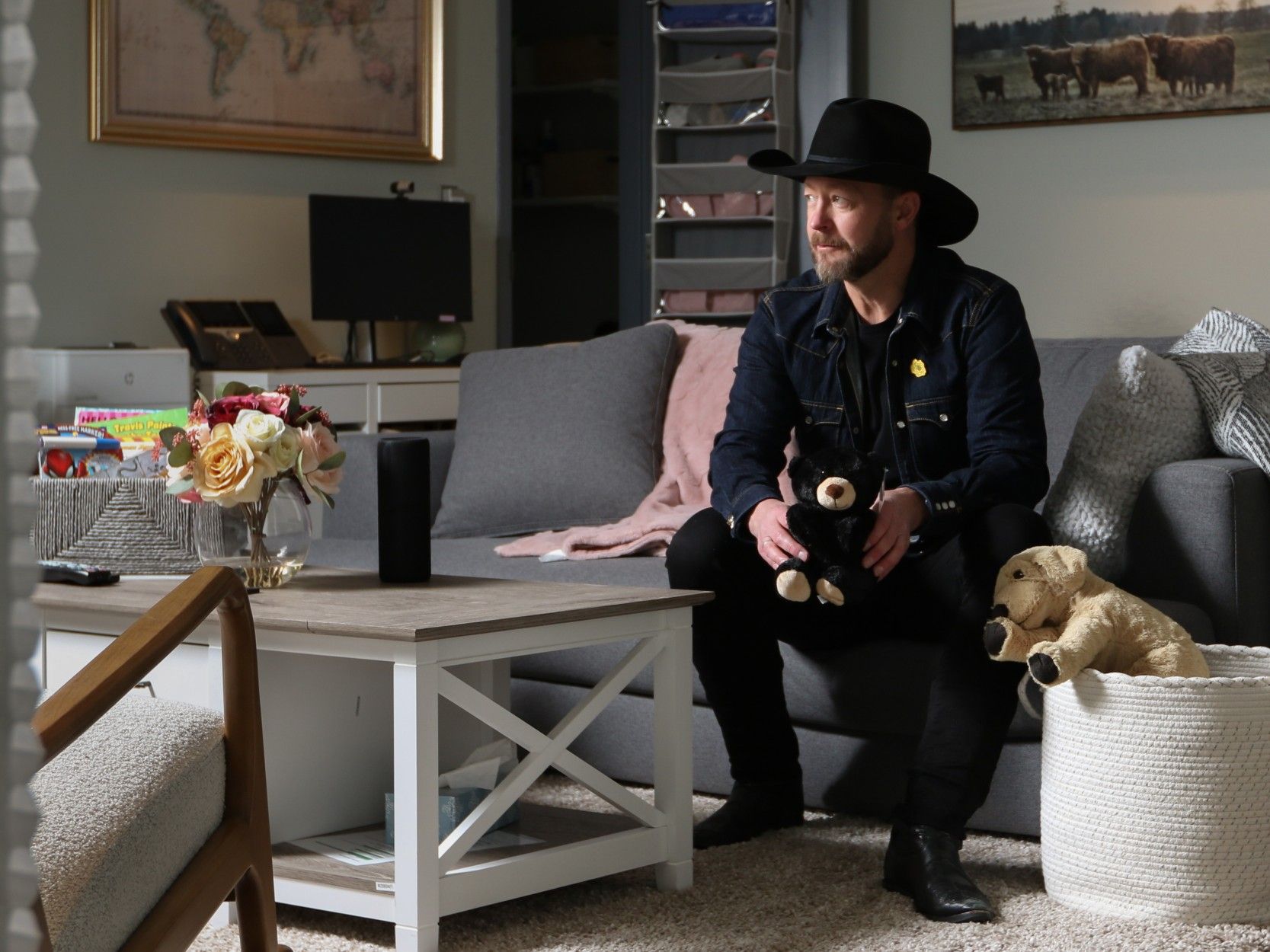
We tour Calgary airport’s “soft room,” the first room of its kind in Canada. Its purpose is to provide a secure and comforting space where those escaping trafficking can connect with law enforcement and community supports.
Furnished with a grey sofa, padded beige armchair and off-white throw pillows, it offers a fridge and pantry stocked with food and supplies, and a small office area. One detail is unsettling: a basket of colouring books and felt markers sits on the coffee table at the front of the room — a stark reminder of how young the people who might need this room really are.
The average age of recruitment into sex trafficking in Canada is 13, according to police statistics , and younger for Indigenous victims.
Karly Church, a trafficking survivor and advocate who’s worked extensively with Brandt, says Not In My City is notable for its survivor focus. Church said Brandt first reached out to her in 2018, when he was getting the organization off the ground, making an immediate positive impression.
“I think he was the first person that I had spoken to where I could just feel that passion and feel that he meant business in what he was doing.”
The Maddison Sessions
In 2023, Not In My City launched the Maddison Sessions, an annual best practices forum bringing together human trafficking investigators and prosecutors from Canada and beyond.
The summits are named in memory of Maddison Fraser, a young Nova Scotian who was drawn into sex trafficking as a teenager and died at 21 in a 2015 Edmonton car crash . Her family believes the driver, who also perished, was her client.
(Fraser is not related to federal Justice Minister Sean Fraser, although both are from Nova Scotia.)
Brandt has just returned from the fourth annual Maddison Sessions in Montreal, a gathering attended by more than 200 professionals, when we meet face-to-face in Calgary.
He said the idea for the annual event originated from testimony given by Fraser’s mother, Jennifer Holleman. She spoke before the Alberta human trafficking task force that he chaired between 2020 and 2021.
“Jennifer testified that, when her daughter was being trafficked, she could never reach law enforcement in the place where she was last spotted and get the full story,” says Brandt. “They kept passing her off at the next border.”
Brandt says the yearly meetings have helped human trafficking investigators develop a “no borders” response system, noting that investigators, lawyers and other professionals from as far away as the United Kingdom attended this year’s Maddison Sessions.
Alberta Bound
Going forward, Brandt admits that he’d like to see his name in fewer political headlines. He’s trying his best not to get drawn into partisan squabbles and hopes his trafficking work will speak for itself.
But it isn’t lost on him that our conversation earlier this summer is happening at a time of debate over Alberta’s future in Canada.
“When it comes to Alberta, I’ve tried to figure out, if I had to bottle what Alberta’s all about, how would I do that?
“I think it’s an idea that you can do something. And, if it’s not working properly, you have to keep on going until you fix it.”
National Post
rmohamed@postmedia.com