dailynewsnblog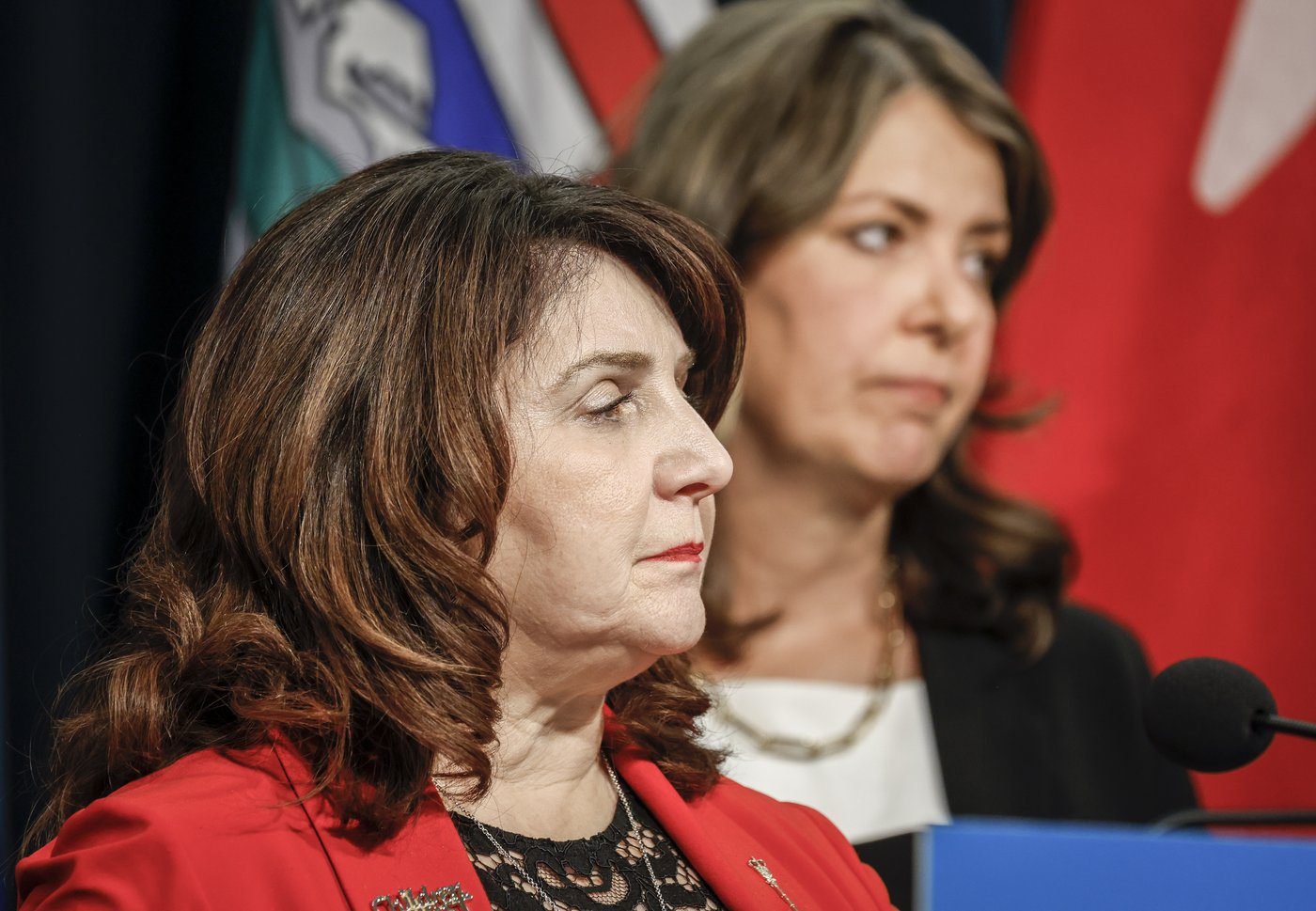
EDMONTON — Alberta’s government is lowering the age for breast cancer screening to those as young as 40, a move that opens the door to self-referral so more people can access publicly funded mammograms by next year.
Adriana LaGrange, preventative health minister, said Wednesday that the province is following the evidence that early detection significantly increases survival rates.
“Early detection means cancer can be found sooner, and when it’s found sooner, it’s more treatable and outcomes are better,” she said.
LaGrange said she wants to see the province’s screening rates, which are already high, climb to 100 per cent for those most at risk.
The plan is to phase in the new rules.
Patients aged 40 to 44 will be able to access free mammograms with only one initial doctor referral until the full changes kick in April 2027.
Currently, there are no out-of-pocket costs for those age 45 and up for self-referral, but if a doctor refers someone for a medically necessary mammogram at any age, they will be covered.
Most provinces and territories in Canada have already lowered the age of self-referral to 40, or have signalled they soon will.
LaGrange estimates expanding breast cancer screening would make 193,000 more Albertans eligible.
She said the province already has the highest breast cancer screening rates in Canada, with 84 per cent of women age 50 to 74, and about half of women aged 40 to 49, having had a mammogram in the past three years.
Radiologist Dr. Shiela Appavoo welcomed the news, saying breast cancer is not simply an older person’s disease.
“Breast cancer diagnoses among women in their 40s have risen disproportionately in the last few years,” she said at the government news conference.
She added that detecting and treating the disease earlier also decreases downstream costs and health-care system pressures related to advanced disease.
Alberta Opposition NDP Leader Naheed Nenshi said many people have been calling for earlier screening guidelines, but he worried about capacity in the province’s health-care system for treatment.
“(If) there is no family doctor to help them interpret their results, (if) there is no access for them into cancer care, it can cause an even bigger problem,” he told reporters Wednesday.
Between January 2022 and January of this year, the percentage of breast cancer surgeries completed within the recommended time dropped to 43 per cent from 70 per cent, government statistics indicate. In the same time frame, the number of surgeries being performed increased to 468 from 306.
On Wednesday, the government also announced it’s putting $2.25 million into a new oncofertility program — a type of medical treatment focused on preserving fertility options for patients before cancer treatment.
Premier Danielle Smith said the program will pay for in vitro-fertilization treatment for more than 250 patients to help preserve the possibility of a pregnancy after cancer treatment.
Michelle Chidley, chair of Fertility Alberta, said many cancer patients must quickly come up with money to pay for costly fertility treatments.
“Cancer patients do not have the luxury of time to decide or to save enough money or to afford the treatments,” she said.
Katie Smith, a parent and volunteer with Fertility Alberta, said at the government news conference that she was diagnosed with breast cancer five years ago at the age of 32. She said she and her husband had to find almost $20,000 within days to pay for fertility preservation before starting cancer treatment.
She said they were lucky and had the support of family. In 2024 they welcomed a son, but Smith wondered about those who weren’t as lucky.
“It makes me emotional to know that other Albertans will have an easier time navigating this challenge because the government is acting on this important issue,” she said.
This report by The Canadian Press was first published April 22, 2026.
Lisa Johnson, The Canadian Press