dailynewsnblog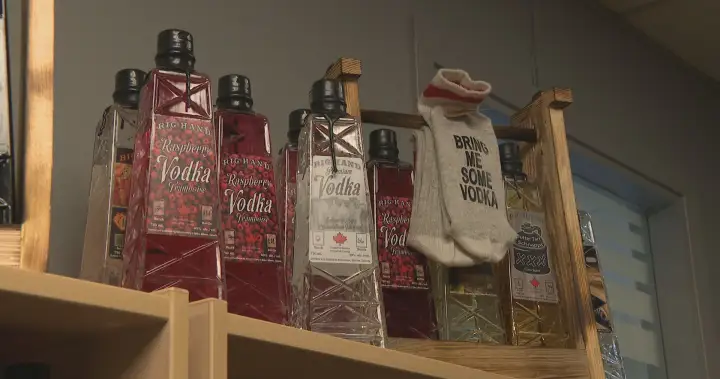
Just south of Edmonton, Rig Hand Distillery in Leduc County has been adapting to tariff threats made by U.S. President Donald Trump ever since he took office for a second term.

With threats of a further 50 per cent tariff on Canadian goods, including alcohol, distillery founder Geoff Stewart has looked elsewhere to sell his assortment of spirits.
“It’s made a lot of companies like us shy away from the U.S. market,” Stewart said.
“We’ve turned our focus completely to Japan right now where we have certainty, we have distributors we can rely on and marketers over there that can work on our behalf and get our product to market.”
But Trump’s tariffs may have now proved fruitful for provincial cooperation.
A majority of premiers have signed a memorandum of understanding (MOU) this week to ease some interprovincial barriers. The MOU will allow consumers to buy directly from brewers, distillers, and winemakers in other provinces.
“Now I can ship to somebody in New Brunswick or British Columbia by Canada Post,” said Stewart.
“That’s how we do this type of shipping because you have to show your ID to prove you’re of age to be able to drink to receive the package.”

While they did not sign on, Quebec and the Yukon are working on join in the future.

Get daily National news
Get daily Canada news delivered to your inbox so you’ll never miss the day’s top stories.
Economist Moshe Lander says it’s about time the barriers start coming down.
“The interprovincial barriers were the topic of conversation 13 months ago,” Lander said. “There were promises made by Canada Day of 2025, all of them would be removed and here we are a year later talking about, hey, maybe we need to go a little bit further than removing some of these interprovincial barriers.”
Lander said the removal of these barriers would increase competition and lower prices for consumers — but it’s still a tall order for every province to bring down all the current barriers for the industry.
“If the provincial leaders can’t think of the greater good, then you’re going to see these barriers created, maintained, extended and enhanced,” he said.
While it won’t completely offset the damage done by Trump’s tariffs, Lander adds it is a good first step.
“This is going to be the most competitive marketplace and each provincial leader then is going to realize that in the name of competition, they need to up their game, which means removing their barriers, too.”
Stewart agrees things are finally moving in the right direction and wants to see things taken a step further — opening doors to sell to restaurants, bars and liquor stores.
“Sending one or two bottles to you if you lived in Ontario, that’s good business,” said Stewart.
“If I can send a pallet of bottles to a liquor store in Ontario — that’s a really, really big win for us.”

© 2026 Global News, a division of Corus Entertainment Inc.