dailynewsnblog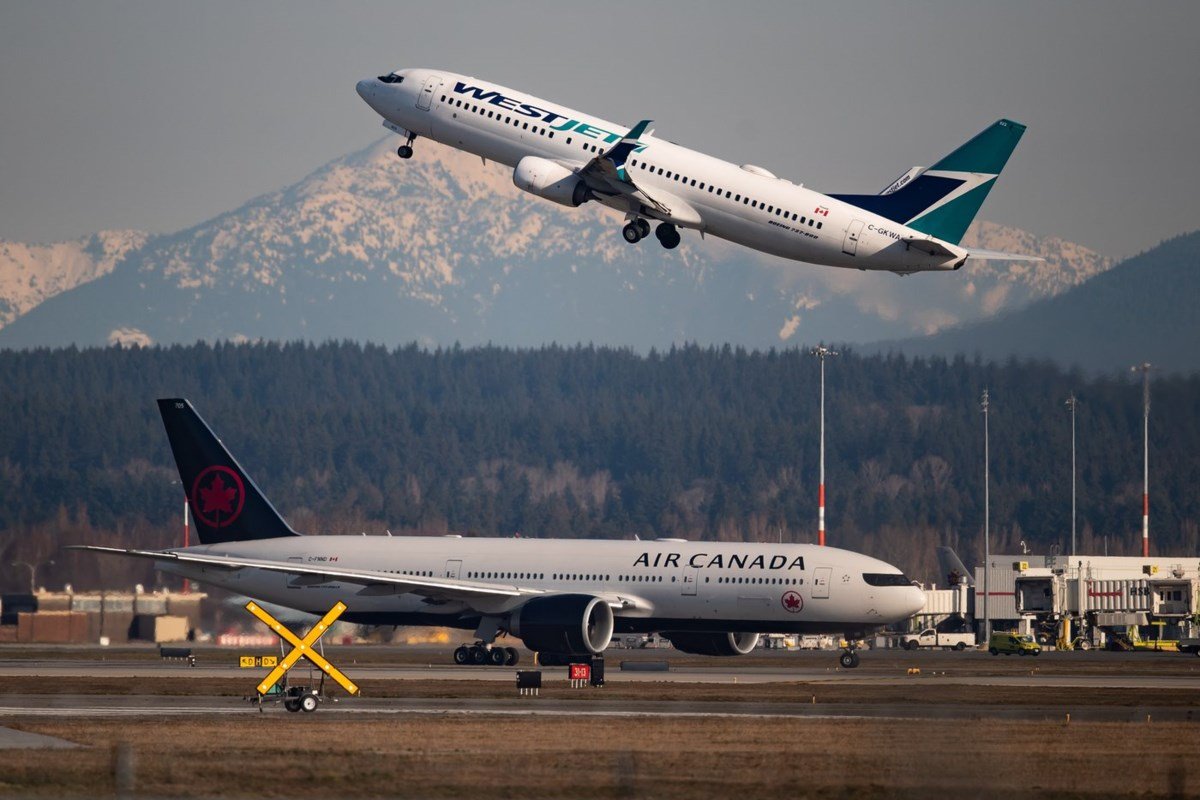

MONTREAL — The war in Iran has triggered a reversal in the nearly two-year trend of annual decreases in airfares, with energy shocks from the conflict prompting a year-over-year rise in Canadian ticket prices last month.
MONTREAL — The war in Iran has triggered a reversal in the nearly two-year trend of annual decreases in airfares, with energy shocks from the conflict prompting a year-over-year rise in Canadian ticket prices last month.
Statistics Canada data released Monday shows that fares rose 2.9 per cent compared with March 2025.
The last time the consumer price index notched a year-over-year increase for air travel was June 2024.
March fares also rose nearly five per cent on a month-to-month basis, bucking their typical seasonal trend.
Ballooning jet fuel prices are driving the recent surge, with airlines passing on some of the cost to passengers, said National Bank analyst Cameron Doerksen. Those prices aren’t poised to descend any time soon.
“We expect fares will remain elevated in the short term, with Air Canada indicating that booking demand has remained strong even in the face of higher fares,” he said in a note to investors.
“If high fuel prices persist, however, the ability to keep fares high will depend on the strength of demand, noting that higher airfares typically lead to some demand destruction.”
A separate fare tracker from travel search site Kayak found that domestic prices have gone up even more drastically this month, with round-trip economy flights between Canadian cities costing $385 on average, over 25 per cent more than in early April of 2025.
Round-trip flights to Vancouver and Calgary from elsewhere in Canada saw the biggest leap, with prices rising 51 per cent and 40 per cent respectively, according to Kayak. The numbers are based on the platform’s search data.
International flights saw fare hikes of less than three per cent, its figures showed.
The U.S.-Israeli war on Iran launched in late February caused an effective shutdown of the Strait of Hormuz, which typically carries about a fifth of the world’s crude oil, prompting massive spikes in energy prices.
Despite a fragile ceasefire, global jet fuel prices last week remained 105 per cent higher than a year earlier, according to the International Air Transport Association.
Even with negotiations between the White House and Tehran seemingly poised to resume, higher energy costs appear likely to persist well into the peak summer travel period, with no end in sight to the effective closure of the strait.
The Bank of Canada said a special survey conducted after the war broke out suggests most households expect the conflict to weaken the Canadian economy and raise prices, sparking a change in their travel plans.
About 21 per cent of respondents have cancelled or postponed trips, “mainly due to increases in travel costs,” the bank said Monday.
Canada’s major airlines have raised gross fares and tacked on fuel surcharges of between $25 and $60 per ticket for some flights. Air Canada last week announced higher baggage fees and the suspension of a half-dozen routes, citing fuel costs that render them unprofitable. WestJet on Monday announced flight capacity cuts from April through June.
Several European countries may start to face jet fuel shortages within six weeks, the International Energy Agency said last Thursday.
North American carriers draw largely from refineries in Canada and the U.S. and remain more insulated from the fuel shortages than Asia and Europe, but they may find connecting options more limited as airlines abroad cut less lucrative routes and ground less efficient planes.
Should the U.S. and Iran reach a longer-term agreement, experts say it will still take weeks for oil traffic to ramp up, while jet fuel could take much longer to reach prewar production levels given the damage to refineries in the Middle East.
This report by The Canadian Press was first published April 20, 2026.
Christopher Reynolds, The Canadian Press