dailynewsnblog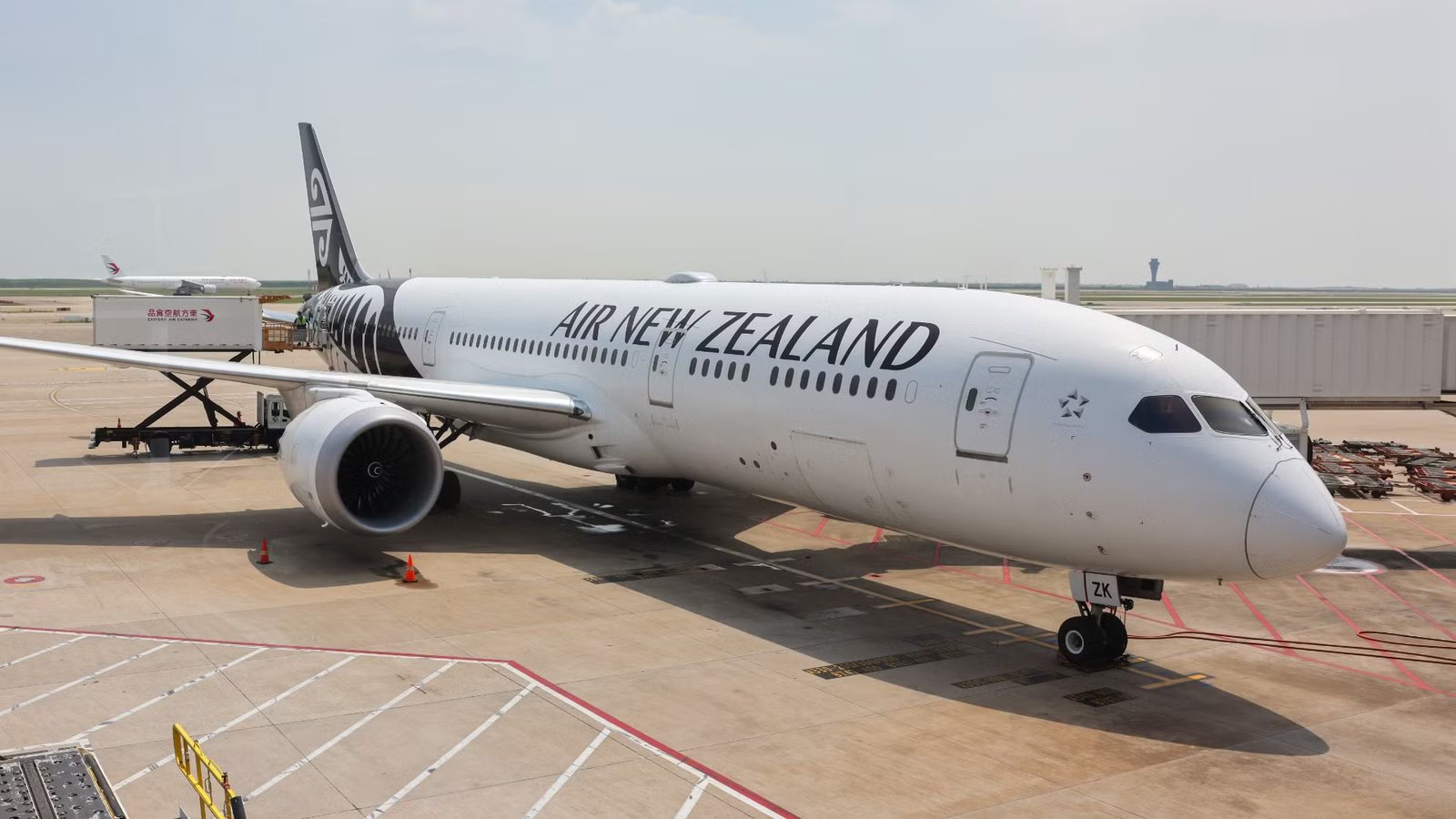
Air New Zealand canceled its Boeing 787-9 service from  San Francisco International Airport (SFO) to
  Auckland Airport (AKL) after an alleged altercation between two pilots during a layover left the airline without a crew member available to operate the flight. The September 7 disruption reportedly delayed passengers by more than half a day, with the airline initially citing a pilot’s illness as the reason for the cancellation. Air New Zealand later confirmed to the media it was investigating an off-duty matter involving two crew members in the United States, although it has not publicly confirmed that the pilots physically fought.
The unusual incident has attracted attention because the alleged confrontation occurred away from the aircraft and while the crew members were off duty. According to One Mile at a Time, reports of a dispute emerged after passengers were told that a replacement pilot was required. The case illustrates how an issue involving a single flight crew member can quickly affect an international airline’s long-haul operation.
Why Air New Zealand Canceled Its 787 Flight

Air New Zealand’s NZ7 service from SFO to AKL was scheduled to operate with a Boeing 787-9 Dreamliner on September 7. According to MSN’s report, passengers were initially informed that the flight had been canceled because a pilot was sick. The airline then arranged for another pilot to operate the service, but mandatory rest requirements after a long-haul flight from New Zealand meant the replacement could not take over immediately.
The result was a disruption lasting more than 14 hours, with passengers eventually rebooked on a replacement service. The circumstances grew more unusual when reports emerged that two pilots had allegedly been involved in a dispute during their layover in San Francisco. Air New Zealand confirmed that it was aware of a matter involving two off-duty crew members in the United States and said the issue was under investigation.
The airline has not publicly confirmed that the two pilots physically fought, and details surrounding the alleged confrontation remain limited. The New Zealand Civil Aviation Authority ( CAA) was also notified, meaning the incident could face regulatory scrutiny in addition to any internal investigation by Air New Zealand.
How A Crew Dispute Can Ground The Whole Aircraft

The reported altercation allegedly took place during the pilots’ layover in San Francisco, not onboard the Boeing 787. One Mile at a Time reported that the information came from the Air New Zealand pilot circle and later spread further.
The airline has confirmed an off-duty matter but has not publicly established the exact circumstances described in reports. Consequently, the alleged physical confrontation should be treated as an allegation pending the investigation. What is clear is that Air New Zealand did not have the crew it needed to operate NZ7 as originally scheduled, causing significant disruption for passengers.
Long-haul operations leave airlines particularly exposed to unexpected crew shortages because pilots must meet strict qualification, scheduling, and rest requirements. A replacement pilot available in San Francisco may still be unable to operate a flight immediately if they have not completed sufficient rest. In this case, that requirement contributed to the delay and showed how quickly a crew-related issue can affect a transpacific service.
CAA Investigation Adds Another Layer

The incident has also been reported to New Zealand’s Civil Aviation Authority, which oversees safety and regulatory compliance within the country’s aviation system. The regulator’s involvement does not mean that any violation has been established, but it gives authorities an opportunity to assess whether the reported circumstances raise aviation-safety or regulatory concerns. Air New Zealand, meanwhile, remains responsible for determining any employment-related consequences following its own investigation.
For passengers, the result was the cancellation of a scheduled transpacific service and the need to move travelers onto another flight. No altercation was reported onboard the Boeing 787. Instead, the disruption stemmed from the availability of a legally rested and qualified flight crew.
The unusual episode underlines the complex relationship between crew scheduling and long-haul airline operations. A disagreement during a layover might seem unrelated to the aircraft’s next departure, but if a crew member becomes unavailable, the effects can ripple through hundreds of passengers and an entire flight schedule. Until Air New Zealand or the relevant authorities release further findings, the precise circumstances behind the alleged pilot confrontation remain unresolved.
Catch what other flight trackers miss
Emergency squawks, holds, NOTAMs — live signals, no signup.
Open tracker
Catch what other flight trackers miss
Emergency squawks, holds, NOTAMs — live signals, no signup.
Open tracker