dailynewsnblog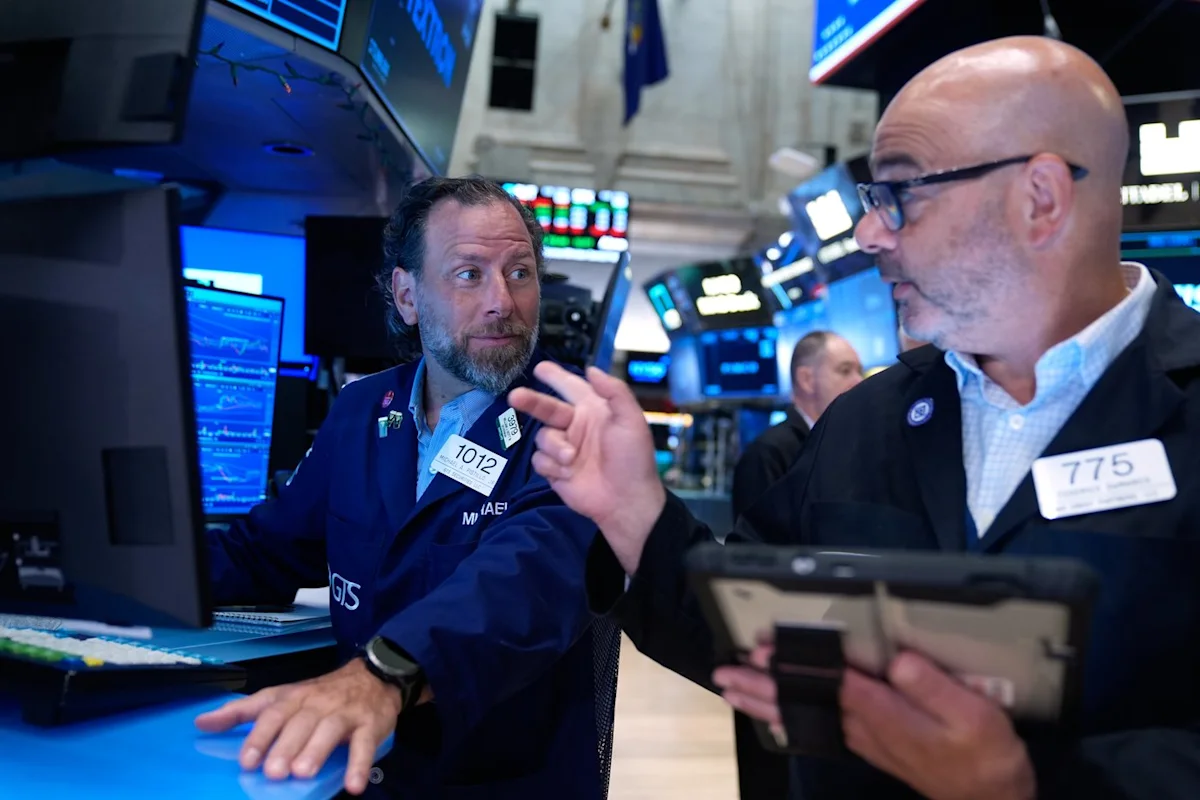
NEW YORK (AP) — The roller-coaster ride for AI stocks is snapping lower again Tuesday and weighing on Wall Street.
The S&P 500 fell 0.6% even though the majority of stocks within the index rose. The drops for stocks in the artificial-intelligence industry dragged the Nasdaq down 1.2%, as of 10:15 a.m. Eastern time, while the Dow Jones Industrial Average was down 107 points, or 0.2%.
The weakness began in Asia, where Samsung Electronics tumbled 6.9% in Seoul. The tech giant gave a preliminary look at its performance for the second quarter, and the numbers were strong. Samsung Electronics said it expects to say its operating profit surged roughly 1,800% from a year earlier.
Analysts called the numbers surprisingly good, but they still weren’t enough for investors after its stock came into the day having well more than doubled in the year so far.
On Wall Street, AI stocks have been under similar pressure in recent weeks on worries that their prices shot too high and that AI may not produce enough productivity and profits to make all the investments in chips and data centers worth it.
Micron Technology fell 7.8% and was the heaviest weight on the S&P 500. Nvidia sank 1.4% and was just behind Micron in influence. Because the AI boom has made it the largest stock on Wall Street by value, a 1.4% move for Nvidia has more effect on the S&P 500 than a similar move by any other company.
SpaceX, which owns the xAI business, fell 6% in its first trading after getting included in the Nasdaq 100 index.
Outside of tech, Vertex Pharmaceuticals fell 2.3% after saying it agreed to buy Crinetics Pharmaceuticals for $85 per share in cash. Crinetics, which develops therapeutics for endocrine diseases, soared 98.8%.
Stocks also generally felt pressure from a rise in oil prices after the British military said a tanker traveling in the Strait of Hormuz was struck by a projectile and caught fire.
Iranian state television said the liquefied natural gas tanker came under attack after ignoring warnings but did not directly claim the assault. That upset hopes that the war in Iran may be winding down and that the Strait of Hormuz may fully reopen to oil tankers bringing crude to customers worldwide from the Persian Gulf.
Brent crude, the international standard, rose 2.7% to $73.94.
Higher oil prices put upward pressure on inflation, and Treasury yields climbed higher in the bond market. The yield on the 10-year Treasury rose to 4.51% from 4.48%
High yields worldwide have been rattling investors after oil prices burst above $100 per barrel earlier in the summer because of the war. The worry is that high inflation may force the Federal Reserve and other central banks to hike interest rates. High rates can keep a lid on inflation, but they also slow the economy and hurt prices for all kinds of investments.