dailynewsnblog
Apple hiked iPad and MacBook prices on Thursday, saying it could no longer shield customers from soaring memory and storage chip costs driven by the AI industry’s data centre buildout.
“The consumer electronics industry is facing an unprecedented challenge,” Apple said in a statement to CBC News. “We have never seen a component price increase this much, this quickly.”
The company has shielded customers from increases thus far, it said. “But we have now reached a point where we need to begin raising prices on a number of products, including today’s increases for iPad and Mac.”
Apple website hiked immediately, other stores unclear
Apple pricing on its website changed right away, with its lowest-price laptop, the MacBook Neo, now starting at $949, an increase of $150. The Education model will start at $819, up from $679.
Apple also raised the prices for both versions of its HomePod smart speaker and Apple TV set-top box, but the move does not affect its main cash cow, the iPhone.
Other Canadian retailers carrying Apple products will increase prices depending on when the company notifies its other distributors, so it is unclear if the prices will go up at the same time.
However, one major Western Canadian retailer says these increases were expected.
“It’s not surprising to see this starting to make its way into some of the mainstream products that customers are buying today,” said Jeff Townsend, general technology manager at London Drugs, which carries higher-end products from companies like Apple.
Prices going up as AI drives down parts supply
Certain critical components in everything from Apple computers to Nintendo gaming systems are being bought up by artificial intelligence companies, leaving less supply for consumer devices, and that’s driving up prices.
Random access memory, or RAM, is a critical component in most electronic devices. As AI companies race to build out data centres, Micron, Samsung and SK Hynix — the world’s major memory manufacturers — have pivoted more of their production capacity away from consumer memory.
They are now prioritizing orders from AI chipmakers like Nvidia, helping them earn record profit but leaving little supply for electronics makers.
“We’ve seen pretty dramatic price increases [across consumer products],” said Willy Shih, a professor of management practice at Harvard Business School.
“Historically, over the long term, memory prices have continued to go down. It’s highly unusual to see memory prices actually go up,” he said. “I haven’t seen anything quite like this.”
“These AI data centres are pulling a whole bunch of resources out of the supply chain. And it’s having a far reaching impact,” said retailer Townsend, who said even after decades at London Drugs he hadn’t seen anything like this before either.
While companies typically forecast their production in advance and lock down suppliers through contracts, Shih said now, those supplies are running dry and products will have to reflect the true cost of its parts.
Prices for computer equipment, software and supplies rose 3.9 per cent in May, Statistics Canada’s latest consumer price index showed. The federal agency said the demand from AI data centres and limited production capacity have both contributed to the price increase.
Townsend cautioned against rushing a purchase to avoid a price hike, encouraging people to instead be ready to consider alternative products if necessary.
“I can’t predict where the prices are going to go, but if I read the tea leaves, we’re only going to see continued pressure on supply chain and continued pressure on pricing as we go further into the year.”
Gaming consoles hit by RAM shortage
However, there are some markets where alternatives could be difficult. Video game console manufacturers are raising their prices, as well, and it can be difficult to swap out a PlayStation for an incompatible Nintendo, for example.
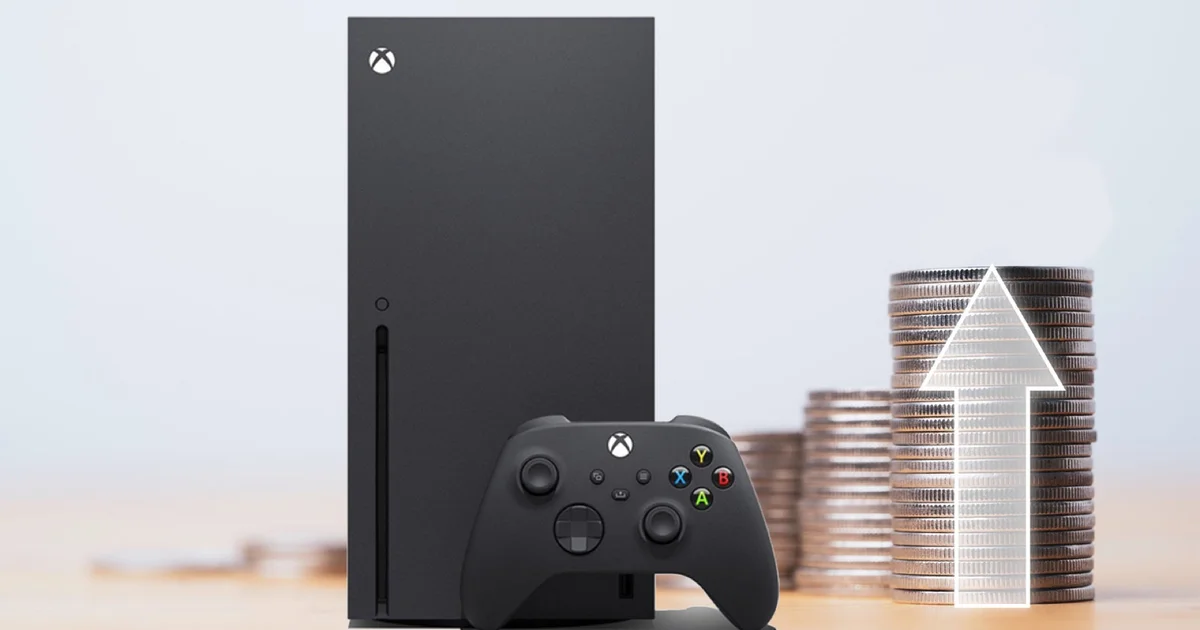
On Thursday, Microsoft announced that Xbox prices will go up by $100 US to $150 US dollars per console, and that it would be discontinuing its more expensive $800 US model. Canadian pricing is unclear, but U.S. prices could now be as high as $800 for a device that was $600 less than a year ago.
That hike came after price hikes late last year, when Microsoft imposed price increases between $20 US to $70 US.
In a blog post earlier this month, signed by Xbox CEO Asha Sharma and Matt Booty, chief content officer, the company said “we are in a hardware component crisis,” adding that it expects another significant price increase in component parts this year, more than five times what the company paid for them just two years ago.
And earlier this week, PC gaming company Valve launched its new product, Steam Machine, with its two-terabyte model priced at $1,919 — a higher price point than the company says it originally intended, citing the RAM shortage as a factor.
Steam Machine is composed of many PC components, Valve explained in a blog post on its website. The company said it first started sourcing those parts in 2023 and felt it had a good understanding of how component pricing would change over time, explaining that, typically, PC hardware becomes cheaper as new technology arrives.

The artificial intelligence boom is driving a worldwide shortage in memory chips that could soon drive up prices in everything from smartphones to laptops to video game consoles.
“Over the past year or so, that has changed quickly and significantly, most visibly for RAM and storage components,” the post said.
“The overall effect is that our original goal for the price of Steam Machine is no longer viable. So the prices we’re sharing today reflect the state of the world for manufacturing; or, more accurately, it reflects the price of the components as we’ve secured them over the past six months.”
Nintendo, PlayStation also take hits
While Valve and Microsoft’s latest hikes are more recent sticker shocks for the gaming world, they aren’t the first.
In May, Valve also increased the price of its Steam Deck products by more than 60 per cent, also attributing rising memory and storage costs. A one-terabyte OLED model cost $819 when it launched. Now, it’s priced at $1,349.

In April, PlayStation announced it was hiking the prices on its PS5 consoles, citing “continued pressures in the global economic landscape,” marking the second price increase from Sony in less than a year.
The standard PS5 went up $100 US to $649.99 US, while the price of the PlayStation Portal remote player climbed to $249.99 US from $199.99 US.
And as of Sept. 1, Nintendo’s Switch 2 will also be jumping up by $50 Cdn to $679.99. Company president Shuntaro Furukawa has also cited higher component costs, along with other factors including exchange rates and tariffs, having factored into Nintendo’s decision.
RAM shortage expected through 2027: Micron
Micron expects the memory and storage shortage to last at least through 2027.
“We expect tight conditions to persist beyond calendar 2027 as a result of AI-driven demand across all segments coupled with structural supply constraints,” Sanjay Mehrotra, Micron’s chair, president and CEO, said in an earnings call, Wednesday.
“Even as we expect industry supply to improve gradually in 2028, we currently do not have line of sight as to when memory supply will be able to catch up with increasing demand.”
Manufacturers are building more chip factories to up production and meet the increased demand, Shih said, which may mitigate the price hikes once more supply comes online. That includes Micron’s U.S. expansion adding manufacturing capacity in Idaho, New York and Virginia.