dailynewsnblog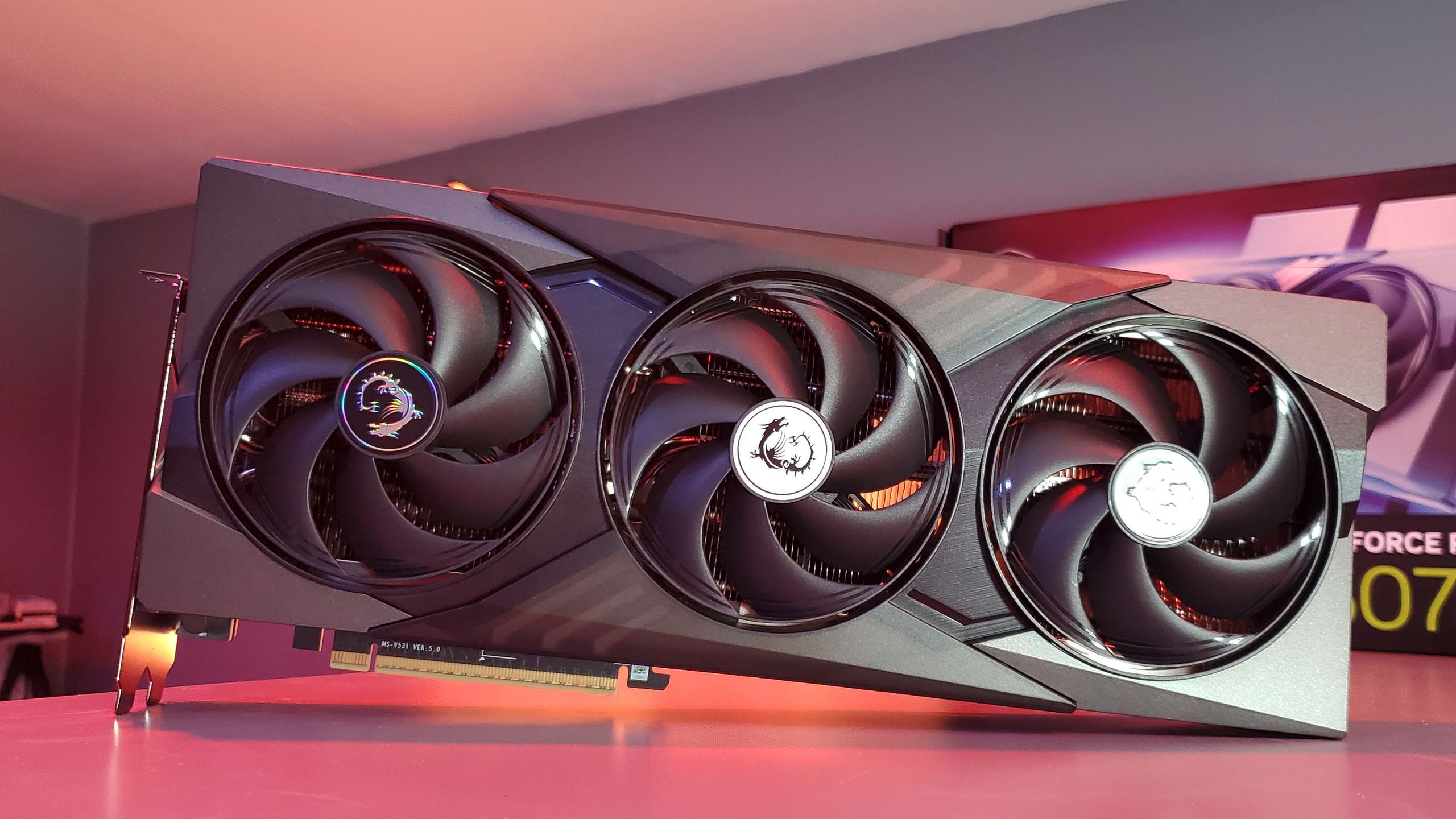
It seems we can’t catch a break lately when it comes to PC gaming hardware. All thanks to the global memory shortage, of course. Now, according to information Benchlife claims to have received, Nvidia is raising prices for its GDDR6 as well as GDDR7 GPU kits.
That means the RTX 5050 and some RTX 40-series cards (using GDDR6) might not be safe from the hikes, in addition to the rest of the RTX 50-series (using GDDR7). Though there’s no mention over whether any pricing changes would hit all regions.
Benchlife says prices were already raised for the RTX 5090 (and its China variant) in May, which fits with what we heard at the time. This recent adjustment is for other GeForce products.


Assuming the information is correct, it will mean AIB partners—the companies you buy non-Founders cards from—will now have to pay Nvidia more for the respective kits which come with both GPU and memory.
It’s not the wildest speculation to say that such price increases will be due to rising memory costs. No one—not even Nvidia, and certainly not its AIB partners—is immune from it. Memory is just in such astronomically high demand thanks to the AI boom.
In fact, on this point a source reportedly told VideoCardz that high 3 GB GDDR7 pricing has made Nvidia put its 50-series Super cards on hold. Originally we were expecting those late this year, or perhaps early next year, but apparently the high cost for the memory has put a big pin in that.
As you can see from the below chart outlining the GPU prices we’ve been tracking, prices have actually been pretty stable for the past few months. But it sounds like there’s a chance this could change before long.
Lowest price per GPU
Lowest pricing (Price, $)
Week
| Timestamp (Week) | Nvidia RTX 5080 (Price, $) | Nvidia RTX 5070 Ti (Price, $) | AMD RX 9070 XT (Price, $) | AMD RX 9070 (Price, $) | Nvidia RTX 5070 (Price, $) | Nvidia RTX 5060 Ti 16 GB (Price, $) | Nvidia RTX 5060 Ti 8 GB (Price, $) | AMD RX 9060 XT 16 GB (Price, $) | AMD RX 9060 XT 8 GB (Price, $) | Nvidia RTX 5060 (Price, $) | Nvidia RTX 5050 (Price, $) | Intel Arc B580 (Price, $) | Intel Arc B570 (Price, $) | AMD Radeon RX 9070 GRE (Price, $) |
|---|---|---|---|---|---|---|---|---|---|---|---|---|---|---|
| 1 | 1100 | 780 | 700 | 600 | 550 | 430 | 368 | 370 | 280 | 300 | 250 | 260 | 230 | N/A |
| 2 | 1099 | 750 | 700 | 600 | 550 | 430 | 340 | 370 | 270 | 300 | 250 | 260 | 230 | N/A |
| 3 | 1000 | 750 | 700 | 550 | 524 | 430 | 370 | 370 | 280 | 291 | 250 | 250 | 230 | N/A |
| 4 | 1000 | 750 | 695 | 550 | 546 | 430 | 345 | 370 | 280 | 296 | 250 | 250 | 230 | N/A |
| 5 | 1000 | 749 | 670 | 600 | 481 | 430 | 340 | 350 | 270 | 300 | 250 | 250 | 230 | N/A |
| 6 | 929 | 749 | 670 | 600 | 499 | 379 | 340 | 350 | 270 | 289 | 240 | 250 | 230 | N/A |
| 7 | 999 | 750 | 650 | 550 | 520 | 430 | 350 | 350 | 270 | 299 | 240 | 250 | 230 | N/A |
| 8 | 980 | 749 | 650 | 550 | 500 | 430 | 342 | 350 | 270 | 299 | 250 | 250 | 200 | N/A |
| 9 | 999 | 750 | 650 | 560 | 500 | 430 | 323 | 350 | 270 | 299 | 250 | 250 | 220 | N/A |
| 10 | 989 | 730 | 600 | 550 | 480 | 430 | 340 | 360 | 270 | 299 | 250 | 250 | 210 | N/A |
| 11 | 990 | 699 | 600 | 550 | 489 | 400 | 320 | 340 | 250 | 280 | 230 | 250 | 200 | N/A |
| 12 | 989 | 730 | 600 | 530 | 500 | 400 | 320 | 350 | 275 | 279 | 220 | 250 | 200 | N/A |
| 13 | 1000 | 750 | 600 | 530 | 527 | 420 | 342 | 350 | 280 | 279 | 220 | 250 | 200 | N/A |
| 14 | 1000 | 750 | 600 | 530 | 540 | 420 | 313 | 370 | 280 | 279 | 220 | 250 | 202 | N/A |
| 15 | 1000 | 749 | 600 | 530 | 499 | 430 | 350 | 380 | 288 | 279 | 200 | 240 | 202 | N/A |
| 16 | 1100 | 750 | 620 | 530 | 499 | 430 | 350 | 380 | 288 | 270 | 200 | 240 | 202 | N/A |
| 17 | 1230 | 750 | 660 | 580 | 549 | 430 | 330 | 390 | 310 | 260 | 235 | 250 | 200 | N/A |
| 18 | 1268 | 829 | 700 | 580 | 540 | 450 | 330 | 390 | 310 | 290 | 240 | 250 | 200 | N/A |
| 19 | 1380 | 899 | 720 | 580 | 549 | 450 | 330 | 400 | 310 | 299 | 240 | 260 | 200 | N/A |
| 20 | 1350 | 1000 | 720 | 600 | 620 | 520 | 330 | 440 | 310 | 299 | 240 | 290 | 200 | N/A |
| 21 | 1365 | 950 | 730 | 590 | 620 | 520 | 351 | 440 | 350 | 299 | 260 | 290 | 250 | N/A |
| 22 | 1365 | 950 | 730 | 630 | 620 | 520 | 360 | 400 | 346 | 299 | 260 | 300 | 250 | N/A |
| 23 | 1290 | 950 | 730 | 630 | 630 | 520 | 360 | 440 | 346 | 340 | 260 | 300 | 250 | N/A |
| 24 | 1290 | 950 | 730 | 620 | 625 | 520 | 360 | 440 | 346 | 340 | 260 | 300 | 250 | N/A |
| 25 | 1250 | 950 | 730 | 610 | 630 | 550 | 360 | 440 | 346 | 349 | 260 | 300 | 250 | N/A |
| 26 | 1260 | 950 | 730 | 610 | 604 | 550 | 360 | 440 | 340 | 349 | 290 | 300 | 250 | N/A |
| 27 | 1290 | 950 | 730 | 630 | 640 | 570 | 360 | 440 | 340 | 349 | 290 | 300 | 250 | N/A |
| 28 | 1250 | 900 | 720 | 620 | 630 | 515 | 390 | 440 | 346 | 349 | 290 | 290 | 250 | N/A |
| 29 | 1290 | 990 | 710 | 620 | 636 | 500 | 390 | 449 | 350 | 349 | 290 | 290 | 250 | N/A |
| 30 | 1290 | 990 | 710 | 620 | 630 | 500 | 390 | 440 | 350 | 330 | 290 | 290 | 260 | N/A |
| 31 | 1290 | 990 | 670 | 620 | 599 | 500 | 380 | 440 | 350 | 330 | 290 | 290 | 260 | N/A |
| 32 | 1290 | 990 | 710 | 620 | 599 | 515 | 380 | 430 | 360 | 310 | 290 | 290 | 260 | N/A |
| 33 | 1290 | 980 | 710 | 600 | 599 | 490 | 400 | 430 | 360 | 349 | 290 | 290 | 260 | N/A |
| 34 | 1270 | 980 | 710 | 620 | 599 | 550 | 380 | 440 | 360 | 349 | 290 | 290 | 260 | N/A |
| 35 | 1290 | 900 | 700 | 600 | 599 | 550 | 380 | 430 | 360 | 350 | 290 | 304 | 260 | N/A |
| 36 | 1250 | 980 | 700 | 600 | 599 | 550 | 370 | 440 | 360 | 340 | 290 | 300 | 260 | 550 |
| 37 | 1250 | 980 | 700 | 600 | 599 | 570 | 370 | 440 | 350 | 340 | 290 | 304 | 250 | 550 |
| 38 | 1250 | 980 | 700 | 600 | 599 | 570 | 370 | 440 | 350 | 340 | 290 | 304 | 250 | 550 |
| 39 | 1250 | 920 | 700 | 600 | 599 | 570 | 330 | 400 | 360 | 340 | 290 | 298 | 250 | 500 |
| 40 | 1250 | 955 | 700 | 600 | 599 | 565 | 330 | 430 | 360 | 340 | 290 | 291 | 260 | 500 |
| 41 | 1250 | 900 | 700 | 600 | 560 | 560 | 330 | 430 | 360 | 339 | 290 | 290 | 250 | 500 |

As with much in this interrelated industry, it’s difficult to say when things like price increases for AIBs will start to show in the consumer market. These AIBs might have some back-stock to get through and they might be able to eat some of the price increase themselves to keep stocks low.
Although it’s worth noting that might not be possible, given warnings we’ve already heard AIBs give about slim margins—such is the reason EVGA gave for it leaving the GPU market, and that was way before the memory crisis.
It’s often not smart to have too much back-stock, anyway, as the market tends towards being very ‘lean’ with ‘just-in-time’ manufacturing and sales. If you sit on too much stock it could end up going to waste and then you’ve lost money. Having a lean inventory of stock is how even big memory makers operate, according to a supply chain expert I interviewed back in May.

For companies more towards the end of the supply chain like AIB partners, this means they’ll likely have to raise prices for their customers (us) before long too. We’ve just seen Framework, for instance, say that it’s going to have to do just this because one of its suppliers has raised its prices for memory “far beyond anything we had predicted”.
Nvidia will probably have a better time of it, of course, with much bigger contracts and more ability to weather the storm. But if the GPU kit price increase info is correct, it seems that storm might be taking a toll.
Best graphics card 2026