dailynewsnblog
In his first year as prime minister, Mr. Carney demonstrated a skill for building trust that can only be described as pitch perfect, earning a majority government through a combination of floor crossings and by-elections.
At the recent JUNO Awards, Prime Minister Mark Carney presented Joni Mitchell with a lifetime achievement award as artists joined in a sing-along of Big Yellow Taxi. It was a distinctly Canadian moment, capped by Ms. Mitchell’s endorsement of the prime minister: “We are so fortunate to have him.”
Canadians seem to agree. In his first year as prime minister, Mr. Carney demonstrated a skill for building trust that can only be described as pitch perfect, earning a majority government through a combination of floor crossings and by-elections.
His performance merits closer examination and offers lessons for Canadian leaders.
In January, our annual Proof Strategies CanTrust Index survey found 45 per cent of Canadians named Mr. Carney as the most trusted national leader, down from a honeymoon high of 52 per cent after the 2025 election. These figures contrast sharply with the trust collapse experienced by Justin Trudeau, who began with similar goodwill but ended his tenure trusted by fewer than a third of Canadians.
Trust is hard won and easily lost. Mr. Trudeau’s declines followed a series of self-inflicted blows, including the Wilson-Raybould affair, the WE Charity controversy, and the disclosure of his past Blackface. Vacationing on the first National Day for Truth and Reconciliation, an “own goal” if there ever was one, had lasting effects.
By contrast, Mr. Carney has so far shown an ability to read the room and sing the right notes. His background as a central banker and business leader positioned him as a steady hand in a time of crisis, most notably, the rise of Donald Trump and his repeated musings about Canada as a “51st state.” These threats have shifted Canadian behaviour and attitudes, birthing the Buy Canada movement, curtailing U.S. travel, and growing support for defence spending. Our annual research finds trust rising broadly across Canadian institutions.
Canadians appear predisposed to trust one another. Pew Research shows nine in ten Canadians see their fellow citizens as morally good, the highest score among 25 countries surveyed. This national mindset has created fertile ground for trust in leadership, but Mr. Carney’s standing reflects more than good timing.
Academic research by Mayer, Davis, and Schoorman defines trust as a function of ability, benevolence, and integrity. Mr. Carney scores well in all three.
His ability is evident in a resume that signals competence at a time when faith in politics is low. A former central banker to two nations, he projects seriousness, depth, and intellectual credibility rarely seen in modern political leadership.
His benevolence has surprised many. Mr. Carney has shown empathy during national tragedies and an ease connecting with Canadians, from artists and athletes to autoworkers and local kids at the rink. These human moments matter, and they reinforce the sense of a prime minister engaged in building trustworthy partnerships.
Integrity, often a political downfall, has so far held firm. Polling by Leger shows six in ten Canadians approve of the federal government. Opposition efforts questioning Mr. Carney’s wealth and corporate ties have instead underscored his qualifications. Unlike past governments undone by ethical lapses or ministerial scandals, the Carney team appears disciplined and well managed.
Still, three familiar threats for governments loom: arrogance, inaction, and irrelevance.
With a slim majority, the government must guard against arrogance and show respect for Parliament by collaborating across party lines. Encouragingly, Mr. Carney has worked constructively with premiers of different stripes, from trade missions with Scott Moe to symbolic gestures of cooperation with Doug Ford, such as their recent pizza date.
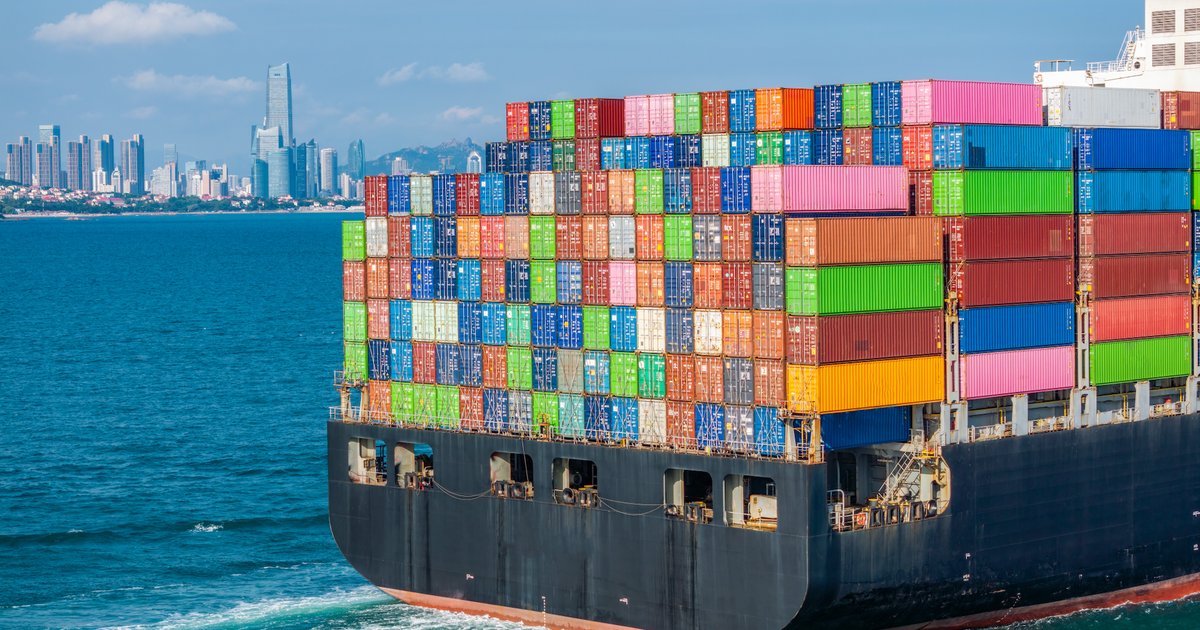
The second threat is a lapse in momentum. Mr. Carney promised to “build at a pace not seen since the Second World War,” and Canadians expect tangible progress. Beyond speeches and MOUs, they will look for visible action — shovels in the ground, factories producing, and goods shipped. Results must be communicated clearly to Canadians.
Relevance remains his strength. The political landscape shifted rapidly after Trudeau and the carbon tax exited the stage. Since a pivotal speech at Davos, Mr. Carney has positioned Canada to build pipelines, expand trade with China, and raise capital globally. His skills align with what Canadians see as the country’s most pressing challenges.
Yet governing is becoming harder. War in Iran threatens inflation, separatist tensions in Canada persist, and opposition voices are sharpening. Mr. Carney will need to maintain pace and performance to keep public trust. Otherwise, even a leader who has hit every note so far may find that a single missed beat can throw the whole performance out of tune.
Bruce MacLellan is the chairman of Proof Strategies, which conducts the annual CanTrust Index™.
The views, opinions and positions expressed by all iPolitics columnists and contributors are the author’s alone. They do not inherently or expressly reflect the views, opinions and/or positions of iPolitics.