dailynewsnblog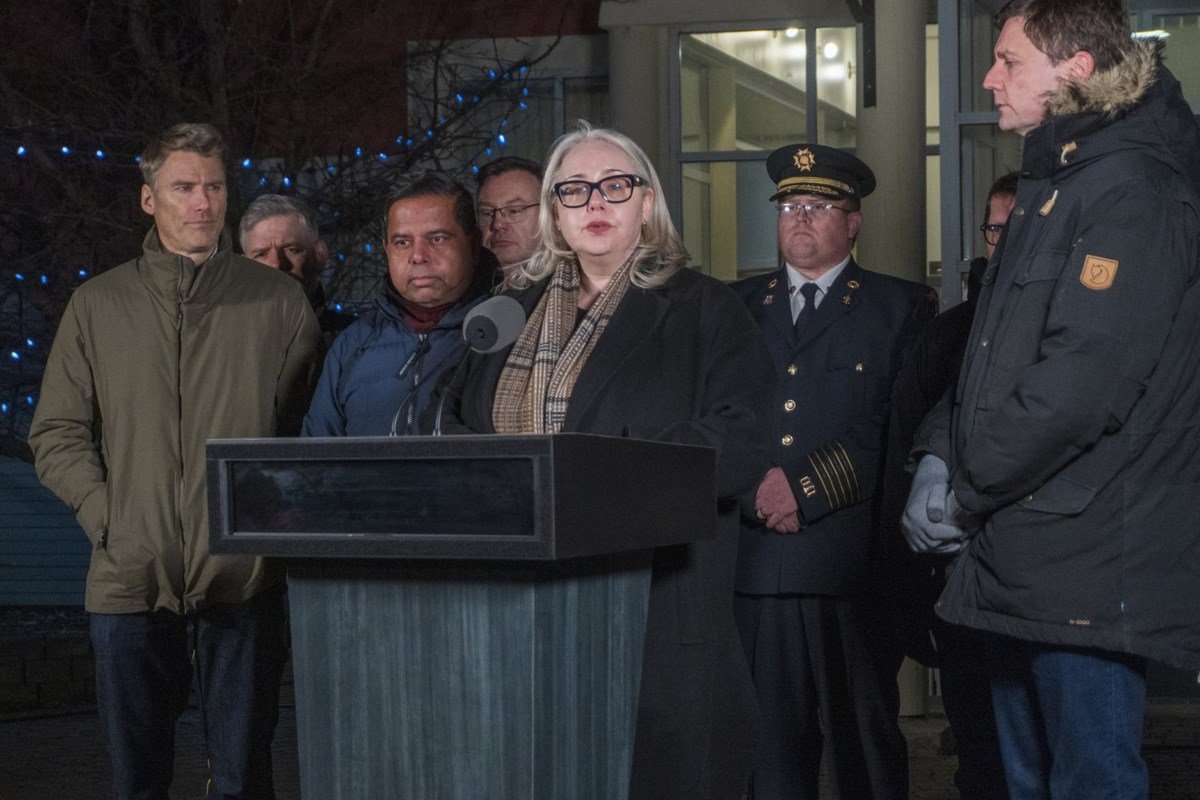

The British Columbia government is going to spend $16 million over the next two years focusing its efforts on 420 chronic offenders behind a “disproportionate” amount of street disorder, and property and retail crime.
The British Columbia government is going to spend $16 million over the next two years focusing its efforts on 420 chronic offenders behind a “disproportionate” amount of street disorder, and property and retail crime.
The spokesperson for a coalition of community and business groups formed in response to crime, violence and public disorder said that while they welcome the program, the underlying causes of mental health and addiction must also be addressed.
Public Safety Minister Nina Krieger announced on Monday the Chronic Property Offending Intervention Initiative in Nanaimo, B.C., a community that has been beset by the problems.
“We hear this time and time again from communities that it is a small number of individuals who are behind a disproportionate number of calls to police and incidents,” she said in an interview.
Jess Ketchum, co-founder Save Our Streets, said his group is pleased that the initiative builds on pilot projects, which have shown some success.
“We have to continue to monitor that all the time, but I just get frustrated, quite frankly, that we continue to deal with the symptoms and not the cause,” he said.
The coalition is made up of more than 120 community and business organizations from across B.C.
Police have said a small number of people cause a disproportionate amount of property crime and the multimillion-dollar program will focus on them.
The government says it will create 12 regional teams of police, prosecutors and probation officers among other staff to find those who need additional supervision and support based on their criminal history and risk.
“I’m always shocked at the amount of crime very few people cause,” Ketchum said, when asked about the government spending $8 million per year to supervise fewer than 500 people.
He said that figure doesn’t just include the policing, but also the cost for other staff and facilities. “So, you can eat up that $8 million a year pretty quickly.”
“Certainly, some of that money will be recovered, if you really do curtail these crimes,” he said.
The program builds on pilot projects in Kelowna, Nanaimo and Nelson underway since last November, targeting repeat offenders.
The province said in its statement that police in Kelowna have credited the program with helping stabilize property crime trends, including a decline in break-and-enter offences.
Krieger said the program co-ordinates different pieces: police enforcement, the justice system, corrections, and health and social supports.
That could mean that those being targeted could get the support they need more quickly, she said. Or it could mean that they are getting longer sentences, faster, if they are committing crimes, she said.
“Retail theft and street disorder undermine public safety and place added pressure on local businesses,” Krieger said. “We’re building on progress we’ve made, dedicating more resources and working with partners to strengthen enforcement and keep communities vibrant and safe.”
Ketchum said there has been some success in the pilot projects, but he wondered what will happen after the two-year-program runs its course.
“We have long advocated for a full build-out of the continuum of care for addictions and mental health around the province,” he said.
Krieger said that government will track results as the program unfolds.
Monday’s announcement comes amid ongoing calls from various groups to improve public safety, and after the federal government passed new legislation making it harder to get bail for repeat and violent offenders.
Ketchum said he wishes he could report a vast improvement in public safety.
“But I can’t, and we are seeing evidence of it every day,” he said.
Krieger said her government is working to improve the supply of supportive housing and address mental health needs.
Andre Thomas, owner-operator of the Memphis Blues BBQ restaurant in downtown Kelowna, said he would like to see a higher level of co-ordination between different layers of government.
“The criminal element needs to be dealt with,” he said. “It can’t be a slap on the hand, and right back out, and do it again the next day. I also think that the people, who have serious mental health issues, also just need more resources.”
Thomas said his business has been operating in a very visible area of downtown Kelowna for 19 years.
“In terms of break-ins or vandalism, for us, it hasn’t been a problem. But it certainly is in the back-alleys, and then for businesses that are kind of on the peripheries of the main strip.”
He said Kelowna’s growth has come with some pain.
“There are a lot of business owners who have experienced multiple break-ins. Their staff have been harassed before work, after work. There has been theft. There has been vandalism.”
Thomas said the problems aren’t Kelowna-specific, instead it’s a “systemic problem” in the province.
“Everyone, whether small or large, is kind of going through it, and honestly, I don’t think it is any worse here.”
This report by The Canadian Press was first published June 22, 2026.
Wolfgang Depner, The Canadian Press