dailynewsnblog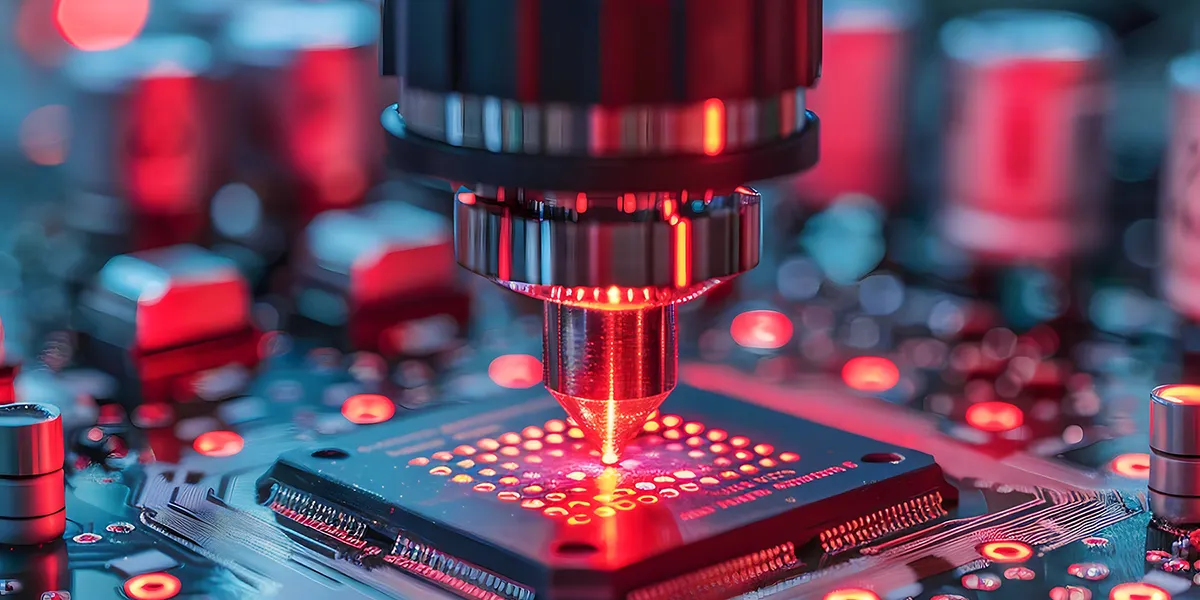
Delivering these gains depends not only on advances in chip design and system architecture, but on advances in the materials that enable them to perform under extreme conditions.
As AI continues to push the physical limits of semiconductors and data center infrastructure, advanced materials are no longer simply supporting innovation in this area; they are defining the limits of what is possible.
Performance first
Advanced materials exist to solve performance challenges. As AI raises the bar, these challenges are becoming more demanding.
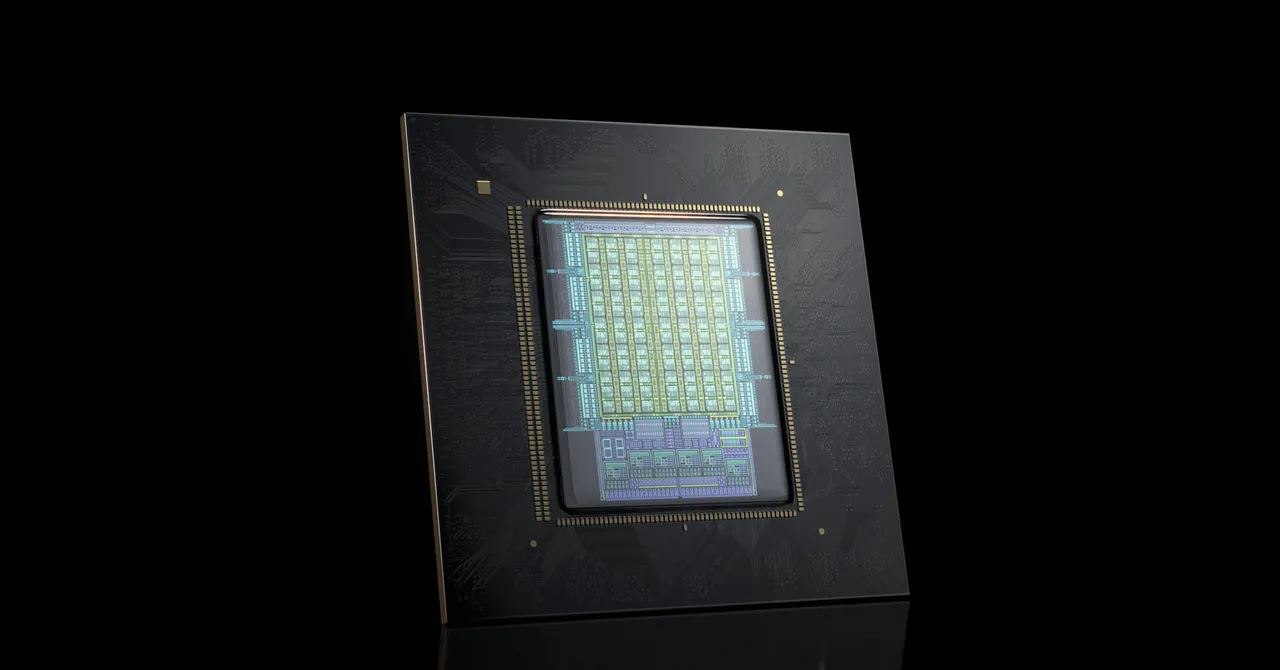
Manufacturing a semiconductor chip today requires thousands of tightly controlled process steps, with almost no room for error. Tiny variations in temperature or chemical instability can create defects that reduce yield and drive up manufacturing costs. With every new generation of semiconductor chips, manufacturers seek advanced materials that can deliver greater purity, higher chemical and plasma resistance, and better stability under increasingly harsh operating conditions.
These are familiar engineering challenges being pushed to new extremes. And it’s here that materials innovation makes the difference with continuous advances in polymers, elastomers, specialty fluids, and other advanced materials that make each new generation of technology possible.
For materials companies, it’s not about reinventing semiconductor manufacturing but about ensuring the materials supporting the industry continue to evolve alongside it. This same principle applies beyond the semiconductor fabrication floor. As AI workloads become more demanding, the physical infrastructure that powers them is evolving rapidly.
Increasing computing density is transforming data center design, driving the need for more sophisticated thermal management, higher-voltage power architectures, increased data storage, and faster, more reliable data transmission. Every part of the system is under greater pressure, from cooling and power management to critical electronic components, such as connectors, capacitors, and hard disk drives.
At Syensqo, we’re building on our expertise in electronic and electrical components, along with insights from other markets, to meet these emerging needs.