dailynewsnblog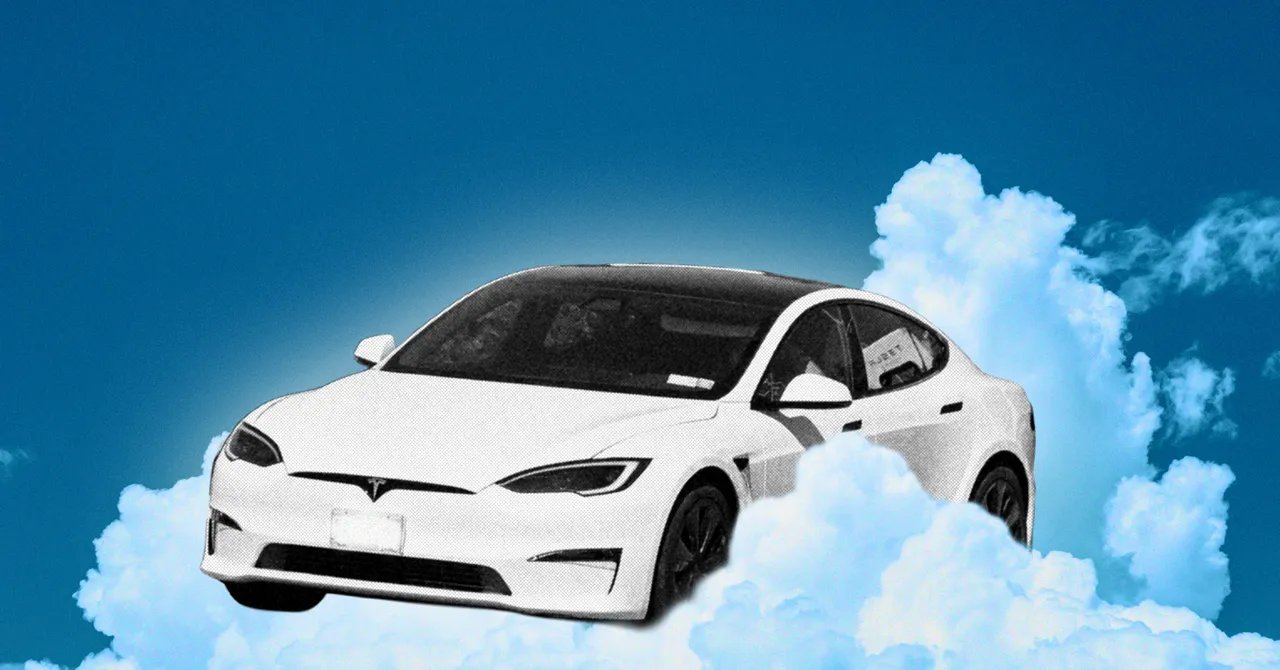
Any flying vehicle that weighs more than 250 or so pounds would need to go through an FAA approval process and require clearance to operate in the national airspace, says Michael McCormick, a former FAA official who now heads the Air Traffic Management program at Embry-Riddle Aeronautical University. Getting that certification, he predicts, could take “at least a year.” Your standard drivers license, meanwhile, wouldn’t cut it. Any Tesla owner piloting such a vehicle would likely have to obtain a recreational aviation license.
Actually taking off and landing the Roadster 2 would likely present its own set of issues. Most states require aircraft to take off from airports or designated helipads. Launching from the road to the air would fall under state or local rules, says Miller, and many places do not look kindly on the concept of sudden aircraft intrusions on their streets and highways. That’s the reason “it’s pretty rare to be able to jump in a helicopter and land at your favorite steakhouse to have a steak,” he says. Drivers might only be able to truly operate the vehicle on a large, private piece of land.
The FAA today is working on rules, regulations, and pilot projects around another sort of “flying car,” or what’s more commonly known as an electric vertical take-off and landing (eVTOL) vehicle. These aircraft use several smaller electric motors and propellers to carry up to four passengers between 20 and 150 miles, sometimes autonomously. The companies building the technology envision them taking off from small, local “vertipads,” allowing riders to skip urban traffic by floating above the fray.
The Trump administration this year launched a limited, three-year pilot project using the aircraft, where companies are able to test the tech in several states. It has taken years for the companies to receive certifications from the federal government.
When it comes to the Roadster 2, there are practical questions, too. True flying cars have struggled to take off because of the physics-led contradiction at the heart of the idea. What makes a car safe and durable enough to operate on roads is weight. But “weight is the enemy of an airplane,” says Miller. “Flying cars haven’t been able to find that balance of power versus weight.”
Still, Miller found himself impressed by Thursday’s demo. “If this does make it into production, that is a truly impressive engineering and production feat,” he says.