dailynewsnblog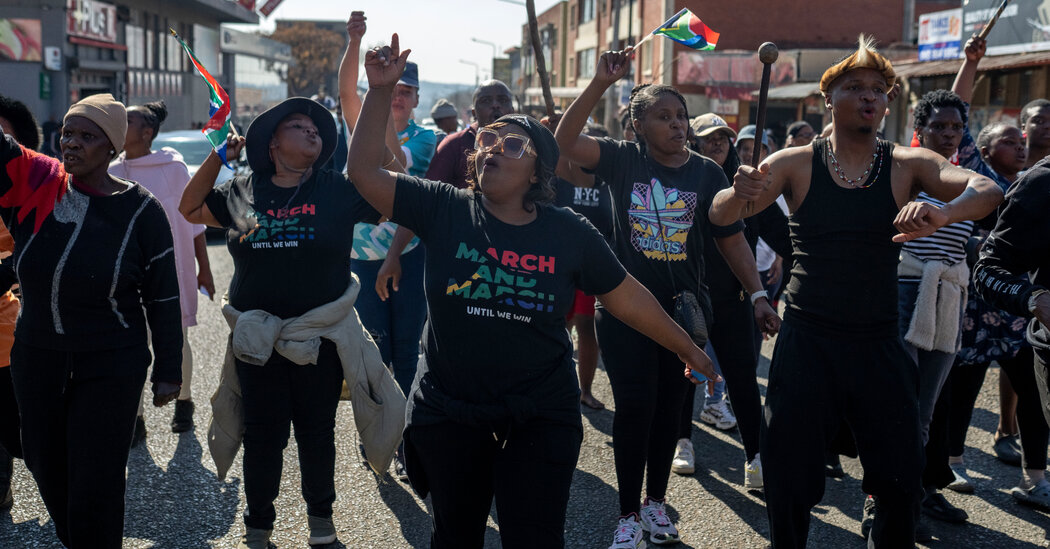
Katrin is away this week, so I’ll be hosting the newsletter. Today’s is about the increasingly scary climate for immigrants in South Africa.
A few months ago, amid concerns about anti-immigrant violence, Ghana chartered a flight to repatriate 300 of its citizens from South Africa. It was an “extraordinary move,” John Eligon, our Johannesburg bureau chief, wrote at the time — but other countries soon followed suit. In the weeks since, Kenya, Malawi, Nigeria and Uganda have also organized repatriation efforts.
This isn’t the first time that South Africa has been rocked by xenophobic violence. But it seems different this time around. The anti-immigrant activists are more organized; the pushback from other African countries has been fiercer. Today, John writes about how the latest protests have led to an identity crisis in South Africa.
As part of my reporting on anti-immigrant activists, I recently tagged along with a group of South Africans who were going to raid a house that they believed had been illegally occupied by undocumented foreigners.
When we got there, the activists forced their way through burglar bars and banged the front door open. What I saw next was terrifying and sad: a line of shivering young children shuffling out, choking back tears. Their mother, Sandra, a 38-year-old asylum seeker from the Democratic Republic of Congo, emerged with fear in her eyes. She had no idea who these people were or what they had come to do.
But the activists showed little sympathy. “You can go back to your country,” a member of the mob yelled. They dumped the family’s belongings on the sidewalk, and then refused to let the mother and children back in the house.
Such is life these days in South Africa, which has recently been convulsed by a spasm of anti-immigrant threats, violence and protests.
The country is no stranger to this kind of xenophobic outrage, which has popped up every few years since 2008. This time, though, things feel a little different.
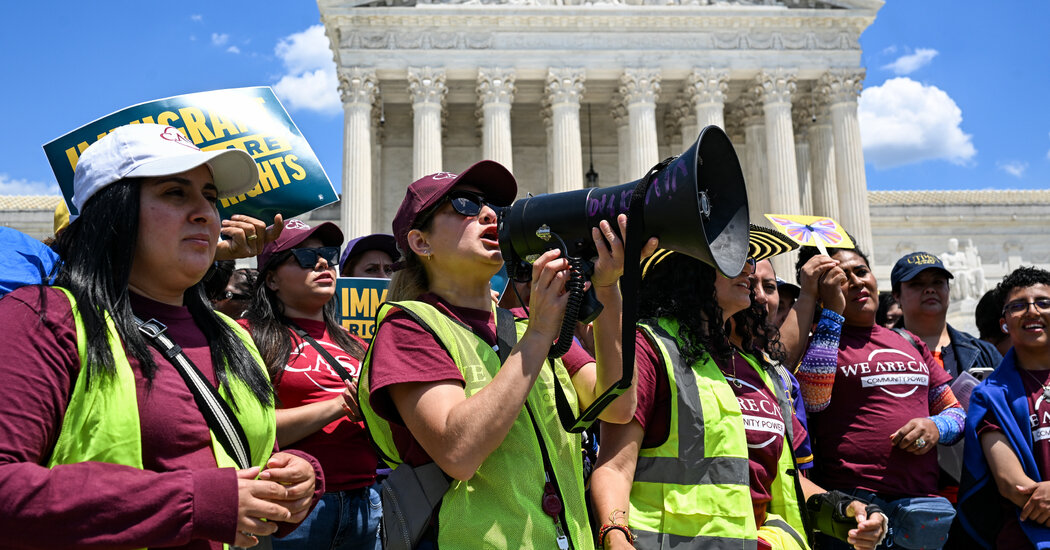
Anti-immigrant activists appear to have become more organized than in years past. Much of the unrest has been fueled by groups that coordinate nationwide marches and push campaigns on social media. The activists set an artificial deadline of June 30 for all undocumented foreigners to leave South Africa — a threat that prompted many migrants to flee and that set off panic across the country.
This all amplifies what seems to be an identity crisis in South Africa. It is a nation that holds tremendous wealth but also struggles with inequality and a high unemployment rate, which hovers at around 30 percent. South Africa projects itself as a bastion of human rights, but today it’s confronting gruesome episodes of vigilante violence.
Violence and intimidation
Coverage of African migration tends to focus on those who try to reach Europe on rickety boats, but most people stay within Africa. Many end up heading to South Africa because it has the largest economy in the continent.
But here you hear the same nativist arguments as in other parts of the world: They’re taking our jobs. They’re committing crimes. They’re straining our resources.
Officially, about three million immigrants live in South Africa, or about 5 percent of the population. There are a lot more who are undocumented.
I’ve talked to many immigrants in recent weeks who shared how citizens had barged into their homes and businesses, telling them to leave and to shut down their shops. One clip making the rounds on social media shows Emeka Nwankpu, who is from Nigeria, being confronted by anti-immigrant activists outside the shop he owns. He explained that he was in the country legally, had a business permit and employed tens of South Africans.
The activists didn’t care. “We don’t want any foreigners to run any business here, including you,” one of the them tells him in the video, jabbing a finger in his face. “So today you’re closing.”
This kind of hostility has prompted many migrants to set up makeshift camps outside consulates and embassies in South Africa’s major cities, where they await help to leave the country. It’s startling to see thousands of people sitting on bags and suitcases — tired, scared and disheveled — on the streets.
An identity crisis
The current moment reveals the contradictions that live in the minds of many South Africans.
The same South Africans who celebrate their country’s exceptionalism because of its economy and development are also quick to say that the economy can’t handle an influx of migrants. And the same government officials who warn citizens not to turn to vigilantism also blame migrants for many of the country’s challenges.
So now the country that was once seen as a global human rights darling, heralded for the leadership of Nelson Mandela and for defeating the blatant institutionalized racism of apartheid, is struggling to defend its reputation. South Africa has faced more international pressure than it did during previous xenophobic flare-ups. Officials from African countries have been particularly critical, saying that their citizens are bearing the brunt of the violence and the threats.
The country breathed a collective sigh of relief when June 30 came and went without any major violence or destruction.
But one of the anti-immigrant activists I have been following had a bitter taste in her mouth the next day. While immigrant-owned businesses were mostly closed on June 30 for safety, they were back open again the next day. She resolved to continue fighting until all the migrants were gone, once and for all.
Read John’s story about one mother’s crusade to rid South Africa of African immigrants.
OTHER NEWS
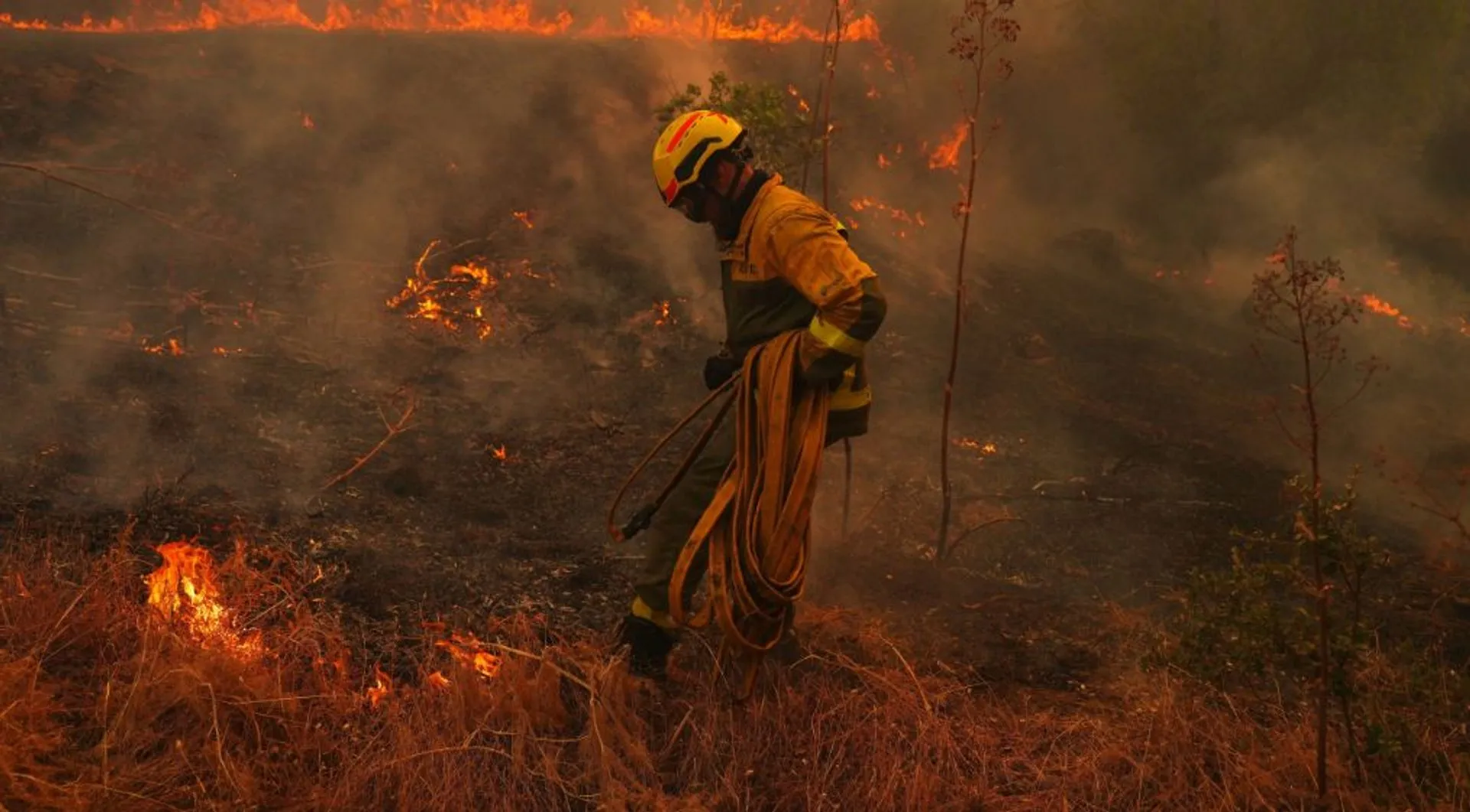
Firefighters in Spain and France battled deadly wildfires that have forced more than 300,000 people to evacuate or take shelter. Follow our coverage.
The Berlin police shot and killed a man suspected of killing a woman and injuring 29 others near a Pride event in what officials called a likely act of Islamist terrorism.
President Trump held off plans to escalate an assault on Iran, amid warnings from advisers that it could drain the U.S. stockpile of air defense munitions in the Middle East.
At least 35 people were killed and 30 more injured in Syria after a civilian bus collided with a vehicle carrying members of the country’s security forces.
Brazil blocked a visit by U.S. officials to the country over concerns they might cast doubt on the safety of its electoral systems ahead of a presidential election.
TOP OF THE WORLD
The most clicked link in your newsletter on Friday was about why a former U.S. Marine and reporter interviewed the Taliban commander he once fought.
SPORTS
A group of orcas off the coast of Baja California has found a unique way of hunting and eating largest bony fish in the world: the ocean sunfish, which can weigh more than 900 kilograms and span over four meters.
See if you can guess the method, and click through for the answer.
Do the orcas …
MORNING READ
Few male politicians have used their wardrobe as part of their political arsenal quite as strategically as Britain’s new prime minister, Andy Burnham, says Vanessa Friedman, our chief fashion critic.
His smart casual dad look — a little dorky, a little hipster wannabe, never too polished — has become part of his signature, and his sell. By eschewing ties and Armani suits for T-shirts and jeans, he signals relatability and a desire to change what power looks like. Read more.
Breaking with tradition, but keeping the goat carcass
Kok-boru is Central Asia’s answer to polo — with a few critical differences. Instead of mallets, players use their bare hands. In place of a ball, there’s a headless dead goat. The game has been played almost exclusively by men for centuries, but last year six teenage girls in the village of Asylbash formed Kyrgyzstan’s first women’s kok-boru team. They love “bringing boys to tears” when they beat them, one of them said. Read more.
RECOMMENDATIONS
Watch: Our critics recommend new movies, including a Japanese sci-fi drama and a romance set in Lebanon.
Listen: With her new album, “Music, Fashion, Film,” Charli XCX moves on from her “Brat” era.
Drink: Are you well hydrated? Take our quiz and find out.
Play: Squeezable, stretchable squish toys might bring you some unexpected joy.
RECIPE
In Poland, pierogi are always on the menu at milk bars, traditional restaurants offering affordable food and Communist nostalgia. This recipe for pierogi ruskie, stuffed with potatoes and cheese, comes from Bar Prasowy, one of Warsaw’s most famous milk bars. Snack on them straight after boiling or pan-fry them with butter until crisp.