dailynewsnblog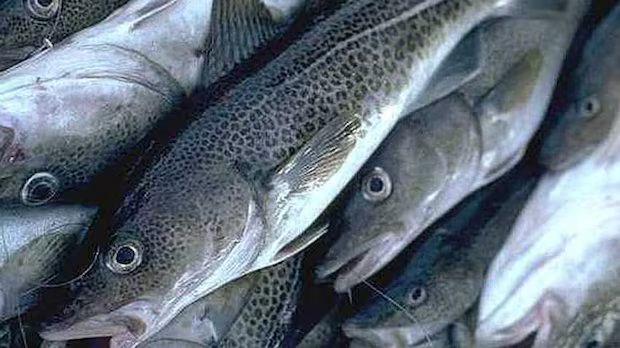

Listen to this article
Estimated 5 minutes
The audio version of this article is generated by AI-based technology. Mispronunciations can occur. We are working with our partners to continually review and improve the results.
Two months after deeming northern cod stock to be in the healthy zone, Ottawa is increasing the total allowable catch (TAC) by 55 per cent.
This brings the TAC to 59,000 tonnes, up from 38,000 tonnes in 2025 when cod was still in the cautious zone.
The decision also means fleet allocations will be higher too.
The inshore fleet is being allocated 70 per cent of the TAC, which means it is allowed to catch 41,300 tonnes, up from 30,400 last year. The offshore and mid-shore fleet is being allocated 20 per cent, the TAC increased to 11,806 tonnes, up from 3,800 last year.
Indigenous and special fleets will get 10 per cent, which amounts to 5,895 tonnes. That is up from 3,801 tonnes last year.
In a statement Friday, the Department of Fisheries (DFO) said this increase is the result of “years of science-based decision-making,” and indicates northern cod is “on a path to once again be a key driver of the fishing economy.”
The northern cod fishery was the backbone of the province’s economy for centuries, before stock began to collapse, resulting in Ottawa imposing a moratorium on the fishery in 1992.
The moratorium was lifted in 2024, with a slight TAC increase from 13,000 tonnes to 18,000.
DFO announced the northern cod stock was in the healthy zone in April.

While Friday’s announcement demonstrates a significant upward trend for the fishery, it is still significantly lower than the TAC in the pre-moratorium era — which was 250,000 in the late 1980s.
“To be in a place that as fisheries minister for Canada, I’m able to say the health of the stock is such that we can see increases… That’s a remarkable day,” Joanne Thompson told CBC Radio’s The Broadcast.
Thompson said she is committed to making sure the health of the stock doesn’t fall backwards.
“We need to balance a celebration that cod is in a healthy zone, but we need to continue to do all that we can to ensure that rebuild continues,” she said.
Thompson encourages Labrador partnership
Last month the Labrador Fishermen’s Union Shrimp Company made its pitch to receive five per cent of the total allowable catch.
Due to depleting crab and shrimp stocks, CEO Dwight Russell argued coastal communities would benefit from having five per cent of the fishery’s TAC.
When CBC asked Thompson about this request, she suggested the company partner with NunatuKavut Community Council (NCC) to determine how much of the quota it can get.
The council is set to receive 3.33 per cent under the special allocation of the TAC, which amounts to 1,965 tonnes.
“I think Labradorians would agree that this would be a win-win,” said Thompson. “The resource stays in the region, so there are opportunities. I just encourage all involved to work together.”
Hearing the comments, Russell told The Broadcast the NCC will do what it wants with the quota it has and the core message is a Labrador company is being told to buy quota, while boats from “down South” see larger offshore allocations.
“What we’re seeing here is a total stray away from that very strong principle of adjacency that have guided quota cases for years … and that got to be concerning for everyone in the province,” he said.
Canada failing to abide by treaty: Nunatsiavut
The Nunatsiavut Government says adjacency is not just a principle in fisheries management. It is also part of the Labrador Inuit Land Claims Agreement, the modern treaty signed between Inuit in the region and the Government of Canada.
In a statement, Nunatsiavut leadership called for the new quota allocations to be immediately revoked, highlighting NCC does not have section 35 rights but received an allocation to match that of Nunatsiavut.
“In light of decisions like this, any suggestion of reconciliation by DFO is not worth the paper it is written on,” said Nunatsiavut Land and Natural Resources Minister Tom Evans.
FFAW says overall ‘very positive’ with caveat
The Fish, Food and Allied Workers Union said the overall TAC increase is more than they were seeking and considers the announcement “very positive” on the whole.
“Obviously this increase is going to mean a lot for our members whether in the fishing boat or in the processing plant,” said president Dwan Street.
She was less enthusiastic about some of the details, including a higher share of quota for the offshore, not wanting the inshore sector she represents to lose ground in the big picture as cod catches grow.
Download our free CBC News app to sign up for push alerts for CBC Newfoundland and Labrador. Sign up for our daily headlines newsletter here. Click here to visit our landing page.