dailynewsnblog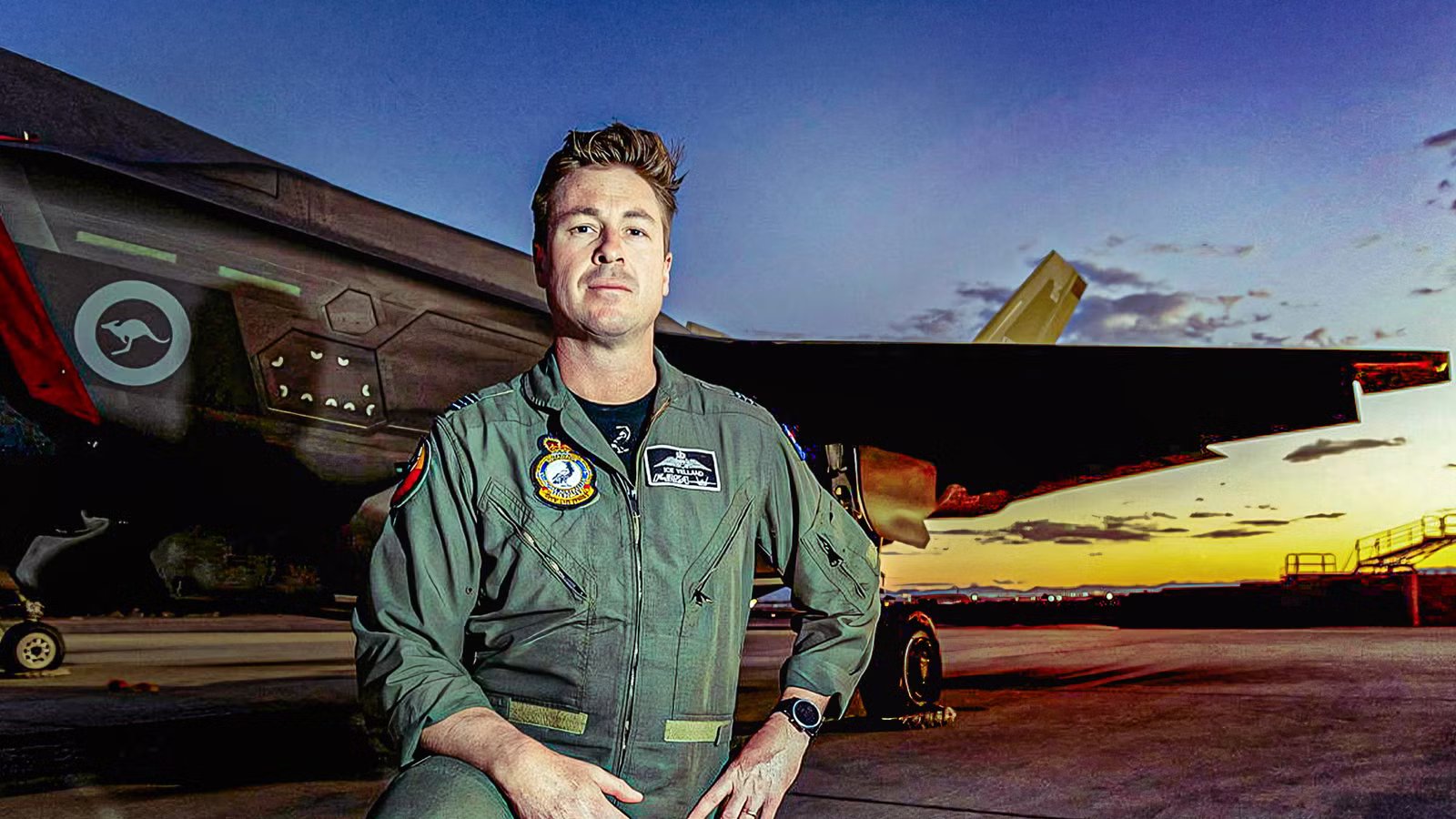
Royal Australian Air Force fighter pilots sit at the center of one of the most expensive and technologically advanced military platforms in the Indo-Pacific. In 2026, experienced RAAF aviators flying the Lockheed MartinF-35A Lightning II and  Boeing F/A-18F Super Hornet can earn close to A$180,000 in base salary before allowances, with additional flying pay, deployment compensation, and extra military superannuation contribution, which significantly boosts total remuneration, according to Wage Calculator Australia. But despite these comparatively strong military salaries, Australia is still struggling to retain combat aviators at a time when global airline demand and defense-sector recruitment are reaching record levels.
The timing could hardly be worse for the RAAF. Australia is deep into its transition toward fifth-generation combat aviation while simultaneously competing against domestic airlines, US carriers, and private defense contractors for the same small pool of highly trained pilots. According to official RAAF pay schedules, airline salary agreements, Senate testimony, and aviation industry reporting, we will explore six major areas shaping the crisis: current Australian fighter pilot earnings, why airline salaries are pulling pilots away, how Australia’s E3 visa pathway accelerates attrition, why the F-35 transition increases the stakes, how allied nations are facing similar shortages, and whether the RAAF’s current compensation model is sustainable in the long term.
What RAAF Fighter Pilots Actually Earn In 2026

RAAF fighter pilot pay is governed by Australia’s official military officer salary structure. According to the Australian Defence Force pay tables, effective November 6, 2025, a Pilot Officer begins at A$87,091 annually, while Flying Officers range from A$91,778 to A$156,316 depending on progression and experience. Operational fighter pilots are commonly at the rank of Flight Lieutenant, with salaries ranging from A$106,257 to A$179,912 annually. Senior officers, such as Squadron Leaders, can earn up to A$193,476 before additional specialist compensation is included.
Those figures only tell part of the story. Military aviation compensation includes layers of additional financial support not reflected in standard public salary tables. Flying allowances, deployment bonuses, operational hazard compensation, and specialist aviation payments can substantially increase real take-home earnings for fighter crews. On top of that, the Australian Defence Force contributes employer superannuation at 16.4%, far exceeding Australia’s civilian mandatory superannuation level of 12%. That alone creates a sizable long-term retirement advantage compared to many civilian roles.
Even with those benefits, fighter pilot compensation remains difficult to define precisely because allowances vary significantly depending on deployment tempo, aircraft assignment, operational status, and seniority. Estimates compiled by Glassdoor’s RAAF Fighter Pilot Salary Analysis place median total compensation around A$134,000 annually in early 2026. Broader aviation salary comparisons suggest most RAAF fighter pilots likely earn somewhere between A$120,000 and A$160,000+, positioning Australia among the better-paying allied military aviation employers globally, as per Terratern Australia Pilot Salary Analysis of 2026.
Why Commercial Airlines Are Winning The Salary Battle

The RAAF’s retention challenge is not driven by low pay in absolute terms. Instead, the issue stems from the dramatic increase in commercial pilot salaries during the post-pandemic global pilot shortage. Airlines in Australia, North America, and the Middle East are now competing aggressively for experienced aviators, and military-trained pilots are among the most attractive recruits.
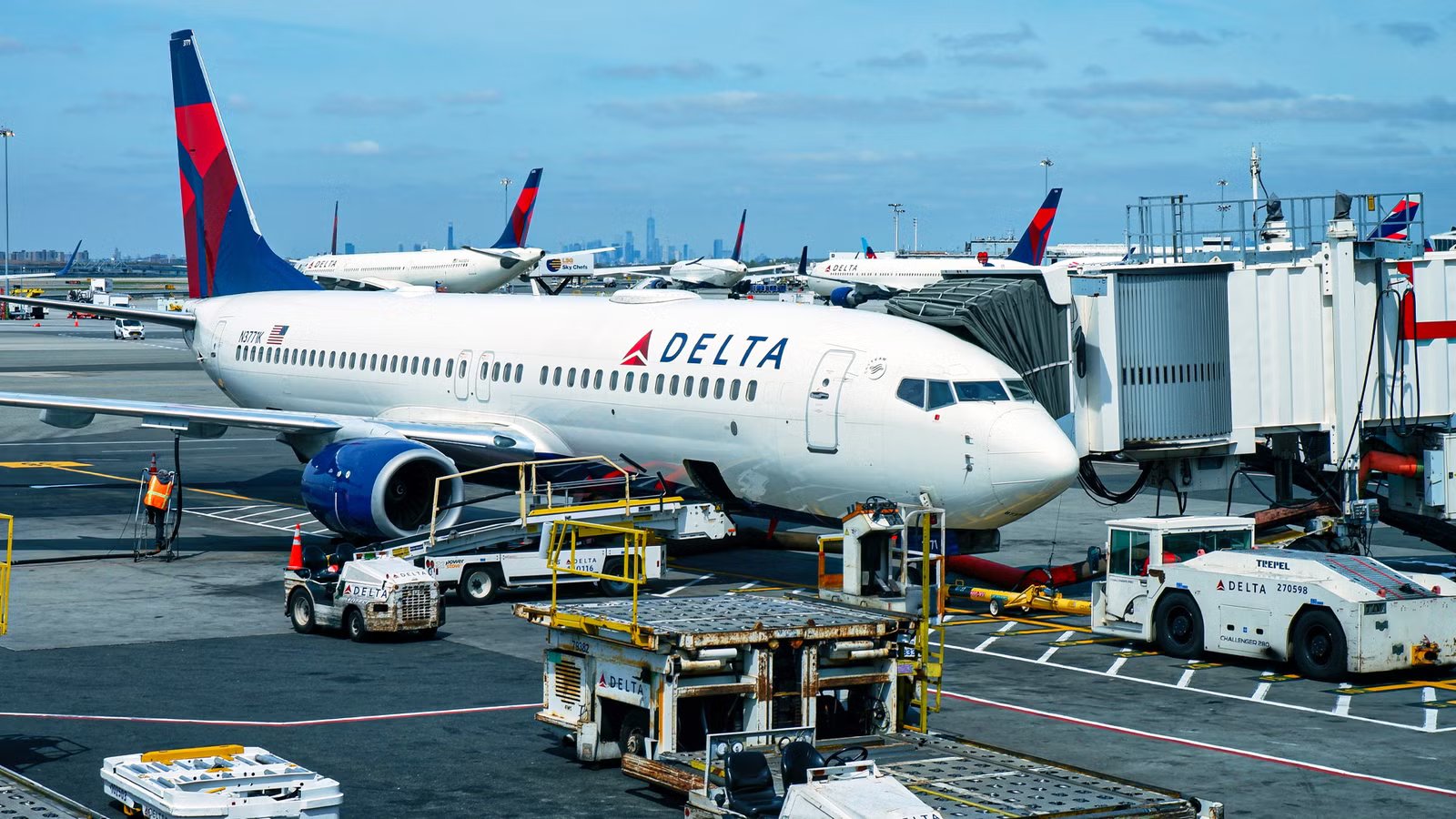
Virgin Australia’s enterprise agreement, which took effect in July 2025, highlights how far civilian salaries have climbed. Under the agreement, first officers can receive base remuneration of A$180,206 annually, while captains can earn A$277,256. That means a commercial airline captain flying domestic or regional routes may earn considerably more than an experienced RAAF fighter pilot operating one of the world’s most sophisticated combat aircraft, as reported by the Australian Aviation Magazine.
The contrast becomes even sharper when lifestyle considerations enter the equation. Military fighter pilots endure irregular deployments, combat readiness requirements, extensive recurrent training obligations, frequent relocations, and family disruption that civilian airline crews generally avoid. Commercial aviation schedules can still be demanding, but they rarely involve the operational uncertainty associated with frontline military service. For mid-career fighter pilots approaching their thirties or forties, the balance between income, family stability, and long-term career sustainability increasingly favors civilian aviation.
This trend has become visible across the broader Australian aviation industry. Australian carriers are themselves struggling to retain pilots as overseas airlines recruit aggressively from the local market. Investigations by Crikey’s Reporting On Pilot Poaching and Crikey’s Coverage Of Australia’s Pilot Shortage describe how Australian-trained aviators are increasingly viewed as premium recruits worldwide because of their training standards and operational experience. The RAAF therefore faces pressure not only from local airlines but from the global aviation market itself.
A Look At The Salaries Of Royal Canadian Air Force Fighter Jet Pilots In 2026 & Why They’re Still Not Enough
Canada may have a small air force compared with its giant USAF counterpart, but it is still struggling to retain enough pilots for the aircraft it has
The E3 Visa Pathway Gives Australian Pilots A Rare Advantage

Australia’s pilot retention problem is intensified by one factor that very few countries possess: direct access to the United States labor market through the E3 visa system. The visa arrangement, introduced after the Australia-US Free Trade Agreement era and politically linked to Australia’s support for US Military operations in Iraq and Afghanistan, gives Australian professionals unusually straightforward access to American employment opportunities.
For pilots, the implications are enormous. Australian aviators can transition into the US airline industry far more easily than many foreign competitors, opening the door to some of the world’s highest pilot salary scales. While many global pilots face restrictive visa pathways and immigration barriers, Australians possess a comparatively frictionless route into the American aviation market, as noted in Crikey’s Analysis of US Airline recruitment pressure.
This creates a unique challenge for the RAAF because military fighter pilots are especially attractive candidates for major carriers everywhere. They possess extensive flight time, advanced systems management experience, strong decision-making under pressure, and elite-level operational discipline. Those attributes translate exceptionally well into airline operations, particularly at a time when US carriers are aggressively expanding hiring pipelines.
The broader Australian Defence Force is already under strain from personnel shortages. Defence leadership informed Senate Estimates that the ADF is roughly 4,300 personnel below its authorized strength, placing stress on recruitment, operational sustainment, and training simultaneously, according to Australian Aviation Magazine. Losing highly experienced fighter pilots to an international labor market only compounds those structural pressures.
The F-35 Era Makes Every Pilot Loss More Expensive

The RAAF’s extensive use of its Lockheed Martin F-35A Lightning II fleet has dramatically increased the value of experienced combat aviators. Fifth-generation fighter operations require far more specialized and more expensive training than earlier generations of aircraft, making every operational pilot a major strategic investment.
Producing a combat-ready F-35 pilot takes years. The process includes basic officer development, initial flight training, advanced jet instruction, operational conversion courses, mission systems training, tactical exercises, and continuous combat readiness evaluation. By the time a pilot becomes fully mission-capable, the Australian government has invested millions of dollars and years of institutional effort into a single aviator.
That investment becomes vulnerable the moment experienced pilots begin leaving for civilian aviation or private-sector defense work. Fighter pilots qualified on the F-35 are increasingly sought after by airlines, defense contractors, simulation firms, aerospace companies, and allied militaries that support the growing global F-35 network. Their experience with sensor fusion, multi-domain operations, and advanced tactical systems is rare and of international value.
The RAAF, therefore, faces a difficult paradox. The more advanced its fighter fleet becomes, the more commercially attractive its pilots become outside military service. Unlike in earlier eras, when military and airline flying were more clearly separate career tracks, modern combat aviation experience now carries substantial market value across multiple industries. Each pilot departure creates not only an operational gap but also a financial loss worth millions that may take years to replace.
How Military Pilot Salaries Compare Across The US, UK, Japan & China In 2026
How the pay checks stack up in the world’s top air forces.
Many Air Forces Are Facing The Same Crisis

Australia is not alone in confronting fighter pilot shortages. Across allied air forces, governments are discovering that military aviation compensation is increasingly struggling to compete against private-sector salaries and lifestyle expectations.
The United States Air Force has expanded retention incentives repeatedly in an attempt to slow pilot attrition. According to Stars and Stripes Coverage of USAF pilot bonuses and Air & Space Forces Magazine’s reporting on retention programs, some American fighter pilots can receive bonuses totaling up to US$600,000 spread across long-term service commitments. But despite those incentives, the USAF continues to report major pilot shortages.
Canada has encountered similar turbulence while preparing for its own F-35 transition. Attempts to redesign military pilot compensation based on experience-based models sparked internal disputes and dozens of grievances. CBC News coverage of Canadian pilot pay complaints noted that concerns persisted over whether the Royal Canadian Air Force would have enough trained fighter pilots once its F-35 fleet enters service in larger numbers.
Pilot Role In Australia | Estimated Annual Pay |
RAAF Fighter Pilot (Median Total Compensation) | ~A$134,000 |
RAAF Flight Lieutenant Ceiling | A$179,912 |
Virgin Australia First Officer | A$180,206 |
Virgin Australia Captain | A$277,256 |
Senior US Airline Pilots (Converted Estimates) | Often well above A$300,000 equivalent |
The table illustrates why military retention has become so difficult globally. Even relatively well-paid military pilots can struggle to compete against the earning potential available in civilian aviation. Australia’s challenge is especially severe because the country operates a relatively small fighter force and cannot rapidly replace experienced aviators once they leave.
Why The RAAF May Need A Different Compensation Model

The underlying issue facing the RAAF is structural. Traditional military officer pay systems were designed around rank progression and command responsibility, not around competing directly with international commercial aviation markets. That model worked reasonably well when airline salaries were lower and military aviation carried a unique prestige advantage. In 2026, however, the economics of pilot recruitment have changed dramatically.
An experienced fighter pilot flying frontline missions in the Indo-Pacific can still earn less than a commercial captain operating domestic passenger routes. The military career includes deployment risk, operational pressure, constant training demands, and lifestyle instability that civilian aviation often avoids. While patriotism, national service, and elite tactical flying continue to attract many aviators into military careers, those factors alone may no longer offset the widening financial gap.
Australian defense experts have increasingly argued that recruitment cannot solve the problem without stronger retention measures. Training more pilots only helps if those aviators remain in service long enough to justify the investment. Australian Defence Magazine on pilot retention reform has highlighted how recruitment, training, and retention must now be treated as interconnected strategic issues rather than isolated personnel challenges.
The RAAF still offers opportunities unavailable anywhere else in Australian aviation: high-performance tactical flying, operational deployments, advanced combat training, and participation in one of the world’s most sophisticated allied air combat networks. But the pressure on Australia’s military aviation workforce is unlikely to ease anytime soon, as airline salaries continue climbing worldwide and international recruitment pipelines expand.