Trending News:The Smart Bird Feeders Everyone’s Talking About (and Actually Buying) (2026)8 Fall Hair Accessory Trends Approved by Stylish ExpertsAt BRICS, India’s Modi warns geopolitical tensions and supply chain shocks threaten global stability75 Years Later, Disney’s Bonkers Fantasy Masterpiece Officially Gets a New SequelApple’s New iPhone Duo Folds Horizontally, Like a PassportConfirmed 2. Bundesliga Lineups: Karlsruher SC vs. Energie CottbusWeight-loss drugs shaping up to be a boon for grocers’ pharmacy unitsCoway Airmega Halo Review: Is Your Air Really Clean?WoW: The Last Titan Cinematic Ups The Stakes, But First, Xal’atathHow Minneapolis-St. Paul Became The Last US Hub Where The DC-9 Still Made Economic Sense9 Expensive-Looking Zara, H&M, and COS Autumn Buys You Need to SeeA highly anticipated Fed meeting, war worries, and an unblinking stock market: What to watch this weekI Turned the TCL Nxtpaper 11 Gen 2 Tablet Into a Great Budget Portable Monitor and an Even Better ValueConor Benn: Two-round defeat by Ryan Garcia in Las Vegas shows British fighter’s limitationsTransfer rumors, news: Chelsea to return for Roma star KonéOverwatch Reveals First Look at New Omnic Hero Coming Later This YearWith a Better Understanding of Physics, We Could Predict Volcanic EruptionsA Scrapped Boeing 747’s Airframe Is Worth Less Than A Single Piece Of Its Landing GearElsa Paired Her Jeans With the Chicest Autumn Shoe Colour TrendWhy Do Routers Have So Many Antennas?Namibia v South Africa – CricketBox Art Brawl – Duel: Professor Layton And The Spectre’s CallWisconsin Congressman Tom Tiffany suffers minor injuries after emergency landing in a lake17 Buzzy Brands to Shop From Shopbop This FallSouth Africa news – Ottneil Baartman out of Australia ODIs, Duan Jansen named replacementAt BRICS, India’s Modi warns geopolitical tensions and supply chain shocks threaten global stabilityBargain with demons and boat with the dead in joyful RPG heist quest anthology Thousand HellsBeijing bans drone possession in the city after earlier moves to tighten rulesTomorrow’s Top 25 Today projects college football rankings after Week 25 Chic and Wearable M&S Trends For Autumn 2026Beneath a Steel Sky review (1994)Who will be Rutgers football’s starting quarterback vs. USC?Final Fantasy 7 Revelation director confirms his studio is also making Kingdom Hearts 4US Open 2026 results: Elena Rybakina on title win after pre-tournament injury5 Jenni Kayne Sweater Dupes That Look And Feel ExpensiveBest MacBook Deals in 2026: MacBook Neo, Air and Pro at Their Lowest PricesThe Bizarre Rear-Fan Engine That Killed The World’s Fastest AirlinerThe 10 Privacy Tricks I Use Around My Own Smart Home (and Why You Need Them)Projecting the College Football Playoff top 12 after Week 2GTA 6 Is About to Totally Reinvent One of the Best Experiences in Video GamesThe 5 Biggest Faux Fur Fashion Trends of Autumn 2026How To Get Started With Meta’s New AI Agent, MusePakistan cricket: New Zealander Mike Hesson interested in Test coach role and was approached by EnglandWarcraft Getting Its First New RTS Campaign In Two Decades–And It’s Playable TodayCNET Readers Were Right About the iPhone Duo. But There’s One Thing They Got WrongHow To Properly Clean And Sanitize Your Secondhand Tech Finds7 Best Organic And Sustainable Slippers (2026)Women’s One-Day Cup 2026, SUR-W vs SOM-W 72nd Match Match Report, September 12, 2026Your Mother Your Mother Your Mother ReviewAll Treats, No Tricks: Start the Spooky Season Early With These 10 Halloween Decor StealsLindsay Clancy juror says Patrick Clancy’s testimony swayed her decision, reveals more about lone holdoutAre You Using The Right Ethernet Port On Your Router? Here’s How To KnowBreaking down Texas’ stunning 20-point comeback win vs. Ohio StateICYMI: Dragon Quest Monsters: The Withered World Demo Out Now On eShopThese 8 Highly Specific It Items Will Be Everywhere This AutumnAfghan woman in Texas dubbed an “alien terrorist” is deported in DOJ’s first case using obscure courtA simple model of AI-aided economic growthiPhone Duo: Pricing, Preorder Details and More for Apple’s First-Ever FoldableMoney shot: André Luiz opens MLS account with WORLDIE in SKC upsetIs A Free VPN Worth Using? Here’s Why It Could Be Risky“We want to invite people into this big tent with this grimdark setting”: Creative Assembly on how they plan to ease strategy newbies into Total War: Warhammer 40,000Search underway after Indonesian passenger ship carrying hundreds loses contactToday’s NYT Strands Hints, Answers and Help for Sept. 13, #924English Open: Mark Williams to face Ali Carter in final after fightback to beat Shaun MurphyThe 7 Best Autumn Jackets, According to a Shopping ExpertBenin bets on turning its cotton crop into clothes at homeHow To Share Your iPhone’s Location For Just As Long As You NeedWhy is Blizzard still announcing games years ahead of release? ‘We want to convey confidence in some of our biggest bets coming forward’Oklahoma State stuns No. 6 Oregon, ending 21-game FBS skidFormer CIA official found with $40 million in gold bars in plea deal talksToday’s NYT Mini Crossword Answers for Sunday, Sept. 13Mortgage lending standards are so tight that homebuyers must have ‘pristine’ credit histories, study says, as sales head for 31-year lowThe Differences In Pilot Pay Between Cargo & Passenger AirlinesRosalía, Ashtin Earle, Jake Shane Celebrate Calvin Klein EuphoriaHow Much Solar Power Do You Actually Need For An RV?Test Match Special Podcast – Cox and Root guide England to clean sweep despite Edgbaston scare.Moss studio Polyarc shuts down, becoming the latest casualty of a brutal year for VROpenAI’s Altman won’t do IPO this year, calls AI extinction risk ‘unacceptable’Trump administration to send $500 payments to nearly 1 million Obamacare participantsThese Preorder Deals Can Help You Put a New iPhone 18 Pro in Your Pocket for FreeHow Ryanair Built Europe’s Most Profitable Airline By Making Flying As Uncomfortable As PossibleThe Benefits Of Leaving Your VPN On All The TimeAFG vs IND 2026, IND vs AFG 1st T20I Match Preview7 Best Cool-Toned Lip Liners, According to a Beauty WriterThe 10 Best Tomb Raider Levels of All TimeL.A. County deputies respond to trespasser at Malibu home of Kamala HarrisDon’t Forget To Grab a New Case With Your iPhone 18 Pro PreorderWhere to watch Ryan Garcia vs. Conor Benn fight: Start time, live streamHow To Add Your Driver’s License To Apple Wallet And Where You Can Use ItDiablo 4 Season 15 Belial, Mephisto, Diablo, Baal and Moophisto GameplayPresident Trump’s childhood home sells for $2 millionValery Kaufman Launches Sidera ParisPut an Apple Watch Series 12 or Ultra 4 on Your Wrist for Less With These Preorder DealsSaturday Seacoast Roundup: Dover, Winnacunnet compete at Nashua North inviteWhy Is The Internet So Upset About NVIDIA’s DLSS 5?‘Indecent’: American Airlines Passenger Strips Naked Mid-Flight, Detained By Police In MiamiStarCraft Devs Promise New Game Will Definitely Release in 20309/11: CBS Evening News – CBS NewsShop These Preorder Deals on the New AirPods 5 Before They Drop Next WeekSouth Africa 43-28 New Zealand: Boks complete series victory in Baltimore
Welcome to Daily News & Blog – your go-to source for the latest news, insightful blogs, and trending stories from around the world.
Who We Are
At Daily News & Blog, we are passionate about delivering accurate, timely, and engaging content across various categories, including world news, economy, technology, sports, gaming, travel, fashion, health, and more. Our goal is to keep you informed, inspired, and ahead of the trends.
What We Offer
✔ Breaking News & In-Depth Analysis – Stay updated with real-time updates and well-researched articles. ✔ Diverse Topics – Covering everything from global events to lifestyle, entertainment, and innovation. ✔ Engaging Blogs – Thought-provoking opinions and expert insights on trending subjects. ✔ Reliable Sources – We curate information from trusted news providers and industry experts.
Our Mission
We aim to be more than just another news website. Our mission is to create a platform where information meets authenticity, helping our readers navigate an ever-changing world with clarity and confidence.
Join Us
Follow us for daily updates and be part of a growing community that values knowledge and meaningful discussions.
📩 Have a story or feedback? Contact us at info@dailynewsnblog.com
Trending News:The Smart Bird Feeders Everyone’s Talking About (and Actually Buying) (2026)8 Fall Hair Accessory Trends Approved by Stylish ExpertsAt BRICS, India’s Modi warns geopolitical tensions and supply chain shocks threaten global stability75 Years Later, Disney’s Bonkers Fantasy Masterpiece Officially Gets a New SequelApple’s New iPhone Duo Folds Horizontally, Like a PassportConfirmed 2. Bundesliga Lineups: Karlsruher SC vs. Energie CottbusWeight-loss drugs shaping up to be a boon for grocers’ pharmacy unitsCoway Airmega Halo Review: Is Your Air Really Clean?WoW: The Last Titan Cinematic Ups The Stakes, But First, Xal’atathHow Minneapolis-St. Paul Became The Last US Hub Where The DC-9 Still Made Economic Sense9 Expensive-Looking Zara, H&M, and COS Autumn Buys You Need to SeeA highly anticipated Fed meeting, war worries, and an unblinking stock market: What to watch this weekI Turned the TCL Nxtpaper 11 Gen 2 Tablet Into a Great Budget Portable Monitor and an Even Better ValueConor Benn: Two-round defeat by Ryan Garcia in Las Vegas shows British fighter’s limitationsTransfer rumors, news: Chelsea to return for Roma star KonéOverwatch Reveals First Look at New Omnic Hero Coming Later This YearWith a Better Understanding of Physics, We Could Predict Volcanic EruptionsA Scrapped Boeing 747’s Airframe Is Worth Less Than A Single Piece Of Its Landing GearElsa Paired Her Jeans With the Chicest Autumn Shoe Colour TrendWhy Do Routers Have So Many Antennas?Namibia v South Africa – CricketBox Art Brawl – Duel: Professor Layton And The Spectre’s CallWisconsin Congressman Tom Tiffany suffers minor injuries after emergency landing in a lake17 Buzzy Brands to Shop From Shopbop This FallSouth Africa news – Ottneil Baartman out of Australia ODIs, Duan Jansen named replacementAt BRICS, India’s Modi warns geopolitical tensions and supply chain shocks threaten global stabilityBargain with demons and boat with the dead in joyful RPG heist quest anthology Thousand HellsBeijing bans drone possession in the city after earlier moves to tighten rulesTomorrow’s Top 25 Today projects college football rankings after Week 25 Chic and Wearable M&S Trends For Autumn 2026Beneath a Steel Sky review (1994)Who will be Rutgers football’s starting quarterback vs. USC?Final Fantasy 7 Revelation director confirms his studio is also making Kingdom Hearts 4US Open 2026 results: Elena Rybakina on title win after pre-tournament injury5 Jenni Kayne Sweater Dupes That Look And Feel ExpensiveBest MacBook Deals in 2026: MacBook Neo, Air and Pro at Their Lowest PricesThe Bizarre Rear-Fan Engine That Killed The World’s Fastest AirlinerThe 10 Privacy Tricks I Use Around My Own Smart Home (and Why You Need Them)Projecting the College Football Playoff top 12 after Week 2GTA 6 Is About to Totally Reinvent One of the Best Experiences in Video GamesThe 5 Biggest Faux Fur Fashion Trends of Autumn 2026How To Get Started With Meta’s New AI Agent, MusePakistan cricket: New Zealander Mike Hesson interested in Test coach role and was approached by EnglandWarcraft Getting Its First New RTS Campaign In Two Decades–And It’s Playable TodayCNET Readers Were Right About the iPhone Duo. But There’s One Thing They Got WrongHow To Properly Clean And Sanitize Your Secondhand Tech Finds7 Best Organic And Sustainable Slippers (2026)Women’s One-Day Cup 2026, SUR-W vs SOM-W 72nd Match Match Report, September 12, 2026Your Mother Your Mother Your Mother ReviewAll Treats, No Tricks: Start the Spooky Season Early With These 10 Halloween Decor StealsLindsay Clancy juror says Patrick Clancy’s testimony swayed her decision, reveals more about lone holdoutAre You Using The Right Ethernet Port On Your Router? Here’s How To KnowBreaking down Texas’ stunning 20-point comeback win vs. Ohio StateICYMI: Dragon Quest Monsters: The Withered World Demo Out Now On eShopThese 8 Highly Specific It Items Will Be Everywhere This AutumnAfghan woman in Texas dubbed an “alien terrorist” is deported in DOJ’s first case using obscure courtA simple model of AI-aided economic growthiPhone Duo: Pricing, Preorder Details and More for Apple’s First-Ever FoldableMoney shot: André Luiz opens MLS account with WORLDIE in SKC upsetIs A Free VPN Worth Using? Here’s Why It Could Be Risky“We want to invite people into this big tent with this grimdark setting”: Creative Assembly on how they plan to ease strategy newbies into Total War: Warhammer 40,000Search underway after Indonesian passenger ship carrying hundreds loses contactToday’s NYT Strands Hints, Answers and Help for Sept. 13, #924English Open: Mark Williams to face Ali Carter in final after fightback to beat Shaun MurphyThe 7 Best Autumn Jackets, According to a Shopping ExpertBenin bets on turning its cotton crop into clothes at homeHow To Share Your iPhone’s Location For Just As Long As You NeedWhy is Blizzard still announcing games years ahead of release? ‘We want to convey confidence in some of our biggest bets coming forward’Oklahoma State stuns No. 6 Oregon, ending 21-game FBS skidFormer CIA official found with $40 million in gold bars in plea deal talksToday’s NYT Mini Crossword Answers for Sunday, Sept. 13Mortgage lending standards are so tight that homebuyers must have ‘pristine’ credit histories, study says, as sales head for 31-year lowThe Differences In Pilot Pay Between Cargo & Passenger AirlinesRosalía, Ashtin Earle, Jake Shane Celebrate Calvin Klein EuphoriaHow Much Solar Power Do You Actually Need For An RV?Test Match Special Podcast – Cox and Root guide England to clean sweep despite Edgbaston scare.Moss studio Polyarc shuts down, becoming the latest casualty of a brutal year for VROpenAI’s Altman won’t do IPO this year, calls AI extinction risk ‘unacceptable’Trump administration to send $500 payments to nearly 1 million Obamacare participantsThese Preorder Deals Can Help You Put a New iPhone 18 Pro in Your Pocket for FreeHow Ryanair Built Europe’s Most Profitable Airline By Making Flying As Uncomfortable As PossibleThe Benefits Of Leaving Your VPN On All The TimeAFG vs IND 2026, IND vs AFG 1st T20I Match Preview7 Best Cool-Toned Lip Liners, According to a Beauty WriterThe 10 Best Tomb Raider Levels of All TimeL.A. County deputies respond to trespasser at Malibu home of Kamala HarrisDon’t Forget To Grab a New Case With Your iPhone 18 Pro PreorderWhere to watch Ryan Garcia vs. Conor Benn fight: Start time, live streamHow To Add Your Driver’s License To Apple Wallet And Where You Can Use ItDiablo 4 Season 15 Belial, Mephisto, Diablo, Baal and Moophisto GameplayPresident Trump’s childhood home sells for $2 millionValery Kaufman Launches Sidera ParisPut an Apple Watch Series 12 or Ultra 4 on Your Wrist for Less With These Preorder DealsSaturday Seacoast Roundup: Dover, Winnacunnet compete at Nashua North inviteWhy Is The Internet So Upset About NVIDIA’s DLSS 5?‘Indecent’: American Airlines Passenger Strips Naked Mid-Flight, Detained By Police In MiamiStarCraft Devs Promise New Game Will Definitely Release in 20309/11: CBS Evening News – CBS NewsShop These Preorder Deals on the New AirPods 5 Before They Drop Next WeekSouth Africa 43-28 New Zealand: Boks complete series victory in Baltimore
If last week was the setup (consumer and wholesale inflation data, surging oil prices), then this week is the main event, with all eyes squarely on Washington, D.C., where the Federal Reserve on Wednesday will announce its latest rate decision.
With a relatively quiet calendar otherwise, the hike vs. hold debate — and its impact on markets — will define the week.
The rising yields and oil prices weighed on the stock market, which welcomed the higher-than-expected inflation report on Friday that signaled a coming Fed hike.
For the week, the S&P 500 (^GSPC) rose 0.8%, and the Dow (^DJI) and Nasdaq (^IXIC) rose 0.9%.
Wednesday will set the tone for the entire week, with the Fed’s decision due out at 2 p.m. ET, followed by a press conference from Chairman Kevin Warsh at 2:30 p.m. ET. Last time, Warsh’s comments sent Treasury yields spiking as markets read an abdication of responsibility, so much attention will be paid to how the Fed chair addresses inflation.
A hike would certainly put some of those concerns to rest.
Elsewhere on the economic calendar is a collection of manufacturing data, set to give investors another view into how the AI infrastructure boom is reshaping an increasingly physical economy. We’ll get Empire manufacturing numbers on Tuesday, followed by the Federal Reserve’s industrial production and manufacturing production data on Friday.
The market gears up for a possible Fed hike on Wednesday
Federal Reserve Chairman Kevin Warsh has been very clear about one thing in the first three months of his tenure: He does not want the Fed telegraphing its next move. But investors are pretty firmly convinced they know what’s coming anyway.
After consumer pricing (CPI) data came in largely in line with estimates on Friday — with so-called “core” CPI slightly hotter than expected on a monthly basis — bets that the Fed will issue a rate hike on Wednesday have spiked to roughly 86%.
The argument is straightforward, according to JPMorgan’s chief US economist Michael Feroli: “Simply that core PCE inflation has been above 3% every month this year and has made little recent progress heading towards 2%.”
In other words, inflation is too hot, and it’s not making progress.
Pushing up bets that the Fed will hike is Warsh himself, who took a much more forceful approach in his first Jackson Hole symposium on the Fed’s role in taming inflation than he had previously. Those comments, perhaps intentionally, went toward assuaging market watchers who were concerned after the July meeting about how the new Fed chair views the central bank’s role in taming inflation.
“Price stability is not self-executing, nor is inflation necessarily mean-reverting,” Warsh said in his remarks at Jackson Hole, Wyo. “It is the Fed’s job to deliver stable prices.”
Treasury yields were relatively unchanged after the CPI release, and equity futures pointed green just after 8:30 a.m. ET, signals that the hike investors are looking for this week has been effectively priced in.
At the Fed’s last rate-setting meeting in July, the decision to hold rates steady saw dissents from Minneapolis Fed president Neel Kashkari, Cleveland Fed president Beth Hammack, and Dallas Fed president Lorie Logan. If the Fed delivers a hike on Wednesday, Feroli wrote, it’s likely to be a unanimous call.
“We think it’s a closer call than the market is pricing, but at the end of the day the Chair’s repeated stern warnings on inflation intolerance risk institutional credibility absent some action to back it up,” Feroli wrote.
Federal Reserve Chairman Kevin Warsh attends a press conference in Washington, D.C., on July 29, 2026. (Li Yuanqing/Xinhua via Getty Images) ·Xinhua News Agency via Getty Images
When will the stock market care about sky-high bond yields?
The war in Iran is heating back up, 10-year Treasury yields are approaching 5%, and the Fed looks poised to raise rates, a move typically taken to be restrictive for the commercial sector.
Yet equities are just off all-time highs across the major indexes, and strategists across Wall Street have set rosy targets for the S&P 500, sitting near 7,670 on Friday afternoon.
That has split the outcomes for Wall Street, depending on your timeline, RBC Capital Markets head of US equity strategy Lori Calvasina said. In the near term, Calvasina wrote to clients on Friday, the risks of a “garden variety pullback” have grown — oil at $100 per barrel, US-Canada trade schadenfreude, etc.
But over the longer term, Calvasina said, RBC “remain[s] constructive,” with potential upside risk to their 12-month S&P 500 target of 8,150 — a premium of roughly 6% over where the index sits now — “if interest rate fears recede.”
In some ways, an interest rate hike might not make that much of a difference, LPL Financial chief equity strategist Jeff Buchbinder argued in a note to clients on Friday. Despite all of the potential headwinds facing the market, equities remain close to all-time highs, largely spurred forward by the massive investment cycle driven by AI.
Even as a hike — and the hiking cycle it almost certainly implies — could create some volatility, Buchbinder wrote, “history suggests that strong economic fundamentals can help offset the headwinds from higher rates.”
To his point, the second quarter earnings season was unambiguously strong overall. Nvidia (NVDA) beat Wall Street’s earnings estimates once more, news that came as a surprise to nobody who’s been following the company. The Big Tech hyperscalers — Alphabet (GOOG, GOOGL), Amazon (AMZN), Microsoft (MSFT), Meta (META), and Oracle (ORCL) — all raised capex guidance once more.
If the Fed hikes rates, the argument goes, the AI economic machine might shrug it off.
“As long as economic growth remains intact and recession risks stay contained, equity markets have historically been able to move higher even in a rising-rate environment,” Buchbinder wrote.
People walk outside the New York Stock Exchange (NYSE) on Sept. 9, 2026, in New York City. (Spencer Platt/Getty Images) ·Spencer Platt via Getty Images
Oil prices are back over $100 per barrel
Another thorn in the side of the Federal Reserve’s dovish members has reemerged: oil prices above $100 per barrel.
Brent oil prices crossed $100 for the first time in roughly two months on Wednesday as a resurgence in the US-Iran conflict and worries over disruptions throughout the global oil complex pushed prices past the triple-digit mark.
The conflict in the Middle East, now in its seventh month, has continued to snarl the flow of energy products out of the Persian Gulf as Washington and Tehran remain at war, with shipping through the Strait of Hormuz still constrained by the threat of violence.
At the same time, the global energy market is facing pressures on multiple fronts outside Iran. To the west, attacks in recent days by the Houthi militant group on Saudi Arabian energy infrastructure have caused a shutdown of a key Hormuz alternative to the Red Sea that moves several million barrels per day.
To the north, strikes by the Ukrainian military inside Russia have effectively targeted Moscow’s refining sector, shuttering capacity in a crucial market that, prior to 2022, was responsible for roughly 10% of the world’s diesel exports.
“Oil investors are expressing their view about the impact of the latest bout of escalation in the Middle East in an unambiguous way,” said Tamas Varga, an analyst at PVM Oil Associates. “They are voting with their dollar, and this vote strongly indicates that unless the Strait of Hormuz re-opens, and oil starts flowing again uninterruptedly, supply will not be aligned with demand in the foreseeable future.”
Merchant ships belonging to Iran and other countries remain at anchor in the Strait of Hormuz in Bandar Abbas, Iran, on Sept. 10, 2026. (Fatemeh Bahrami/Anadolu via Getty Images) ·Anadolu via Getty Images
Economic and earnings calendar
Monday
Economic data: No notable economic data.
Earnings calendar: AnaptysBio (ANAB); Kestra Medical Technologies (KMTS); Dave & Buster’s Entertainment (PLAY)
Tuesday
Economic data: ADP weekly employment change, week ended Aug. 29 (+12,000 previously); Empire manufacturing, September (14.1 expected, 20.6 previously)
Earnings calendar: Forgent Power Solutions (FPS); Vera Bradley (VRA)
Wednesday
Economic data: FOMC rate decision; MBA mortgage applications, week ended Sept. 11 (-2.7% previously); New York Fed services business activity, September (0.5 previously); Retail sales advance, month-on-month, August (+0.9% expected, -0.6% previously); Retail sales ex auto and gas, month-on-month, August (+0.4% expected, -0.2% previously); Import price index, year-on-year, August (+5.9% previously); Export price index, year-on-year, August (+8.2% previously); Business inventories, July (+0.2% expected, +0% previously); NAHB housing market index, September (34 expected, 35 previously)
Earnings calendar: Lennar Corporation (LEN)
Thursday
Economic data: Philadelphia Fed business outlook, September (28.6 expected, 47.4 previously); Initial jobless claims, week ended Sept. 12 (206,000 previously); Continuing claims, week ended Sept. 5 (1.774 million previously); Housing starts, month-on-month, August (1.315 million expected, 1.239 million previously); Building permits, month-on-month, August preliminary reading (-0.9% expected, +4.3% previously)
Earnings calendar: No notable earnings.
Friday
Economic data: Industrial production, month-on-month, August (+0.3% expected, +0.2% previously); Manufacturing production, month-on-month, August (+0.3% expected, +0.2% previously); Capacity utilization, August (76.4% expected, 76.3% previously)
Earnings calendar: No notable earnings.
Click here for in-depth analysis of the latest stock market news and events moving stock prices
Read the latest financial and business news from Yahoo Finance
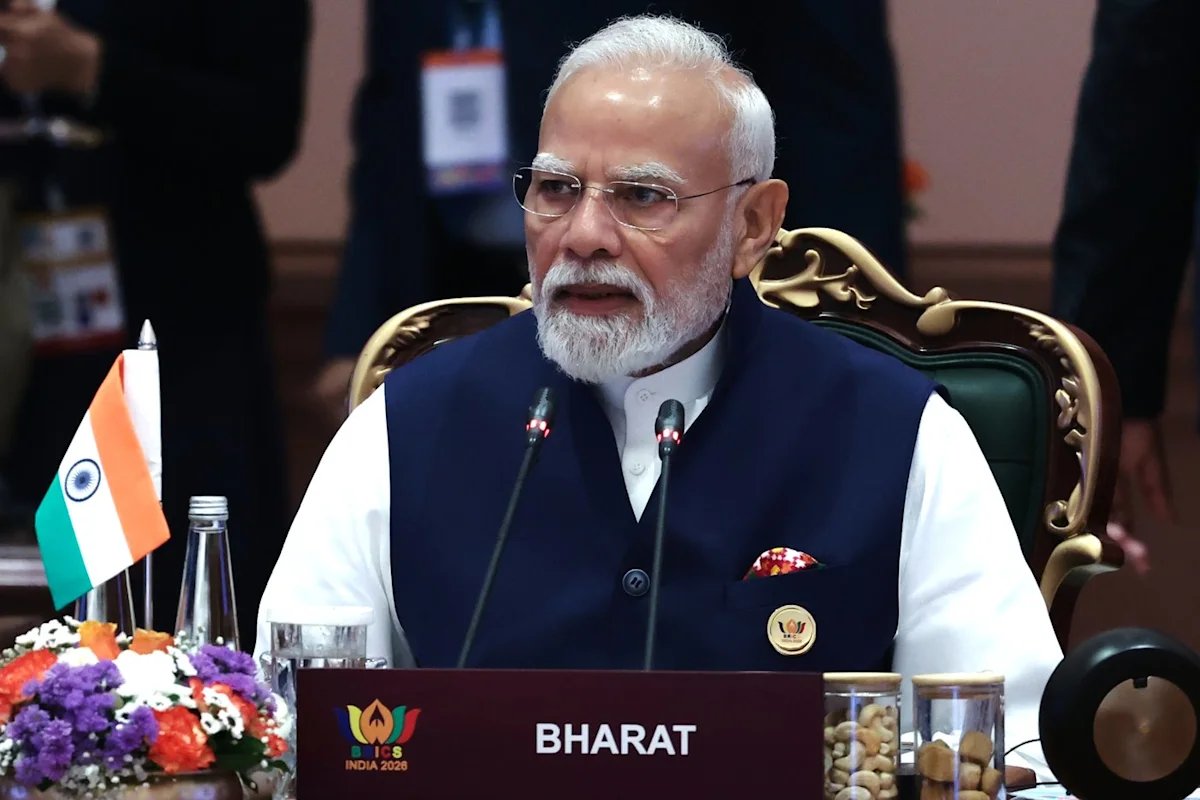
NEW DELHI (AP) — Indian Prime Minister Narendra Modi on Sunday warned that rising geopolitical tensions, supply chain disruptions and climate crises are increasingly affecting people worldwide and called for…
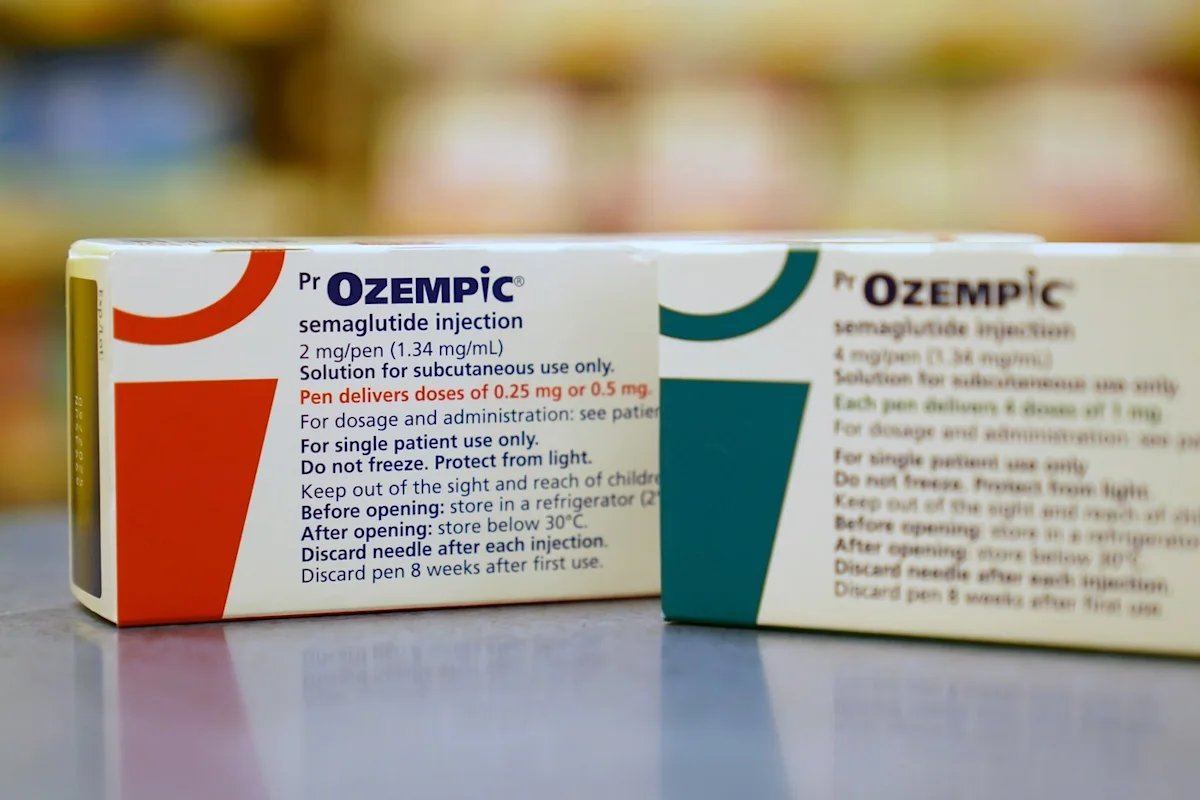
Diabetes drug Ozempic is shown at a pharmacy in Toronto on Wednesday, April 19, 2023. THE CANADIAN PRESS/Joe O’Connal – The Canadian Press While discount stores have been a bright…


 dailynewsnblog