dailynewsnblog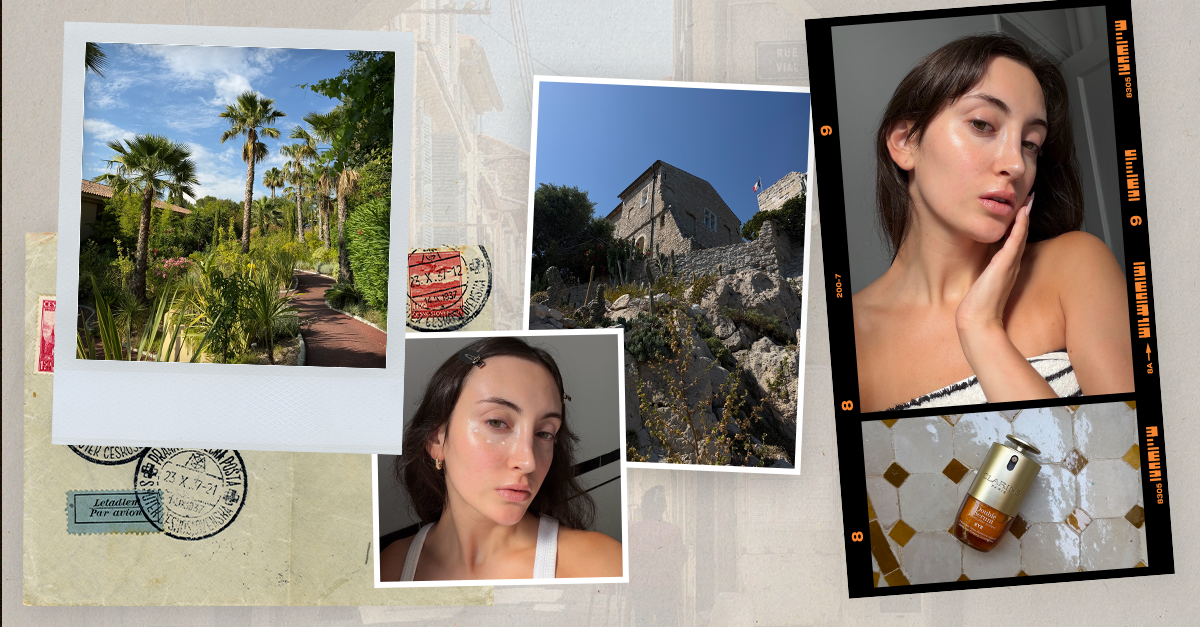
The beauty industry has long promoted the idea of longevity. Whether through topical potions or ingestible supplements, there are seemingly endless options on the market today that promise noticeable hair growth, firmer skin, and improved collagen production later in life. As a beauty editor, I’m a bit skeptical of these claims. After all, which string of proteins or peptide chain can stall the hands of time? But after noticing my first signs of aging (slight crow’s-feet and etches below my eyes worsened by purple circles from an unstable sleep schedule, stress, and travel), I suddenly found myself paying these products a bit more attention.
The state of our skin is often one of the first indicators of age: Lines begin to streak across our complexions, under-eye volume slowly fades, and a dark haze settles below our orbs. While aging is inevitable, skincare can help slow the effects of time tremendously—especially when you factor in a clinically tested eye serum as potent as the one I’ve been using for the last 20 days.

You may recognize its name if you’ve walked along the walls of French department stores and premium beauty retailers, but its contents are entirely new. Meet the Clarins Double Serum Eye, an upgraded version of the “age-defying concentrate” that marries the latest findings from Clarins’s seven years of longevity research—hyperfocused on delicate under-eye skin—and the technology behind the brand’s beloved Double Serum. After picking up this product in the South of France and learning to implement it into my routine the French way (more on that later), my skin was undeniably transformed.

What is the Clarins Double Serum Eye?

Clarins
Double Serum Eye Brightening + Depuffing Anti-Aging Concentrate
Size: 0.7 oz. | Key ingredients: Marjoram extract, turmeric, arabica coffee, avocado | Skin type: All
To say that the Clarins Double Serum Eye is new would be a false statement. The brand added the concentrated serum to its top-selling Double Serum family in 2021. But much like how the French beauty brand occasionally releases new versions of its iconic Double Serum as its hungry team of researchers discovers new ingredients and advancements, the same happens with the Double Serum Eye. The modern result is this hot-from-the-lab formula that addresses several hallmarks of aging at the cellular level; targets every millimeter of the eye contour, from frown lines to bags; and includes an underappreciated Mediterranean skincare ingredient that makes all the difference.

This new and improved serum features two different formulas nestled inside the golden bottle—a hydric solution and a soothing emulsion. The chambers are kept separate so the ingredients can perform at the highest level, working best together on the skin instead of being mixed inside the bottle. You can see the separation in each drop: a dash of white cream inside a splash of hydrating gel.
How It’s Different
The original Double Serum Eye boasted turmeric and organic wild chervil, an herb that visibly reduces signs of aging. Much like the new iteration, the packaging is largely made from recycled materials and includes a single-shot dispenser. However, the 2026 upgrade features a bevy of new ingredients that take this formula to the next level, including plant-based caffeine for puffiness, niacinamide for dark circles, and marjoram extract (the star of the show!) for epigenetic balance.

The original Clarins Double Serum Eye (L) and the new Double Serum Eye (R)
(Image credit: Clarins; Sephora)
Clarins’s team of researchers knew that it needed to look backward in order to move forward in the fight for longevity. “We study ethnobotany—how different populations, like Chinese and African populations, used these plants decades and centuries ago,” Nathalie Issachar, the director of global research and development at Clarins, tells Who What Wear. After testing more than 908 plants in extensive research labs, marjoram was found to produce collagen fibers by way of wound-healing, which later proved to counteract the natural decrease in collagen production after one’s mid-20s.
Though collagen production drops earlier in life, a press release detailing Clarins’s studies shows that 85% of human genetics are affected by lifestyle, not the mere passage of time. In short, it matters more what you are doing for your skin as you age rather than your age itself, which is why the team conducted an exclusive study on 60 monozygotic twins (siblings with the very same DNA) to analyze the differences. While one twin implemented Double Serum Eye into their routine, the other did not.
“With the same DNA, you should age the same, and this is how we wanted to demonstrate biological age,” Issachar explains. In the end, the differences were stark: noticeable pores, slightly saggier skin, and deeper wrinkles on the twin who did not use the Double Serum Eye compared to the twin who did. When utilized by someone with a healthy lifestyle, the formula can perceptually shave four years off one’s age by reducing the appearance of crow’s-feet, frown lines, and wrinkles and improving under-eye brightness. (No, it is not the fountain of youth). During a busy summer that threatens to make my skin look older than I am, I jumped at the chance to try it.

Brascia’s first day testing the new Clarins Double Eye Serum
How I Tested
Eye serums and creams have long created issues in my daily routine. Some don’t absorb fast enough or at all, causing unsightly pilling when I blend my concealer. This discourages me from using them as often as I should, so the dark circles and fine lines continue to worsen. This featherlight formula, however, absorbs into the skin quickly, offering a quick hit of hydration under and around the eyes before melting into my barrier like butter.
Dispensing the product was easy. One single-shot pump delivered the perfect amount of product for a broad temple-to-temple sweep. Whether I tapped it into my skin or swiped in delicate strokes, the formula bathed the thin skin of my under-eyes in a light, refreshing wash. Within a minute, I could begin my makeup routine without worry, and my nighttime routine was even easier. Right after washing my face and using a gentle toner, I could apply this luscious eye serum and seal everything in with a night cream. Et voilà!
How to Apply Eye Serum Like the French
While you can apply your eye serum to the under-eyes and upper lids and see impressive results, Issachar recommends swiping it from temple to temple to reap the most benefits. “We advise the consumer to use it from here to here,” she explains, drawing a finger from one temple to the other. “It’s good to use on the lion line too,” pointing to the small line that can form between one’s eyebrows.
If you want to use this potent formula like a pro, you can even apply it to your smile lines. In fact, according to Clarins’s clinical trials, 87% of testers saw a decrease in visible signs of aging around the lips when they multitasked with the Double Serum Eye. “Jacques Courtin-Clarins, the founder of Clarins, said that the way we apply product is very important. When we are developing an application method, we are using a lot of touch—not really elongating or displacing the skin—in order not to disrupt the fibers,” she says, faux-tugging on her skin for dramatic effect. “This is what is creating the signs of aging, especially wrinkles, because it’s breaking down the collagen fibers.” In short, be gentle on your skin, and let the pricey products do the work you paid for.
Is the Clarins Double Serum Eye worth it?
Speaking of price, after 20 days of testing this product, I can confidently confirm that this eye serum is worth the $86. This action-packed formula totals just $2 higher than its predecessor despite being reinvented with new technology and more effective ingredients. In fact, the brand’s consumer tests show that 100% of users experienced a noticeable improvement from the original Double Serum Eye to this upgraded version.
Aside from its buzzy consumer data and line-diminishing properties, I could see a visible difference in my skin’s tone and texture in just one week. The caffeine offers a nearly instant brightening effect, and a hydrating mixture of avocado oil and horse chestnut tree extract imparts a glass skin glow.
Though the formula has a noticeable “clean” scent that I’d liken to a ritzy New York City hotel, it has yet to irritate my sensitive skin. I’m muscling through a bit of stress-induced sleeplessness this summer (frequent travel, busy weekends, and apartment searching in NYC will do that to you), and this serum has kept my slowly aging skin looking and feeling healthy and well-rested on my most fatigued days.

Brascia after one week of testing the new Clarins Double Serum Eye
Shop the Double Serum Eye
Clarins
Double Serum Eye Brightening + Depuffing Anti-Aging Concentrate
Shop More Clarins Products I Love

Here’s the iconic Double Serum in the flesh. This two-in-one, fast-acting formula works hard to boost the hydration and firmness of the skin while minimizing the appearance of pores.

Clarins
Total Eye Lift Eye Cream
Double down on your under-eye health with this firming treatment.

Clarins
Precious La Crème Brightening Moisturizer
One of the brand’s more prestigious products, this pricey moisturizer is infused with vitamin C, plant-based cryoextract, and peptides to quickly smooth, firm, and brighten the skin.

Clarins
Extra-Firming Energy Moisturizer
A premium everyday moisturizer to lock everything in.

Clarins
Lip Comfort Hydrating Oil
I can’t recommend Clarins products without mentioning this celeb-worn and beauty editor–loved lip oil. Each swipe offers a wash of sheer, just-kissed color and intense hydration.

Clarins
One-Step Gentle Exfoliating Cleanser
To help your skincare best penetrate your skin, use an exfoliating cleanser like this one to gently slough away your dead skin cells and start anew.

Clarins
Extra-Firming Night Moisturizer
If the Precious cream comes with a smidge too steep a price tag, try this firming elixir for $110.