dailynewsnblog
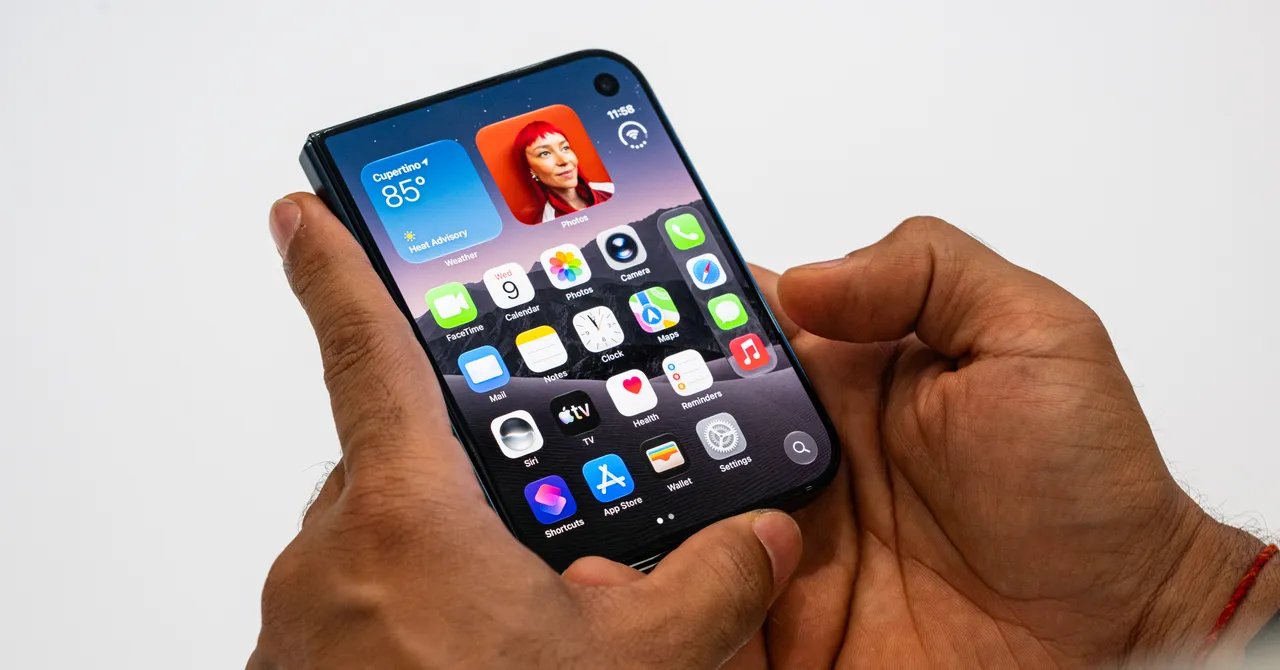
The iPhone Duo is finally here. Apple’s first folding smartphone arrives seven years after Samsung pioneered the category with the Galaxy Fold. That gave Apple plenty of time to refine the hardware behind closed doors rather than in public view—and the results show: The Duo is a pretty dang good foldable.
Whether your Duo just landed on your doorstep or you’re still weighing that $1,999 price, here’s what you need to know before unfolding it.
Apps Aren’t Optimized—Yet

Photograph: Julian Chokkattu
The iPhone Duo is a new shape and size for Apple, so many of your apps likely aren’t optimized to show up properly on the unique 5.4-inch outer screen or the 7.6-inch inner display. Apple also changed how navigational elements appear on the Duo, aligning them on the right rail instead of centering them on the bottom like every other iPhone.
Apple apps, redesigned for the Duo, look great. Many third-party apps look like the Google Home app in the picture above: a strip down the middle with thick, black bars on the sides. Several major app developers have already optimized their apps for iOS 27.1—Slack, Instagram, DoorDash, and WhatsApp, for example—but I’ve noticed that even some optimized apps like Instagram can still have broken user-interface elements. It will take time for every app in your library to work perfectly across these new screens.
It might be a good thing that the Duo is back-ordered for several weeks. By the time you snag yours, app developers will likely have caught up to the new device, and you might enjoy a richer folding experience.
Say Goodbye to Face ID

Photograph: Julian Chokkattu
Nearly a decade ago, Apple introduced Face ID as the future of the iPhone, eventually replacing the fingerprint-based Touch ID. So it might be confusing to hear that Apple’s first folding phone doesn’t have Face ID at all and instead relies on the older biometric authentication method. (Likely because Face ID tech takes up too much space in the thin iPhone Duo.) Touch ID never disappeared—Apple has used it on the iPhone SE and still features it on iPads and MacBooks—but this is the first time it has returned on a flagship iPhone.