dailynewsnblog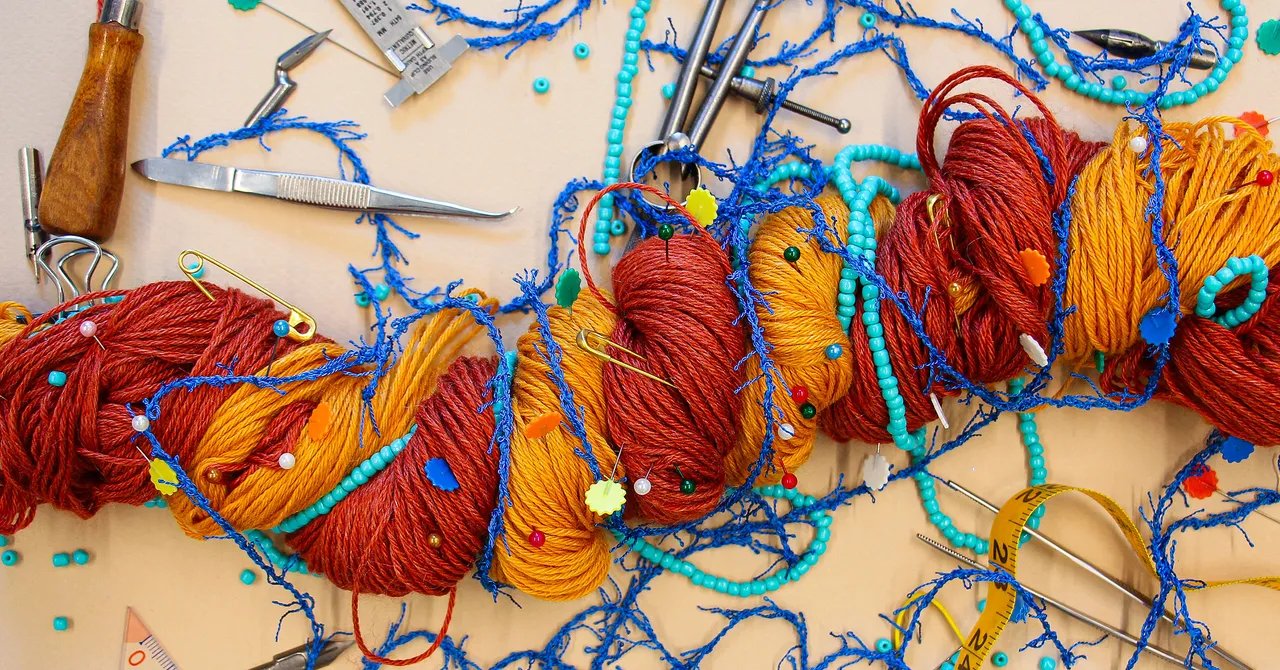
Some enhancers are, as you’d expect, close to the genes they regulate, or even sit on DNA inside a gene. But others sit far away from the gene—perhaps millions of nucleotides away, with more genes in between.
The existence of such so-called “distal” enhancers “seems bonkers,” Bickmore said. “How do you get that information from over there to over here, to the gene that needs to be activated? That’s a largely unanswered question.”
One of the answers comes in the form of a loop.
Distal enhancers are brought to the gene they regulate on great loops of DNA or, more strictly, of chromatin, the combination of DNA and its packaging proteins that are unraveled as if from a ball of wool. The loops are created by a protein motor called cohesin, which runs up and down the DNA strand and extrudes it as needed.
Once cohesin has formed a loop to bring elements together, what then? It was once thought that they then stick together or assemble into a molecular machine, but they don’t. Rather, the components appear to form a loose but dense blob in which they interact rather weakly, fleetingly, and indiscriminately—a sort of committee, sometimes called a condensate.

Courtesy of Quanta
These transcription hubs are extremely fluid and differ from one cell to another. “There’ll be a bit of loop extrusion going on over here, in the next cell it might be over here, and the whole thing is turning over incredibly fast,” Bickmore said. Even if the cells are notionally identical—both skin cells, say—exactly what the gene-regulatory machinery is up to at any moment is never quite the same in any two of them.
Chromatin loops are just one reason why a gene’s transcription depends on the shape and structure of the chromatin around it.
The textbook image of a chromosome—one of the 46 units into which our genomes are divided—is of a compact, X-shaped cluster of chromatin. But any time a cell is not actively dividing, its chromatin is unwound into what looks like a tangled mess. There is order to the chaos, however. Some parts of chromatin are densely packed into a form called heterochromatin. The compacted DNA there is relatively inaccessible to transcription factors; the genes it contains are typically silenced. Meanwhile, other parts are relatively loose, open, and accessible: This is called euchromatin.