dailynewsnblog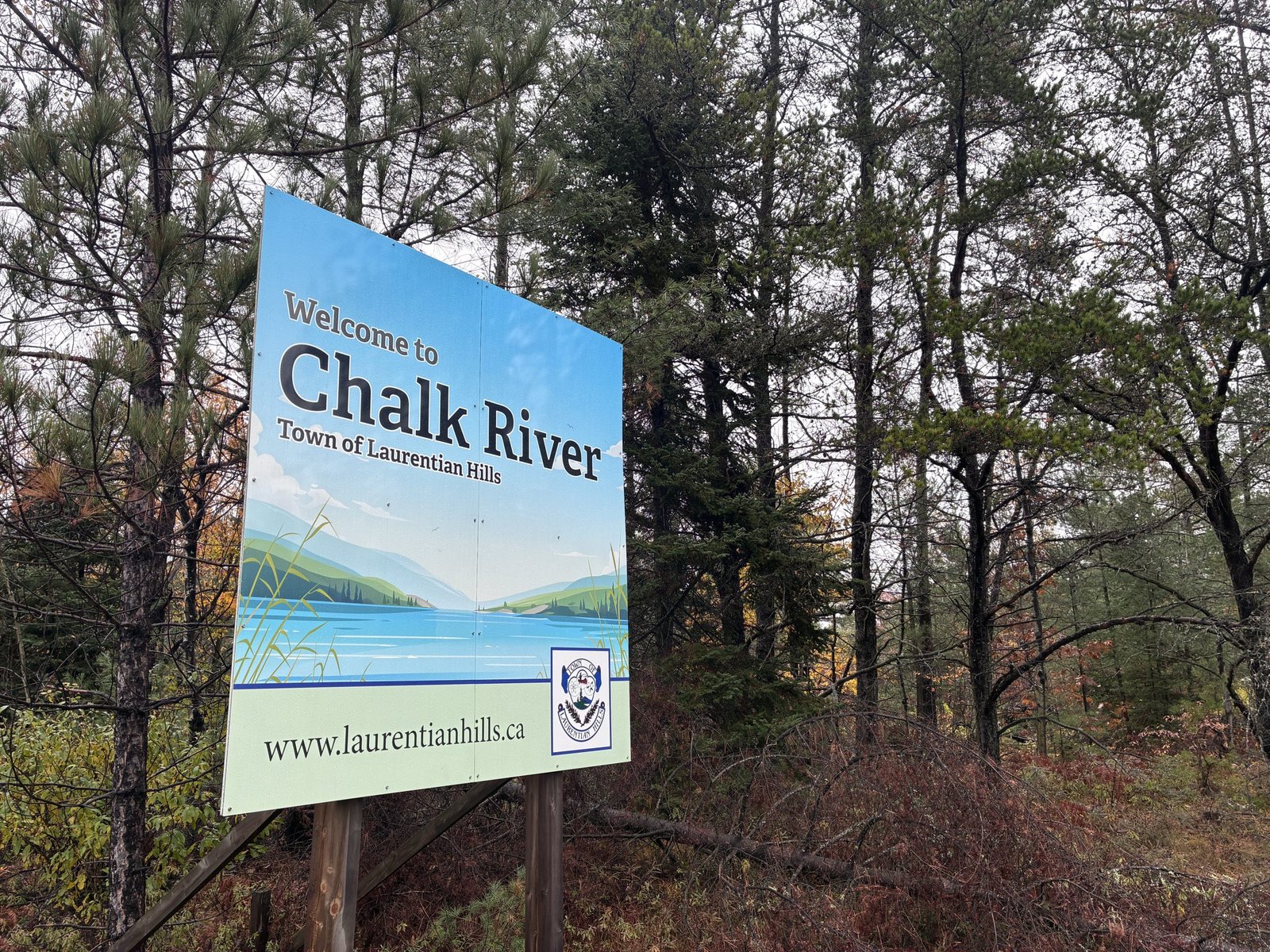
Court ruling favours Canadian Nuclear Laboratories over planned waste site near Kebaowek First Nation in Chalk River, Ont.
The Federal Court of Appeal has ruled that Canada’s nuclear regulator is not empowered to decide how to implement the UN Declaration on the Rights of Indigenous Peoples (UNDRIP), a decision that could have wide repercussions for major projects.
The case involves Canadian Nuclear Laboratories’ (CNL) planned waste site on the Ottawa river, near Kebaowek First Nation.
The project involves building a facility that would contain one million cubic tonnes of low-level radioactive waste from the CNL research facility and other sites.
That community asked for a judicial review of the nuclear regulator’s approval of the project, arguing the administrative body should ensure free, prior and informed consent, as defined in Canada’s UNDRIP law.
The lower court ruled in Kebaowek’s favour, asking CNL to renew the consultation process with a goal of meeting an enhanced standard ahead of the nuclear commission hearing slated for 2027.
But the decision from the appeal court released Friday overturns that.
The three justices agree with the nuclear regulator, who argued previously that is “a creature of the statute” that is “not empowered to determine how to implement UNDRIP in Canadian law.”
The justices find that the federal Indigenous rights law is written in a way that when there is an inconsistency between UNDRIP and Canadian law, UNDRIP does not prevail, but rather gives “rise to an obligation on the part of the Government of Canada to resolve the inconsistency in consultation and cooperation with Indigenous peoples.”
READ MORE: First Nation prepared to take federal UNDRIP case to the Supreme Court
The renewed consultation process between CNL and Kebaowek First Nation broke down in late September, with the community alleging the company had withdrawn from the process and withheld capacity funding.
Kebaowek Councillor Justin Roy told iPolitics he felt suspicious of the change in attitude from CNL just as both parties expected a ruling from the court of appeal.
He also suggested, earlier this year, that all were determined to take the case to the Supreme Court.
More to come…