dailynewsnblog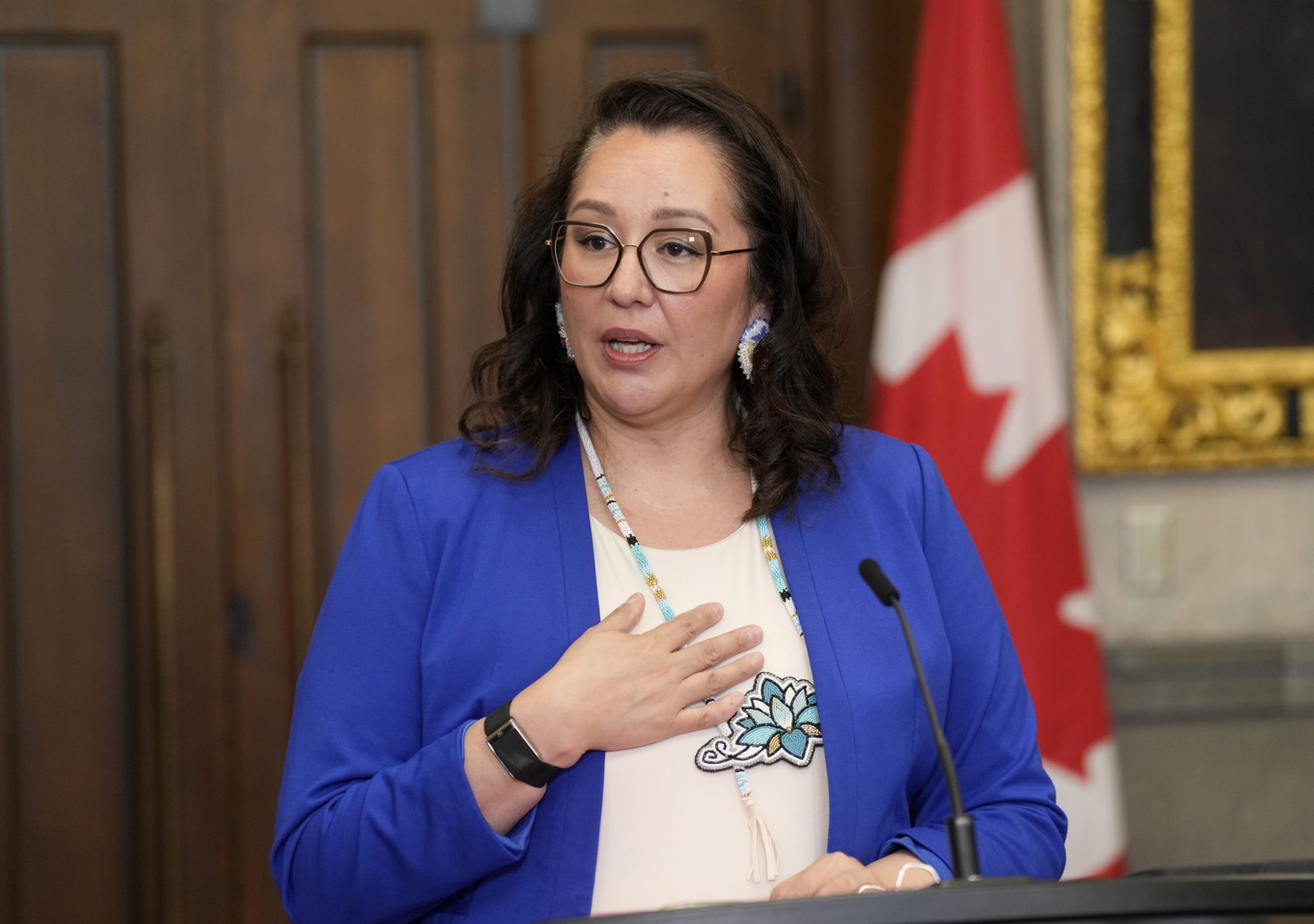
Bill C-37 returned to the House for second reading debate on Friday, and criticism focused on language requiring the government to make its best efforts to ensure First Nations communities had access to clean and safe drinking water.
Opposition parties are calling on the Liberals to make changes to the First Nations’ water bill to implement “binding” requirements for federal action.
MPs supported — on division — sending Bill C-37 to the Indigenous affairs committee after it returned to the House for second reading debate on Friday. Despite the show of support, the bill faced criticism for language requiring the government to only make best efforts to ensure First Nations communities had access to clean and safe drinking water.
Conservative MP Jeff Kibble called for the government to amend that section to replace that language with “binding, measurable duties,” as well as commit to firm timelines to remediate polluted waterways and “stable operating funding” for construction of new wastewater facilities.
He said he still wanted the bill to move to committee, and urged his colleagues to “collaborate and work to make it worthy of the people it serves.”
C-37 was introduced last spring, and came in direct response to a court settlement with First Nations. It immediately came under fire for changes from a previous iteration of the bill tabled in the last Parliament.
READ MORE: Ottawa softens water-rights language in First Nations bill to help it ‘stand the test of time’
That bill included a clause “recognizing and affirming that it is a human right of every individual on First Nations land to have access to clean and safe drinking water.”
It was included in the bill at the behest of the NDP, whose support the Liberals needed to remain in power. That section drew criticism from conservative governments in Alberta and Ontario that were concerned about the impact on development.
With the Liberals now armed with majority, the new bill only committed to the “progressive realization, for individuals on First Nation lands, of the human right to safe drinking water, as protected by the International Covenant on Economic, Social and Cultural Rights.”
Conservative MP Billy Morin said First Nations leaders have framed it as the “bare minimum” and slammed the bill as a “water-down version” of legislation from the last Parliament.
Indigenous Services Minister Mandy Gull-Masty denied the language was changed because of criticism from the provinces, but told reporters in June that she was “not trying to put a bill forward that’s going to be challenged.”
The Assembly of First Nations raised concerns about the section and that C-37 wasn’t developed in consultation with First Nations communities, while National Chief Cindy Woodhouse Nepinak has argued the bill represents a step backwards.
Despite the criticism, the AFN applauded sections enshrining funding commitments, mandatory requirements for the government, minimum national standards for water treatment, recognition of First Nations rights and jurisdiction over lands and waters, and the establishment of a First Nations-led water commission.
Speaking in the House on Friday, Gull-Masty defended the bill as the product of six years of work by First Nations and said it still enshrines the right to access safe and clean drinking water, but acknowledges communities facing logistical and infrastructure challenges.
“This gives the communities the opportunity to say where they want to start and present their situation,” she said.
“The government will work with them to establish a water system, infrastructure and a plan that can be shared with the members of each First Nation, each community, in a way that respects their circumstances.”