dailynewsnblog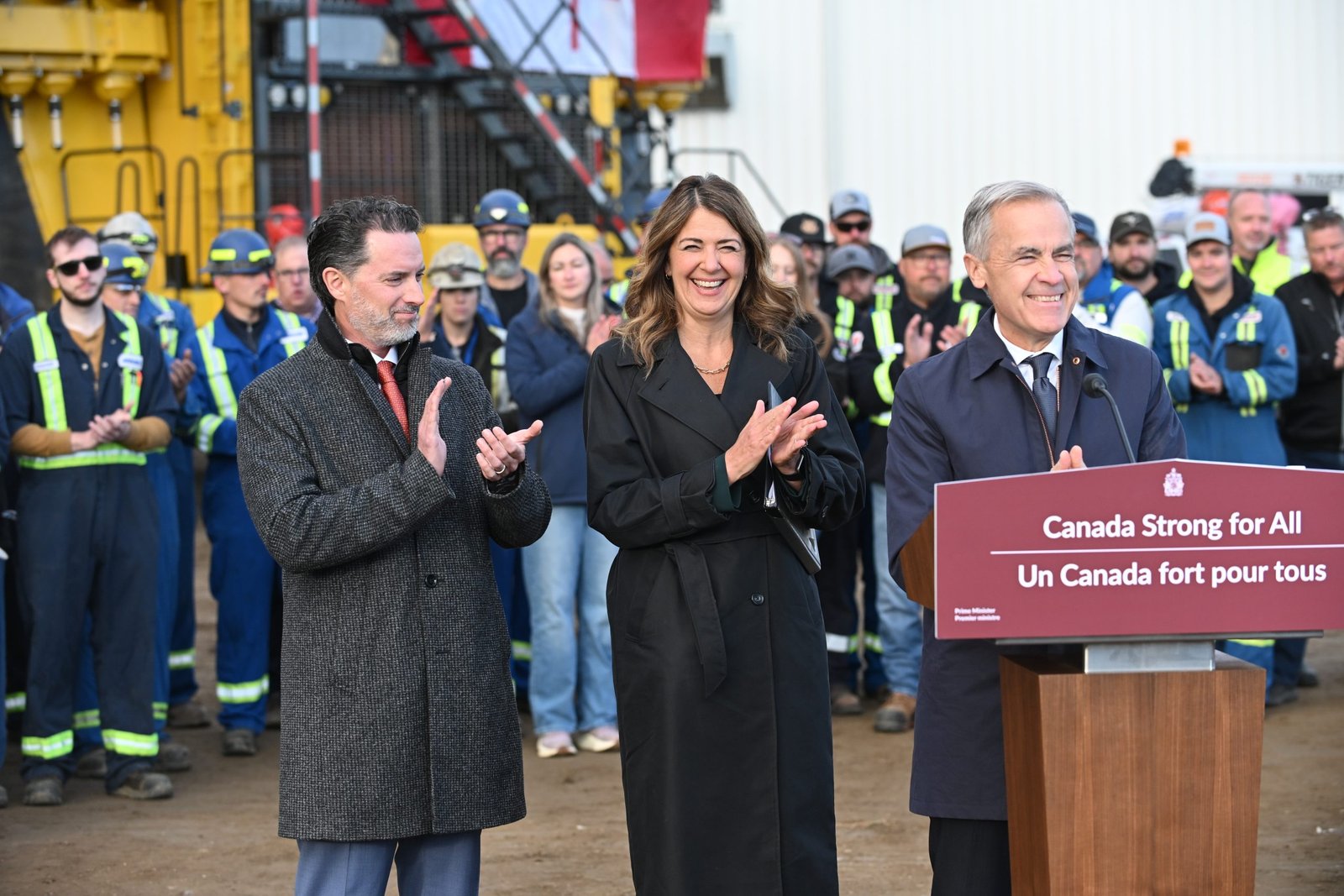
“They need to emphasize and understand where [Fort McKay] comes from, and that we have a role and responsibility of taking care of our membership, and our economy, our health, and all that,” he said.
The chief of a northern Alberta First Nation says he wants to hear more details before deciding on investing in the proposed Pacific Link pipeline.
Chief Raymond Powder of the Fort McKay First Nation was one of five members of the Athabasca Tribal Council that met with Prime Minister Mark Carney last week.
He credited the prime minister for meeting with the chiefs on the day before he joined Alberta Premier Danielle Smith to announce that the pipeline had been officially listed as a project of national importance. With the designation, the project was officially approved and the Major Projects Office given a year to develop a binding conditions list.
The federal and provincial governments said they would take a 45 per cent ownership stake apiece, while Pembina Pipelines would have the remaining 10 per cent.
Ottawa also said that it would set aside a 10 per cent equity stake for Indigenous communities, though Liberal MP Corey Hogan told iPolitics this is a “floor not a ceiling.”
In an interview on Friday, Powder said Fort McKay has its own investment criteria and the First Nations would use that as a guideline on whether to invest, though the details on the equity opportunity needs to be determined.
“The logistics and the details and the mathematics within the 10 per cent will still have to be identified as reasonable, or how it would be with receiving that number, because we still have to work out the details and all that,” he said.
“We still got some work to do with respect to that.”

READ MORE: Northern Alberta First Nations meet with Carney to discuss Pacific Link pipeline
Fort McKay has its own on-reserve oilsands project — known as 174C — and the proposed pipeline to the West Coast would likely generate increased production.
Powder said his community will intimately feel the impacts of any additional development as members still rely on the land for their livelihoods, noting that the First Nation commissioned health studies to get a better sense of what it will mean for the community.
He said those environmental and healths concerns must be addressed in talks with the feds and province, but called the pipeline a “positive thing” for the community because of its own oilsands project.
Powder added that he wants both governments to understand the First Nation’s unique perspectives on the pipeline and to make sure that’s reflected in what happens next.
“They need to emphasize and understand where [Fort McKay] comes from, and that we have a role and responsibility of taking care of our membership, and our economy, our health, and all that,” he said.
“I’m hoping that they can take the extra time — specifically the government of Alberta, the government of Canada — to really invest in ourselves and get to know who we are, and especially respecting that treaty because it’s a harmonious relationship.”