dailynewsnblog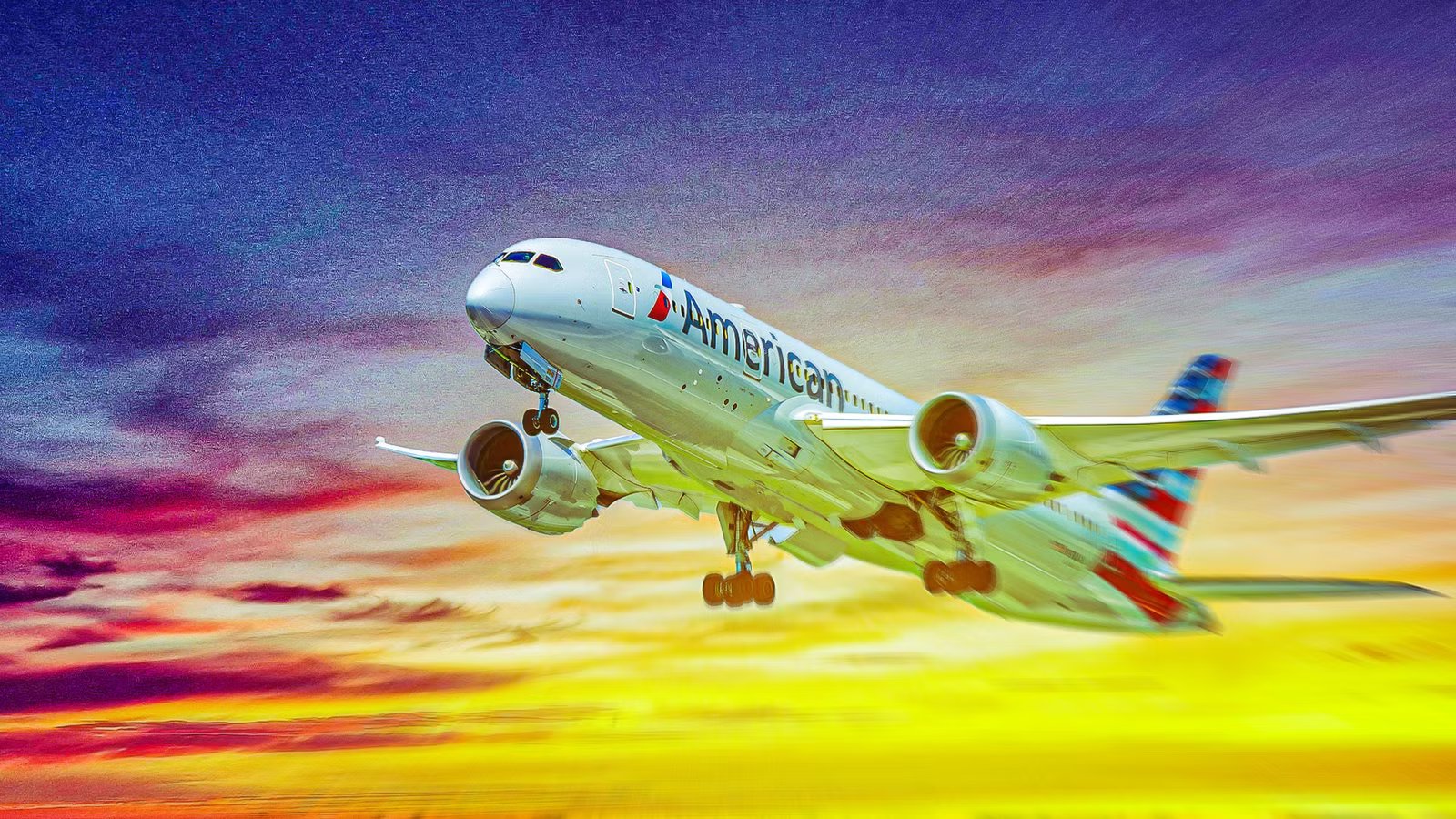
American Airlines has confirmed that it is expanding its Starlink WiFi offering to its entire mainline fleet of more than 1,000 aircraft, around a week after rumors of such plans began to surface. The move will enable the  oneworld founding member to offer its passengers more consistent inflight connectivity in the coming years. Previously, it had only committed to installing Starlink on around half of its fleet.
In just a few short years, inflight WiFi has gone from being a rare novelty to something that some passengers expect as standard, and Starlink’s fast and free connectivity has quickly emerged as one of the leading solutions on this front. With this in mind, it is not too much of a surprise to see that American’s Star Alliance rival United Airlines has made a similar commitment, whereas Delta has snubbed Starlink.
Consistent Connectivity

Back in May of this year, American Airlines made headlines by committing to install Starlink WiFi on more than 500 of its mainline aircraft, namely its narrowbody twinjets made by European manufacturing giant Airbus. Installations were set to begin in the first quarter of 2027. Now, however, while this start date has not changed, American has boosted its commitment by including its whole fleet in these plans.
The airline confirmed this in a statement that it released on Thursday, noting that “Starlink’s Performance Aero Terminal (…) can deliver speeds of up to 1 Gbps per terminal.” With the rollout now including Boeing narrowbodies and widebodies alongside Airbus narrowbodies as first planned, American is looking forward to offering more consistent connectivity. Heather Garboden, its Chief Customer Officer, said:
“Starlink will give our customers countless options to make the most of their time while traveling. Just as importantly, it provides the foundation for future innovations that will further enhance the customer experience.”
American Airlines’ Fleet Is One Of Considerable Scale

 American Airlines famously has one of the largest mainline airline fleets in the world, with more than 1,000 aircraft at its disposal. According to ch-aviation, its current total sits at 1,037, of which 984 are active and 53 are inactive. These aircraft are 12.6 years old, and the carrier currently has another 276 jets on order. As previously noted, around half of its current mainline jets are Airbus narrowbodies.
Starting out small, American has 132 A319s at its disposal, alongside 48 standard A320s and 218 stretched A321s. The A321neo is also playing an increasingly important role, with 86 units present alongside ten A321XLRs. The carrier also has more than 400 narrowbodies from Boeing in its fleet: 103 737 MAX 8s and 303 737-800s. Going forward, it also has outstanding orders for some 115 737 MAX 10s.
On the widebody side of things, American Airlines operates an all-Boeing fleet, with its capacity on this front split between the 777 and 787 Dreamliner families. Its oldest twin-aisle jets are its 47 777-200ERs (25.9 years on average), followed by its 20 777-300ERs (12.7 years on average), 37 787-8s (8.4 years on average), and 33 787-9s (6.5 years on average). American has orders for another 19 787-9s.
WiFi At American Airlines’ ‘Big Three’ Rivals

American Airlines’ achievements are often framed against those of its US ‘big three’ legacy rivals: SkyTeam’s  Delta Air Lines and Star Alliance’s
  United Airlines. With this in mind, it pays to examine the WiFi plans of these two carriers. United has made a similar Starlink commitment, and it is currently in the process of retrofitting more than 20 aircraft a week with a view to 1,000 installations by 2027.
The story at Delta Air Lines, however, is somewhat different. When it came to selecting the provider for the carrier’s next generation of inflight WiFi, the SkyTeam founding member opted for Amazon Leo instead. Starlink boss and outspoken entrepreneur Elon Musk seemed to take this as something of a personal attack, saying that flyers would shun Delta as a result. It remains to be seen how things pan out.