dailynewsnblog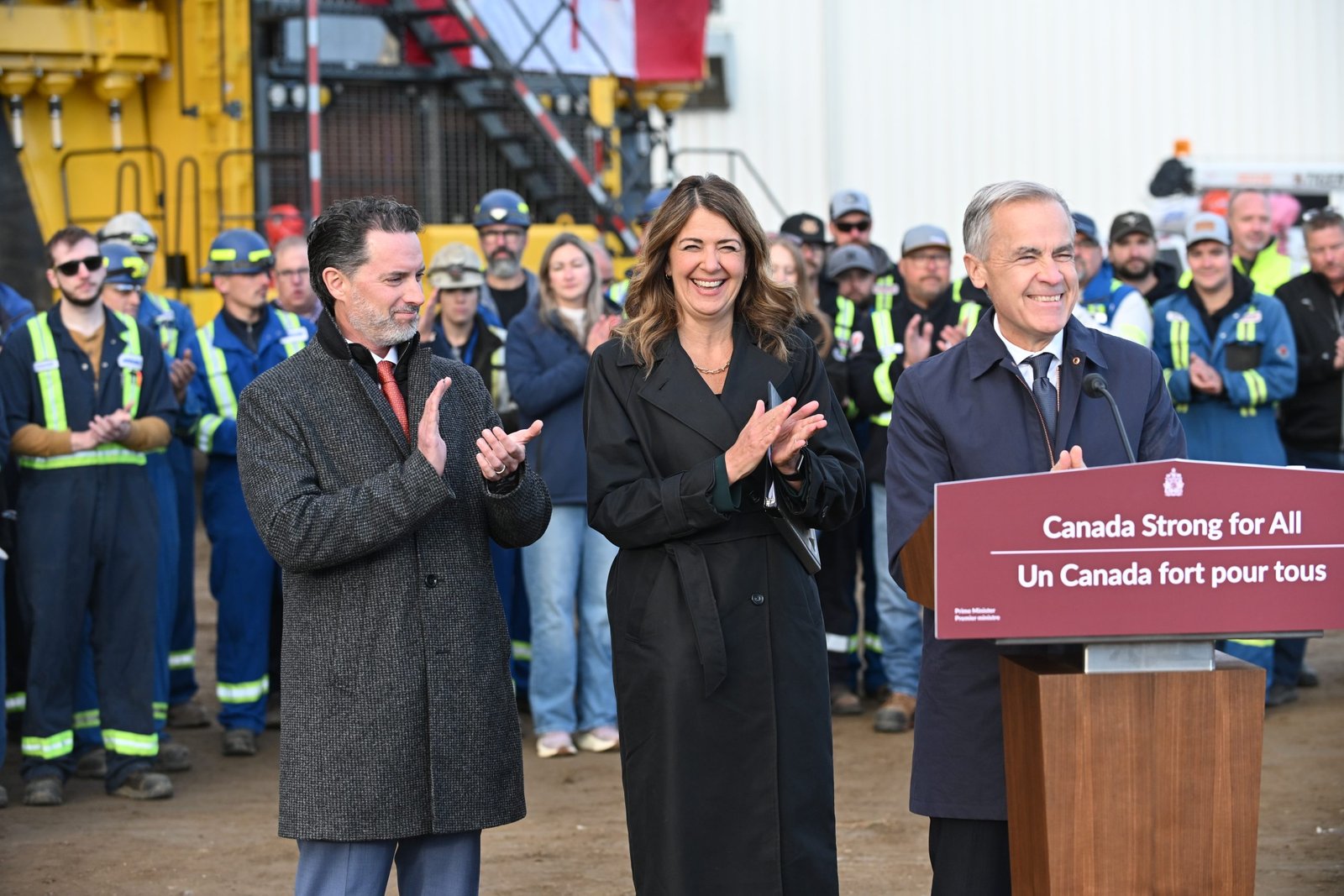
The members of the Athabasca Tribal Council said they used the opportunity to raise “significant environmental and human health concerns,” and Carney responded by noting the importance of environment regulations and the necessity of “future, ongoing consultation will support responsible co-development.”
Five First Nations chiefs in northern Alberta met with Prime Minister Mark Carney on Wednesday in advance of Ottawa designating the Pacific Link pipeline a project of national importance.
The members of the Athabasca Tribal Council (ATC) said they used the opportunity to raise “significant environmental and human health concerns,” and Carney responded by noting the importance of environment regulations and the necessity of “future, ongoing consultation will support responsible co-development,” according to a statement from the group.
“We started this meeting with serious concerns, but left encouraged. We are pleased the prime minister came to the table with a commitment to meaningful consultation and co-development,” Chief Allan Adam of Athabasca Chipewyan First Nation and president of the ATC said in a statement.
“This acknowledges our role as rightsholders and what’s at stake for our First Nations People and communities. The dialogue shows promise for the future ahead and mutual economic reconciliation. But make no mistake — we will work with the prime minister to ensure his commitments to the highest environmental regulations and the protection of our land and people are realized.”
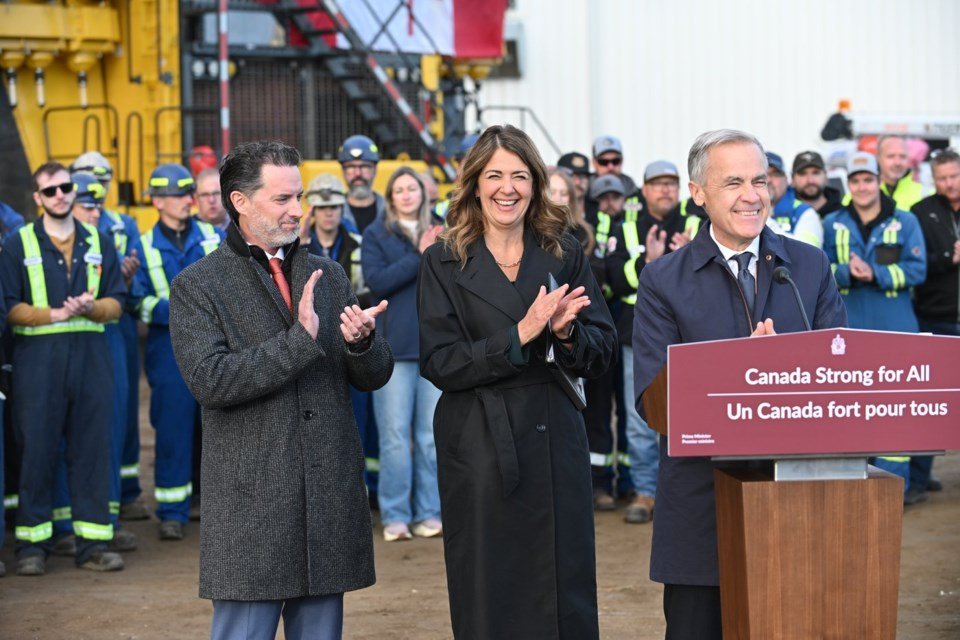
Carney was in Fort McMurray on Thursday to announce the designation, setting off a year deadline for the new Major Projects Office to develop a binding conditions document.
The Pacific Link pipeline is expected to carry 1 million barrels of oil a day from Alberta’s oilsands to the West Coast. The project is the first to go through the fast-tracked approval process created under sweeping regulatory powers introduced after the 2025 election.
As part of the announcement, Carney said Indigenous communities will have a 10 per cent ownership stake, while the Alberta and federal governments as well as Pembina Pipeline will own the remaining shares.
During their meeting, the ATC said Carney identify a number of important commitments as part of the project, including “providing equity ownership, co-developing environmental regulations and protecting the Athabasca River.” The group added that Carney assured the regional First Nations they will be included in the scope of equity, though the scope of the equity opportunity and revenue sharing was “tabled by the prime minister for further discussion.”
Liberal MP Corey Hogan told iPolitics that the 10 per cent equity share for Indigenous communities was a “floor not a ceiling.”
“What the prime minister said was at least 10 per cent indigenous ownership, and these things will evolve over time. And conversations are ongoing with a lot of parties right now, so I don’t want to get too far ahead of it,” he said in a phone interview on Thursday.
“We’ve got to talk about how we create these meaningful equity stakes in a way that indigenous communities want and that works for everybody and that that is true economic reconciliation, and that’s certainly top of mind.”