dailynewsnblog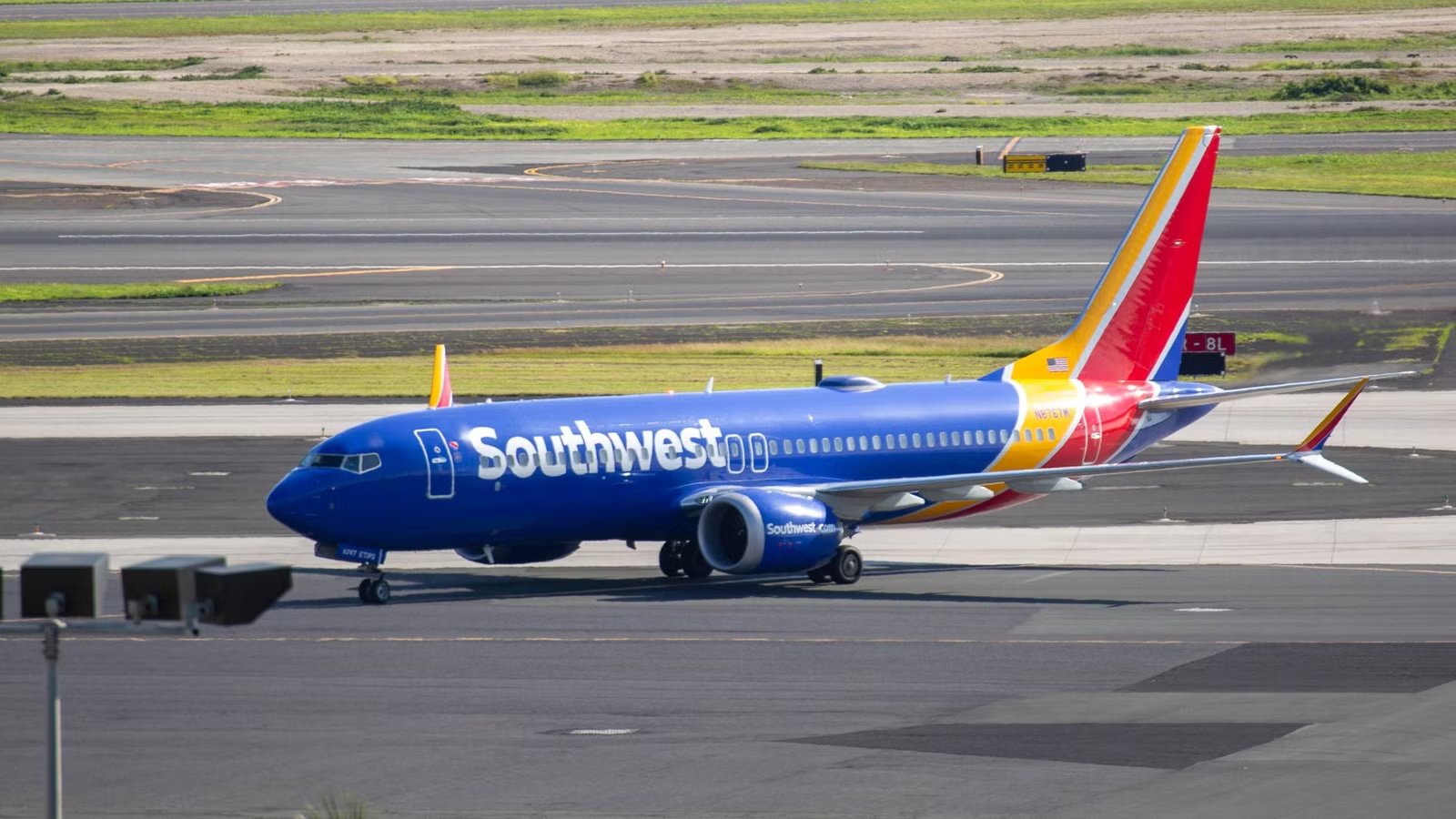
A  Southwest Airlines jet bound for Rochester International Airport (ROC) made an emergency return to
  Orlando International Airport (MCO) on Tuesday after striking a bird during departure. Flight 2821 landed safely, and an airport spokesperson said no injuries were reported, according to FOX 35 Orlando.
Southwest moved passengers to another aircraft to complete the trip to Rochester, New York. In a statement, the carrier said its pilots “followed procedure and landed the aircraft uneventfully” and commended the crew’s professionalism. Neither the airline nor the airport has disclosed whether the plane was damaged or whether the event is under investigation.
Why A Single Bird Can Send A Jet Back

Turning around after an early-flight collision is a routine precaution, not a sign of crisis. From the cockpit, a crew cannot see the engines, wing edges, or nose cone, so a ground inspection is the only dependable way to rule out hidden harm. Wildlife collisions can damage airframes, force aborted takeoffs or returns, delay passengers, and, rarely, kill people, according to an independent analysis of federal data published this year.
Altitude explains why these encounters cluster around departures and arrivals. The FAA reports that about 70% of strikes occur between ground level and 500 feet (152 meters), when aircraft are low, relatively slow, and close to runways. A problem on climb-out also means pilots within minutes of a staffed airport, often with mechanics and emergency crews, which makes returning the lowest-risk option.
Bird size shapes the outcome as well. FAA hazard rankings place white-tailed deer, snow geese, black vultures, and Canada geese among the species most likely to cause damage. A small songbird may leave little more than a smudge, while a large waterfowl can disable an engine.
A Southwest spokesperson confirmed the incident in a statement and explained that passengers were accomodated on replacement plane.
“The Pilots followed procedure and landed the aircraft uneventfully… Southwest accommodated our customers on another aircraft to Rochester. We appreciate the professionalism of our Pilots and Flight Crew in responding to the event. Nothing is more important to Southwest than the safety of its customers and employees.”
Reported Collisions Hit A Record

Tuesday’s incident arrives amid a sustained climb in reports nationwide. The FAA counted 24,447 strikes in 2025, a 9.3% increase over the 22,371 logged the previous year, and 870 US airports reported at least one. Roughly 97% of all wildlife strikes reported to the agency involve birds. Severe consequences remain uncommon relative to that volume. Since 1990, wildlife strikes with civil and military aircraft in the United States have killed 89 people and destroyed 128 aircraft. The most famous American case is US Airways flight 1549, which ditched in the Hudson River in January 2009 after a flock of birds struck it minutes after takeoff, though catastrophic events of that kind are infrequent.
The independent analysis also found that the share of reports labeled damaging has declined over decades, consistent with improved reporting of minor events, while the absolute number of damaging incidents still peaked in 2025. Calendar timing adds further context. From 1990 to 2025, 54% of bird strikes occurred between July and October, placing this flight within the busiest stretch of the year for such events.
Central Florida’s Wildlife Challenge

Orlando’s landscape increases exposure. MCO sits in an area of low-lying ponds and wetlands, and cattle egrets, a heron species that thrives in Central Florida’s humid climate, have posed a notable hazard there. A 2018 research report noted that most strikes at the airport involve birds nesting around airport land. Local figures have drawn attention before. A WFTV investigation found that over roughly 18 months, MCO reported 284 wildlife strikes, compared with 94 in Miami and 101 in Jacksonville.
To contain the risk, MCO maintains one of the few dedicated in-house wildlife teams among US airports. Crews use pyrotechnics and sound to push birds out of flight paths and relocate fish from nearby ponds to water farther from the runways, removing a food source. The team tracks and removes animals across the 21 square miles of airport property. Johnny Metcalf, the airport’s wildlife biologist, has argued that a high strike count can reflect a strong reporting program rather than an unusual bird problem, and most strikes reported at Florida airports cause no damage.
Events like Tuesday’s can be documented through FAA Form 5200-7, which pilots, airport staff, maintenance personnel, air traffic controllers, and wildlife biologists can submit. The resulting public database helps manufacturers evaluate aircraft components and helps airports identify hazardous species and nearby wildlife attractants.