dailynewsnblog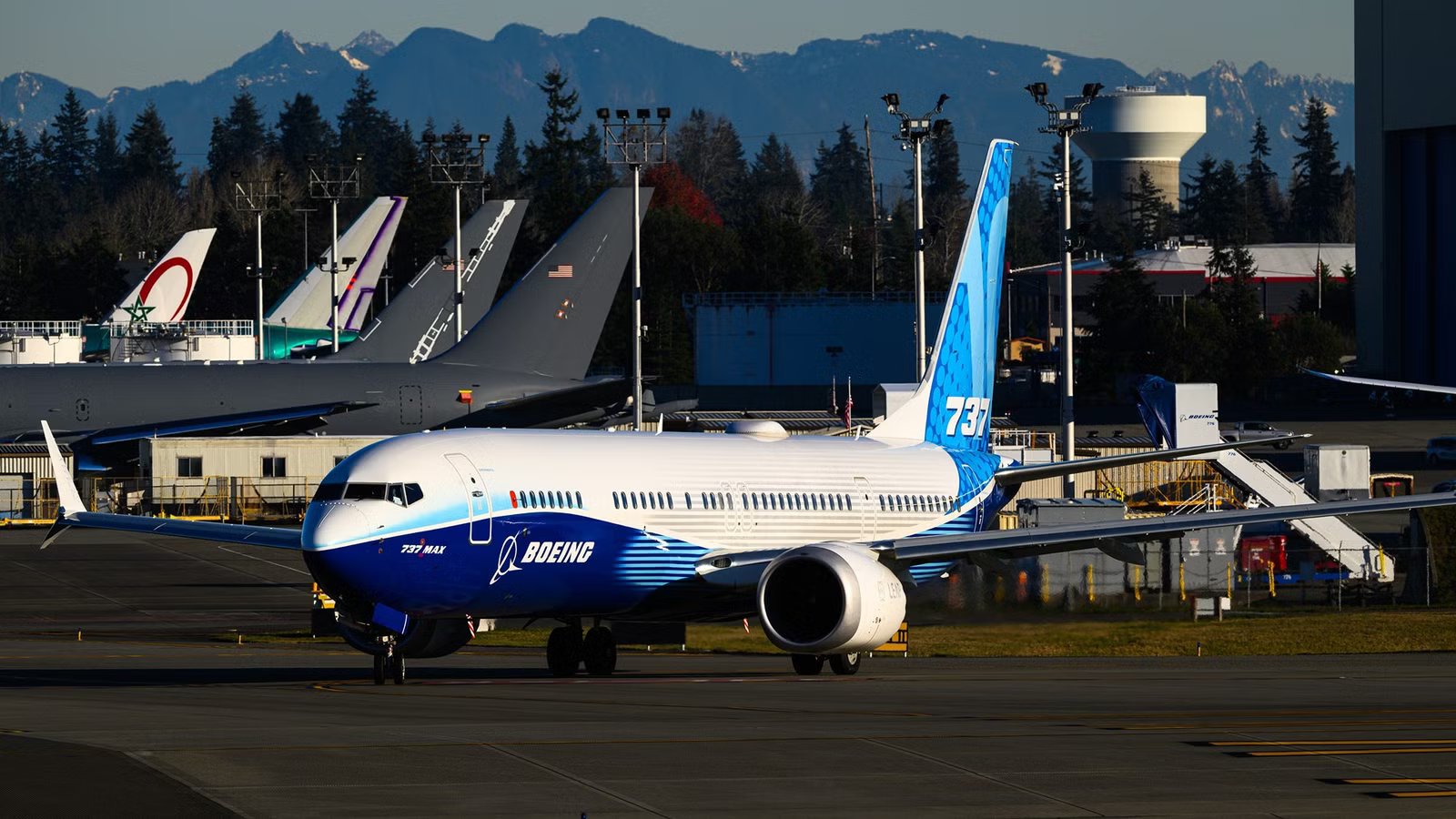
The impending certification of the long-awaited Boeing 737 MAX 10 could be delayed, following the assessment that a potential software problem has come to light. The Federal Aviation Administration ( FAA) is currently assessing whether this poses a wider safety issue, which means another setback for the American plane maker.
Boeing had hoped that the MAX 10 would receive certification for the largest type of the MAX family of planes this month. The plane maker’s Chief Executive Officer, Kelly Ortberg, had told investors earlier this month that Boeing had hoped for the ‘green light’ on the variant very soon.
The Federal Aviation Administration Noted A Software Issue Will Delay The Certification Of The 737 MAX 10

To date, the administration has yet to determine whether the software issue affects the safety of flight and, as a result, is going to delay the certification of the MAX 10 until the agency is satisfied that there is not a wider issue. Bryan Bedford, the FAA Administrator, confirmed this at a press conference in Washington, D.C., on Monday, as reported by CNBC.
Safety will continue to dictate the certification timeline for the MAX 10; the agency confirmed the process will take as much time as required to investigate the software glitch.
Following these comments from Bedford, Boeing’s shares dropped around 7%, as the American plane maker faces another delay on what has been a tumultuous journey for the aircraft.
Software Issues Affecting The Vertical Navigation System

Over the past weekend, details came to light that Boeing had known for two years about a potential software issue on select MAX aircraft. This is where the vertical navigation system may interfere when an aircraft misses an approach and is forced to complete a go-around. This is a common occurrence when there are runway incursions. While pilots are trained to operate the aircraft without this software, the concern is now focused on whether this would maintain a suitable workload for the crew.
Pilots will remain in control of the aircraft during all types of scenarios, and it only affects the U.14 version of the software. The MAX 7, which was certified last month, is the latest type of aircraft that has the software, which the FAA is closely investigating. There are no confirmed US carriers with this software; however, Boeing is working with carriers Southwest and United to work through any other concerns.
Bedford confirmed that  Boeing had fixed previous bugs in the system, however the new issue will require airlines with the newer software to revert to older software until the issue is resolved.
Another Setback For Boeing With Software Issues Affecting The Certification Of The Largest MAX Variant

It’s no secret that the MAX family of planes has encountered years of setbacks, and Boeing has been trying to move on from years of safety crises with the type. The MAX 8 was involved in two deadly crashes in 2018 (Lion Air) and 2019 (Ethiopian Airlines), where all occupants onboard were killed when both aircraft unexpectedly crashed. Both of these crashes involved the flight control systems of these aircraft and, as a result, forced the global grounding of the type while the root causes were investigated.
Boeing had been planning to deliver the first of the MAX 10 to customers in 2020, but this was put on the back burner after safety concerns resulted in ongoing delays to the plane. The MAX 10 is the final of the MAX family of aircraft to be certified, with a list of customers including major customers such as Alaska Airlines, United Airlines, Delta Air Lines, WestJet, Pegasus Airlines, and Ryanair, all ordering more than 100 of the type. The table below highlights the major orders for the variant with details from Simple Flying:
Airline | Country | Number Ordered (More Than 100) |
|---|---|---|
Alaska Airlines | United States | Up to 168 aircraft |
United Airlines | United States | 165 |
Ryanair | Ireland | 131 |
WestJet | Canada | 107 |
Delta Air Lines | United States | 100 |
Pegasus Airlines | Turkey | 100 |
The software issue only affects in-service MAX 8 and MAX 9 aircraft that have the affected software version in their fleets.