dailynewsnblog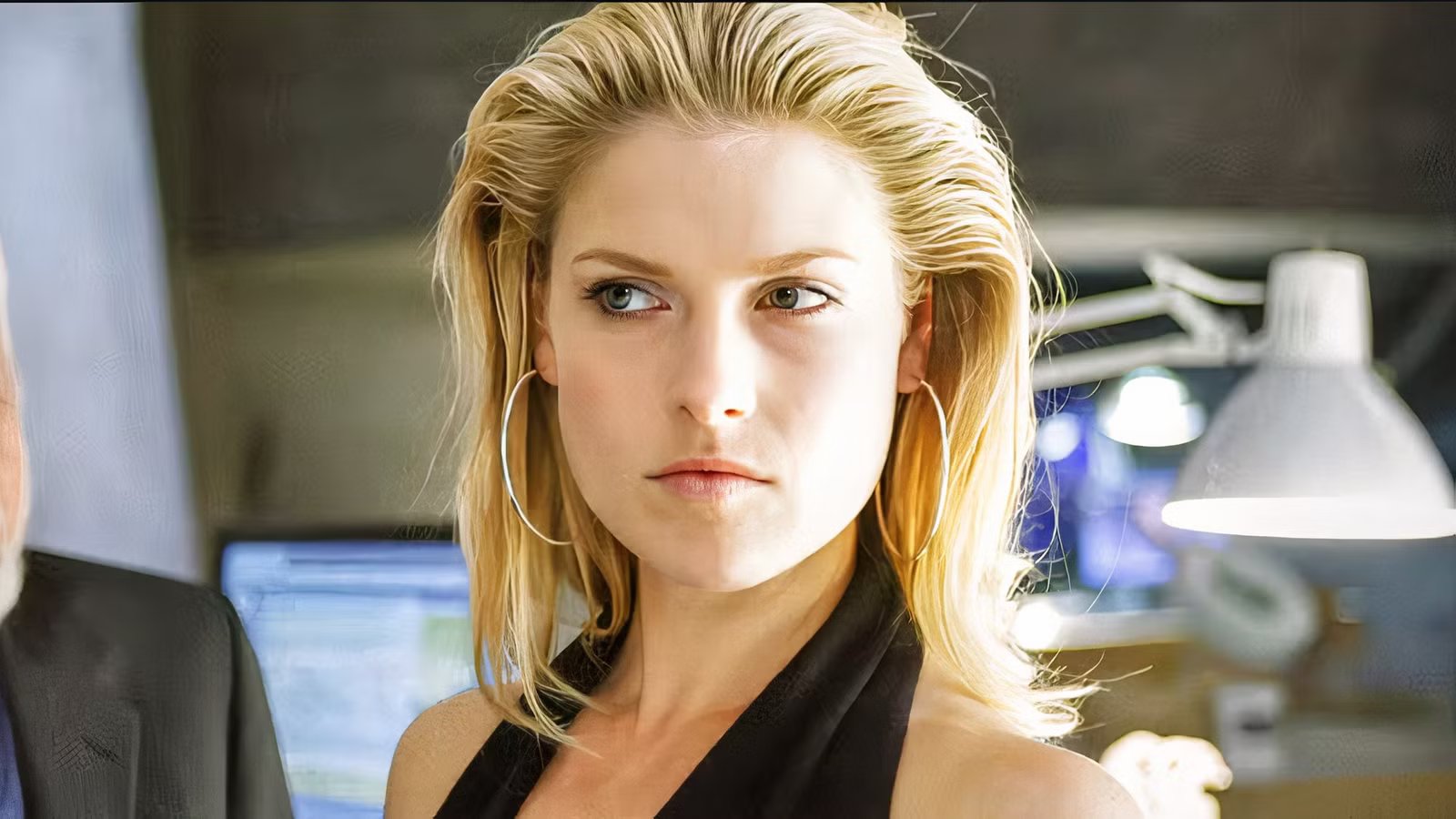
Superhero television used to be way weirder. Before Marvel and DC’s blockbuster cinematic universes streamlined the cape-and-cowl blueprint, TV was a wild west for superpower narratives rooted in human drama rather than comic book lore. The 4400 treated sudden gifts as a sprawling sci-fi mystery, while Syfy’s Alphas reinterpreted abilities as complex neurological conditions with severe real-world trade-offs. Even modern juggernauts like The Boys thrive on this subversive DNA, turning superpowered individuals into cynical corporate commodities and uncontrollable liability risks.
One of the best examples of a show that trades comic book campiness for grounded human storytelling is undoubtedly Heroes. Premiering on NBC in September 2006, Tim Kring’s TV series arrived right as the modern superhero boom was taking shape. Yet Heroes stood on its own ambitious terms. The story focuses on an ensemble cast of relatively ordinary people, from a wide-eyed Japanese office worker to a tormented painter in New York, as the sudden manifestation of unexplainable abilities slowly alters their lives. As the series progresses, their seemingly disparate stories inevitably collide in the shadow of an apocalyptic threat.
Heroes is a shining example of how a superhero story could be used to ponder fascinating concepts on the psychological and emotional fallout of being extraordinary in an unready world. Occasionally, it almost felt like it was inventing its own rules on a week-to-week basis. Now that it’s free to stream on Pluto TV, Heroes remains a snapshot of a time when the genre was still unpredictable, deeply human, and willing to take massive narrative swings.

Take Hiro Nakamura (Masi Oka), who remains one of the show’s most memorable characters (and my personal favorite). He’s not introduced as a traditional superhero. Instead, Hiro is an enthusiastic Japanese office worker who discovers he can bend time and space at will, and his reaction to that discovery is basically pure joy. Watching him teleport, accidentally alter events, and eventually wrestle with the consequences of time travel gives Heroes a wonderfully strange flavor. His trip to 1977 and the increasingly complicated attempts to change the future are some of the show’s most entertaining material, particularly because Hiro’s optimism is often running headfirst into just how dangerous his abilities can be.
Mirroring the subversive nature of its mundane characters, Heroes also reinterprets some of the genre’s most popular powers in surprising ways. Peter Petrelli (Milo Ventimiglia) unconsciously copies the powers of those around him, Emma Coolidge (Deanne Bray) visualizes sound and manipulates sonic frequencies physically, Ted Sprague (Matthew John Armstrong) generates intense radiation through emotional stress, Niki Sanders (Ali Larter) wrestles with a violent alter ego that manifests lethal super-strength, and high school cheerleader Claire Bennet (Hayden Panettiere) possesses rapid cellular regeneration that almost instantly heals her following lethal trauma. Panettiere’s Claire is particularly compelling because Heroes refuses to treat her healing factor as a slick power-fantasy. The infamous early scenes showing the grisly limits of her immortality — most notoriously the horrifying moment she casually resets her own snapped neck — immediately establish that these gifts can be as disturbing and visceral as they are awe-inspiring.

Then there’s Sylar (Zachary Quinto), whose innate ability to “understand how things work” becomes one of Heroes‘ most terrifying concepts. Driven by an insatiable curiosity, his obsession with collecting powers turns the superhero premise into a full-blown psychological thriller. Sylar turns superhuman abilities into a biological puzzle to be violently dismantled. The scenes involving his victims are genuinely horrifying, as he literally slices their skulls open to study the physical mechanics of their gifts. By framing his villainy as a twisted form of intellectual hunger rather than a standard quest for world domination, the series establishes Sylar as arguably one of the greatest and most unsettling antagonists in superhero history.
Heroes is elevated most by this friction between supernatural phenomena and deeply flawed but ordinary people. It was a show entirely ahead of its time, stripping away the shiny spandex of the genre to ask what actual humans would do if handed the power of gods. As series creator Tim Kring once explained, the core appeal was rooted in taking characters who were “not just anonymous, but hyper-anonymous,” and colliding them with the impossible. “The idea that extraordinary things could happen in their lives. I hadn’t seen that on television yet,” Kring noted in an interview with Inverse. It’s precisely why Heroes remains one of the best non-comic book superhero stories ever put on TV, as Kring recognized that powers are only as fascinating as the fragile and complicated people wielding them.
Heroes was ahead of it’s time

Looking back on Heroes today is particularly interesting. From Lanterns to Wonder Man, there’s no shortage of deeply human storytelling in comic book productions these days. Back in 2006, it felt totally out of left field. (A superhero show masked as a pseudo-high-school melodrama?!) Although the series wanders and takes some bizarre turns, occasionally even going completely off the rails in its later seasons, Heroes always stayed true to itself.
Heroes was never interested in making superheroes feel ordinary. It was interested in making the people who became them feel real, and that human approach still gives the series a personality that few modern superhero stories can replicate.
Heroes is streaming on Tubi