dailynewsnblog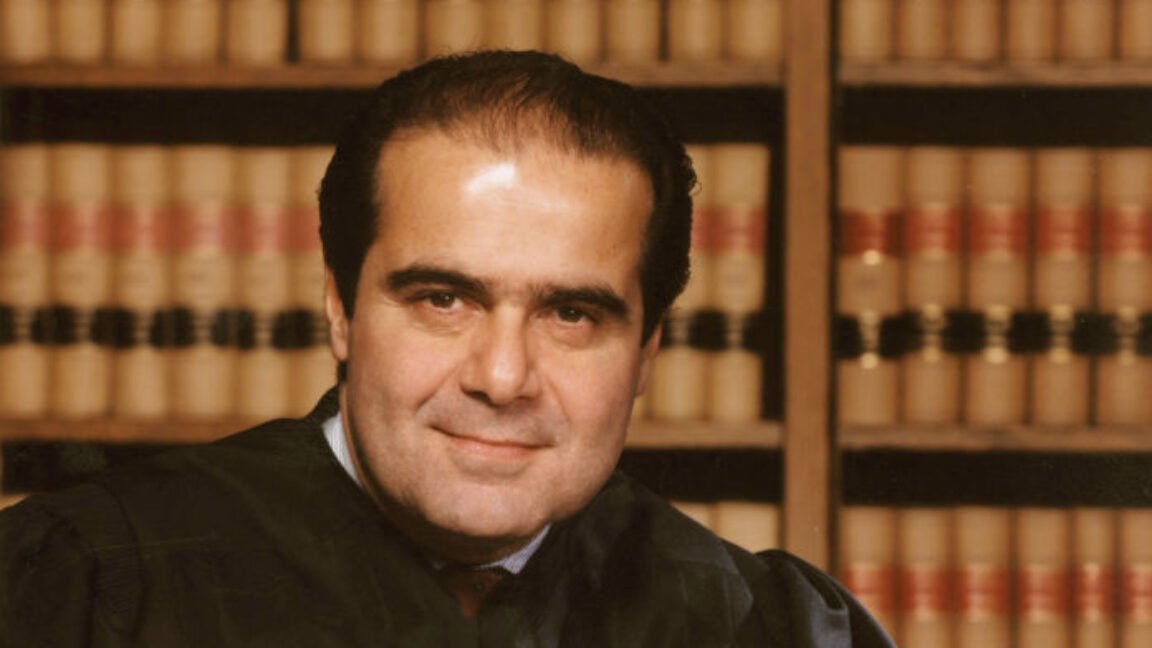
“Under the dissent’s interpretation of the Act, a developer could drain a pond, knowing that the act would extinguish an endangered species of turtles, without even proposing a conservation plan or applying for a permit,” unless the developer was “motivated by a desire ‘to get at a turtle,’” Stevens wrote.
The Trump administration is already facing lawsuits, including one from a coalition of 21 attorneys general over changes to the ESA, so it’s unclear if the Scalia dissent’s lens on the ESA will ever be widely adopted by wildlife officials previously dedicated to protecting all vulnerable animals.
A spokesperson for the FWS defended the changes to Inside Climate News, saying that “these lawsuits seek to preserve a decades-old regulatory overreach that expanded the Endangered Species Act beyond the authority granted by Congress. The Department will vigorously defend its authority to implement the law according to its plain text.”
A spokesperson for the Interior Department told NYT that the ESA “continues to prohibit take of endangered wildlife, including actions that harass, pursue, hunt, shoot, wound, kill, trap, capture or collect listed wildlife, or attempts to do so.”
At least some environmental legal experts seem confident that this dispute over the ESA isn’t about who has the authority to interpret the statute, though. Rather, it’s about what the statute says, and in 1995, the court found that simply knowing that a protected species could be injured or killed when taking an action was enough to violate the ESA.
Andrew Mergen, a law professor at Harvard University who previously supervised ESA legislation for the Department of Justice, told the NYT that the FWS memo’s directive “is really an assault on the act like we’ve never seen before.”
“What the administration is proposing to do is take all of the force out of what we have all understood the act to mean: Don’t kill endangered species,” Mergen said. “What they seem to be saying in this document is ‘it doesn’t matter if you killed an endangered species if you didn’t mean to.’”
Parenteau, the Vermont law professor, told the Times that he expects FWS will struggle to defend the policy.
“To say that the law is settled in favor of Scalia’s dissent?” Parenteau said. “Absolutely not.”